Heat-Related Deaths in America: An Extensive Analysis
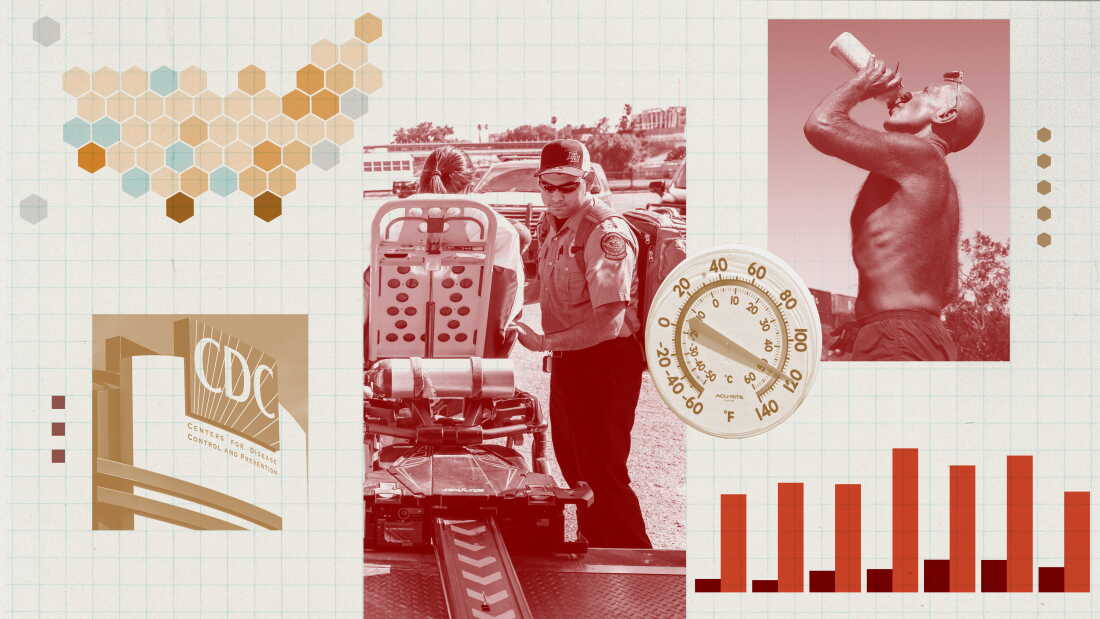
Thousands of Americans die each year from heat-related causes, a concern often overlooked. NPR, in collaboration with Boston University, conducted a thorough investigation to estimate the true number of deaths influenced by heat in the United States. The analysis, spanning two years, involved detailed statistical modeling across nearly all U.S. counties.
The Underreported Danger of Heat
The official count of heat-related deaths in the United States is often underestimated. According to the Centers for Disease Control and Prevention (CDC), the annual figure between 2004 and 2018 averaged around 700. More recent numbers range between 1,700 and 2,000 deaths annually, reflecting evolving counting strategies. However, NPR and Boston University’s analysis suggests that the real figure between 2018 and 2025 is closer to 9,000 annually, and in some years, it can exceed 10,000.
Factors Contributing to the Undercount
Heat is often masked behind other causes of death, such as heart attacks, which can be triggered by extreme temperatures. Doctor and researcher Sameed Khatana notes that heat can silently push existing conditions to fatal levels, making it a ‘silent killer.’ Accurate identification of heat’s role in such deaths is often lacking, resulting in significant underreporting.
Growing Risks Nationwide
The dangers of heat are intensifying due to climate change. Heat waves are lasting longer and occurring more frequently, affecting millions. Even regions not historically associated with heat face increasing risks. In Michigan, for example, heat-related deaths are ten times higher than official reports suggest, while in Florida, the discrepancy is even more substantial.
Improved Counting Methods
Some areas have developed advanced methods for identifying heat-related fatalities. Maricopa County, Arizona, employs ‘death investigators’ to consider various factors such as air conditioning status, medication use, and socioeconomic factors. However, consistent methodologies across the country are needed to address the undercount comprehensively.
Implications for Public Health
The undercounting of heat-related deaths has serious implications for public health policy. Recognizing the true impact of heat is essential for developing strategies to reduce fatalities and improve preparedness. Without accurate data, efforts to protect vulnerable populations remain insufficient.
NPR’s investigation is supported by a Nova Institute for Health Media Fellowship and the Dennis A. Hunt Fund for Health Journalism. The ongoing coverage will explore why heat-related deaths are overlooked and how measures can be implemented to safeguard lives.
Data Sources and Methodology
NPR and Boston University analyzed weekly all-cause mortality from 2018 through 2025 across 530 U.S. counties, representing 73% of the population. Temperature data were sourced from ERA5-Land, providing a fine-scale understanding of heat conditions. Various statistical methods were used to estimate mortalities connected to heat exposure.