Heightened Climate Change Risks Spark Growing Concerns
American author Kim Stanley Robinson paints a stark image in his novel “The Ministry for the Future.” It begins with a deadly heatwave in India that results in 20 million fatalities. This tragedy propels global unity against climate change. Previously seen as fiction, such scenarios are now discussed as potential realities. Scientists have long warned of intensified extreme weather events like heatwaves, storms, and floods.
Discussing the possibility of major weather catastrophes can be controversial. Daniel Swain, a climate scientist at the California Institute for Water Resources, highlights the risks of dismissing warnings, citing the “Boy Who Cried Wolf” effect. He emphasizes the need to stay informed about real threats.
For over 150 years, scientists have flagged rising risks associated with using fossil fuels. Eunice Newton Foote, an early scientist, experimented in the 1850s with glass cylinders and gases. Her work revealed that carbon dioxide, a byproduct of burning coal, gas, and oil, traps heat, illustrating its warming effect on Earth.
The outcome has been an ongoing increase in global temperature, making extreme weather events more frequent and intense. By 2025, global temperatures will have risen by 1.44 degrees Celsius since the early 1800s. The United States has been the largest emitter of greenhouse gases, yet major efforts to address the issue remain lacking. President Donald Trump labeled climate action as a hoax.
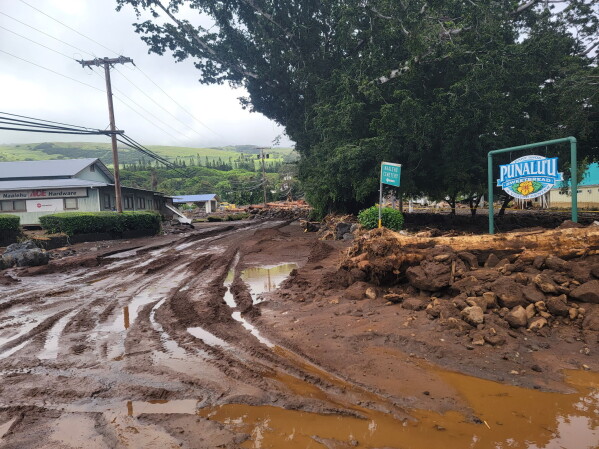
Extreme weather events are not projections but current realities. Pakistan’s 2022 floods, Australia’s 2019–2020 wildfires, and multiple hurricanes in the United States illustrate the severity of the issue. Even if net-zero emissions are achieved, due to the greenhouse gases’ long atmospheric presence, reversing the damage will take centuries.
Scientists, including Sarah Perkins-Kirkpatrick from the Australian National University, stress the importance of recognizing these ongoing challenges. She points out the need to notice changes in climate to prevent complacency.
No country is prepared for a major climate disaster. Wildfires and other catastrophic events continue to pose significant risks. Robinson’s fictional scenario is more plausible given today’s context. He believes his book still serves as a necessary warning.
Confronting climate change isn’t appealing for many, a concept termed by Swiss climatologist Sonia Seneviratne as akin to smoking risks leading to cancer. Disasters cannot be precisely timed, yet as models improve, the warning periods may shorten.
An earthquake in California is unrelated to climate change, yet proactive preparation showcases the potential for climate action. Seismologist Lucy Jones contributed to California’s earthquake readiness, demonstrating how proactive measures can foster change.
Movies often tackle extreme weather events, offering either hopeful or grim resolutions. In “The Day After Tomorrow,” global efforts fail to prevent drastic change, whereas in “Don’t Look Up,” neglect leads to catastrophe. Both movies reflect real concerns, though less extreme outcomes are possible.
The science of climate change points to inevitable events. Human activities since the industrial era have accelerated greenhouse gas emissions, affecting global weather and ecosystems. Unpredictable yet inevitable climate events cannot be overlooked.
Shifts in climate tipping points, like coral reef deterioration, are no longer abstract. The Amazon rainforest faces similar threats, with human activities pushing it toward a potential irreversible tipping point. El Niño patterns may exacerbate these issues, indicating a pressing need for awareness and action.
Global discourse must explore worst-case scenarios to prepare effectively. University of Exeter’s Tim Lenton advocates for dialogues about potential shocks as part of climate change discussions. Understanding these possibilities can prepare societies for impending challenges.
AP’s commitment to accurate climate and environmental reporting, supported by private foundations, aims to deliver reliable information. The content remains solely under AP’s responsibility.