Helping Special Education Students Thrive with Tailored Supplies
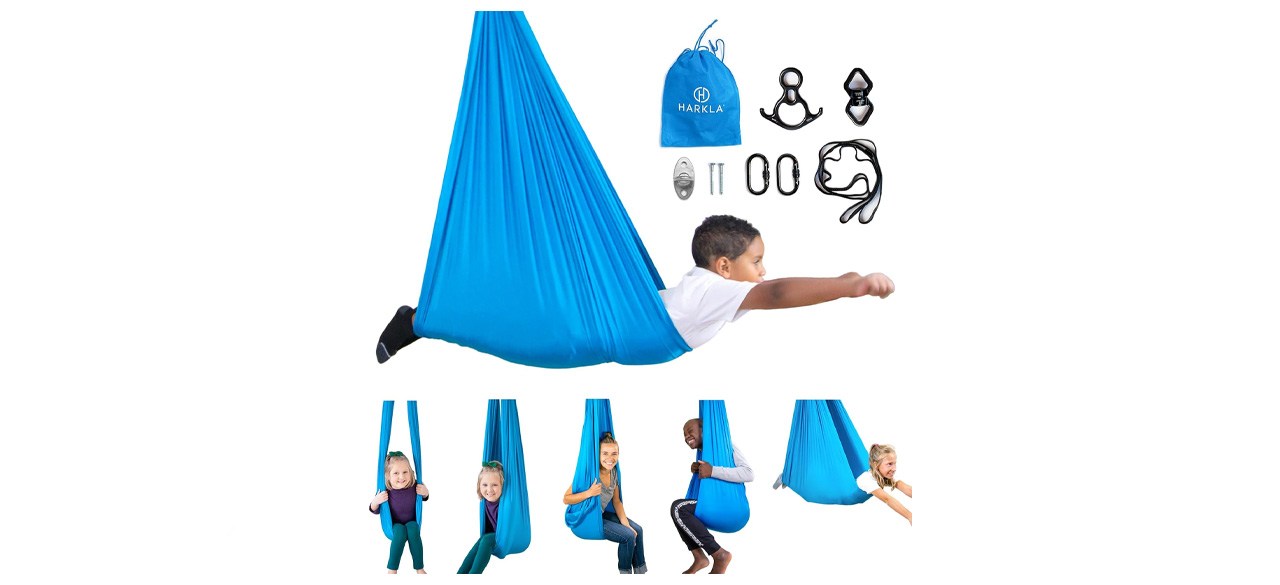
Supporting special education students in classrooms requires a customized approach that addresses their specific needs. Many parents, teachers, and therapists choose special education supplies to aid in this process. Fortunately, various supplies are available, ranging from adaptive pencil grips to visual planners. These tools help create a more accommodating learning environment. For example, swaddle swings provide a sense of security to help kids manage anxiety. Fidget toys assist children with ADHD by keeping their hands occupied, improving focus during lessons.
To help you understand special education school supplies better, we present this guide. It includes an overview of popular categories and shares a few top choices.
Understanding Special Education School Supplies
Fine Motor and Gross Motor Skills
Fine motor skills involve small muscles in hands and fingers, essential for holding and manipulating items. Children with special needs benefit from tools like jigsaw puzzles, art sets, and modeling dough to develop these skills. Gross motor skills pertain to larger muscles responsible for actions like walking or kicking. Balance boards, ride-on toys, and balls help improve muscle control and coordination.
Sensory Integration
Sensory integration necessities involve positive sensory experiences in calm environments. Products like snuggle wraps, swaddle swings, weighted blankets, and headphones offer such experiences, reducing overwhelm.
Language Development
Children with language development needs require tools that support their communication skills. Visual aids like conversation flipbooks, whiteboards, flashcards, and emoji tools help them express themselves beyond verbal communication.
Behavioral Needs
For behavioral needs, supplies should focus on enhancing self-esteem and self-control. Popular options include pocket charts, reward boards, facial expression posters, and reminder bracelets that assist in behavior management.
Cost of Special Education School Supplies
The price of special education supplies varies. Simple items, like pencil grips or sensory squishies, are generally under $10. Larger items, such as balance boards or flashcard sets, range from $12 to $50. More expensive supplies, like swaddle swings or deluxe fidget toy sets, cost between $50 to $150. The highest-priced items, such as interactive whiteboards or tablets, can be $300 to $1,000.
Popular Supplies for Older Students
Middle and high school students benefit from voice or audio recorders, allowing them to revisit lectures and lessons at their own pace. Tablets are advantageous for their wide range of adaptive learning apps.
Building the Right Supply Set
Creating a suitable set of special education supplies is an ongoing process. Many teachers regularly add new products. Joining online special education forums and following educational toy companies on social media help teachers stay updated with new products.
Top Special Education Supplies to Consider
Harkla Sensory Swing for Kids & Adults
Offers comfort and a sense of security through therapeutic cuddling.
Pros: Made from flexible material that lets kids find a comfortable position. Combines swinging design and compression for vestibular input and calming effects. Beneficial for exercise, motor control, and anxiety management.
Considerations: Some users report stitching issues.
Show to Tell Communication Cards
This 24-card flipbook assists kids in communicating simple phrases with clarity through text and images.
Pros: Easy for kids to flip through and locate the right phrase. Text and images are clear. Useful in various social settings. Helps kids express themselves and set boundaries.
Considerations: Some found them unsuitable for younger children like kindergartners.
Teacher Created Resources Fidget Box
Includes a variety of textured toys to keep hands occupied.
Pros: Contains several quiet fidget toys, such as spiky rings, stretchy noodles, squishies, and a ball with round bumps. Quiet design prevents distractions. Pocket-sized for easy portability. Helps relieve anxiety and enhance focus.
Considerations: Toys are smaller in size, which may not be ideal for all users.