Hidden Camera Incident Raises Safety Concerns at Tokyo Hotel
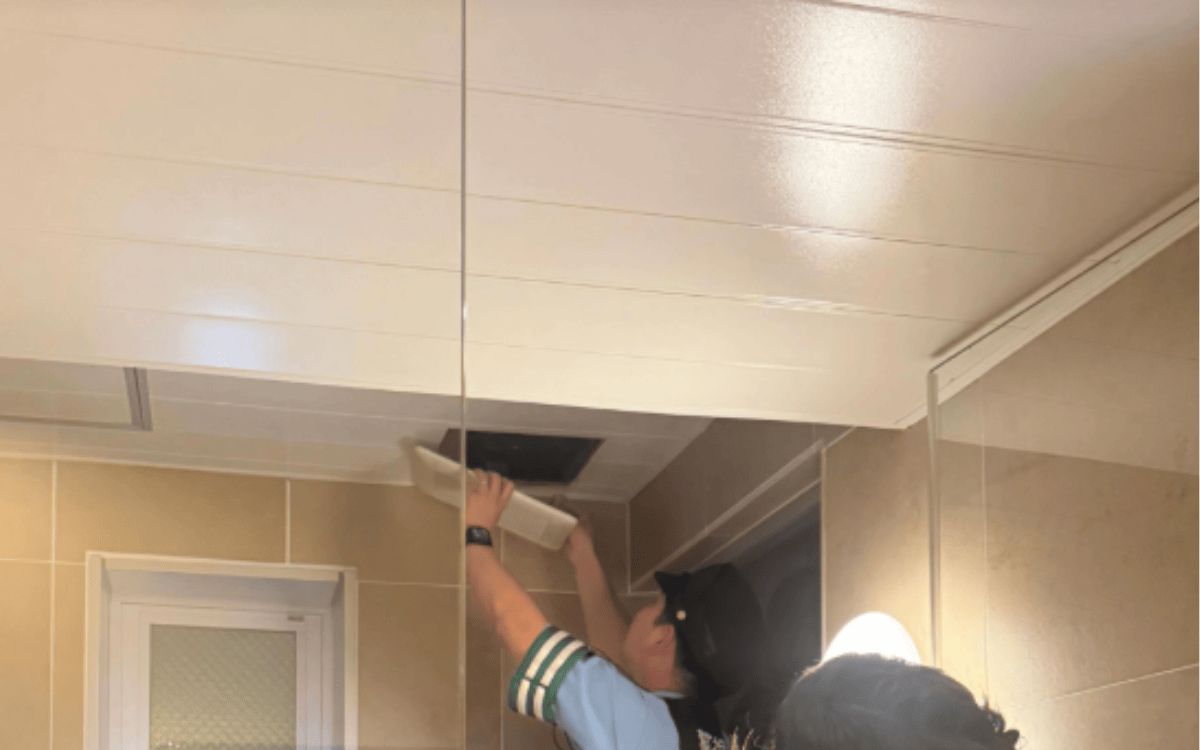
Sedef Demir’s Tokyo hotel stay began with a surprising discovery. After checking into Hotel Aperto, a venue listed on Booking.com, she found a hidden camera in their room. Concerned about potential privacy violations, she shared her experience with Newsweek.
Demir noticed what resembled a small lens below the television. Upon closer examination with her husband, they found it was not part of the TV. The lens was affixed with adhesive and contained an SD card. “Unsure of what we found, we reached out to the hotel manager for clarification,” said Demir. The manager confirmed the presence of a hidden camera and apologized for the situation.
Booking.com responded to Newsweek’s inquiry, emphasizing their commitment to customer privacy. “Surveillance devices are prohibited where guests expect privacy,” a spokesperson stated. Properties not adhering to these rules may be warned, suspended, or removed. Booking.com reviews policies continually to safeguard guests.
Demir did not accuse hotel staff of involvement. The hotel manager suggested a previous guest might be responsible. Police were called to investigate and found the SD card empty. Therefore, no criminal charges were pursued, and they found no other cameras.
A Security Expert’s Perspective
Though Demir acted quickly, such incidents remain rare. Cybersecurity expert Adrianus Warmenhoven explained that while unusual, the phenomenon is increasing. Technological advances have simplified device concealment.
Warmenhoven noted increased demand for counter-surveillance services. He praised vigilant travelers like Demir, advising careful examination of hotel room objects. “Devices often hide in plain sight, such as smoke detectors, USB chargers, or even screws,” he advised. “Scrutinize all electronics present in your room.”
Deciding to Leave
Offered an extra night’s stay, Demir chose to check out the next day, citing safety concerns. She reached out to the Japanese Hotel Association about the incident but awaits a reply. “We want to raise awareness and encourage better online tools to handle issues like this,” Demir said.
Warmenhoven approved Demir’s actions—documenting evidence, reporting it, and involving authorities. He stressed the importance of leaving a hotel upon finding such devices. “Finding a hidden camera is a violation of privacy in spaces meant for intimacy,” he said. “This is worsened by being in an unfamiliar country, with language barriers and legal uncertainties.”
Warmenhoven advised using phones to detect hidden cameras. Smartphone lights can reveal lenses, and free apps can scan Wi-Fi networks for unauthorized devices.
He recommended testing mirrors in hotel rooms. “Press a finger against the mirror. If there’s no gap with its reflection, it could be a one-way mirror,” he said. A flashlight may help see through such mirrors.
For this story, contact Newsweek editors: Marc Vargas and Anthony Murray.