Hollywood Sign Neighbors File Legal Complaint Over Tourist Nuisance
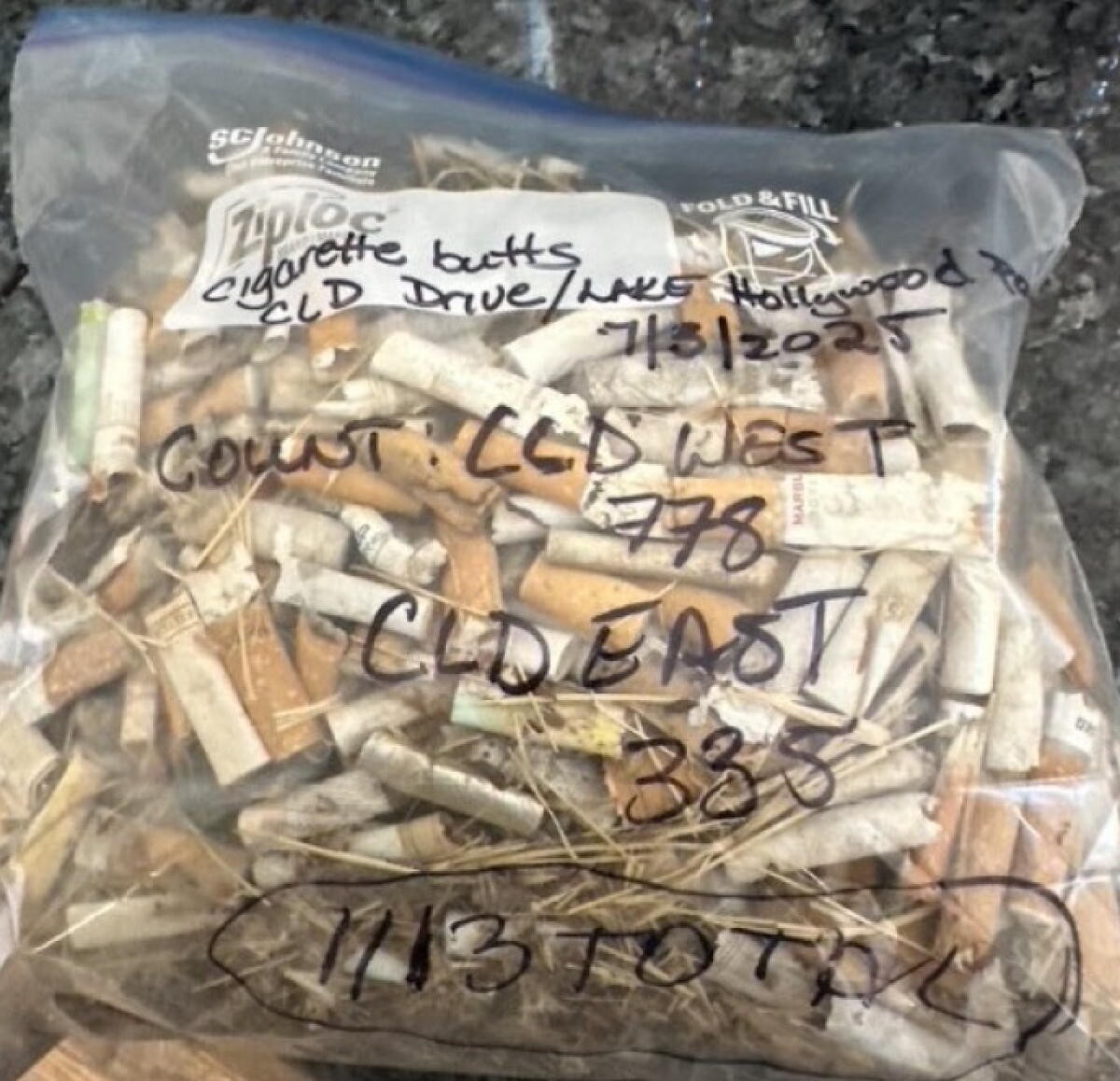
When Cynthia Cobb and her husband moved to Lake Hollywood in 2017, they sought a home with a scenic view. They found it, with striking views of the Hollywood sign. Initially, a few tourists visiting the nearby park was not a major issue, as traffic mainly consisted of locals walking their dogs. However, post-pandemic, Cobb noticed a significant increase in park traffic, with crowds causing disruptions such as blocking her driveway and ignoring parking regulations. Visitors also discarded cigarette butts, raising fire risk concerns.
On Monday, a group of residents living near the Hollywood sign filed a legal complaint against the city of Los Angeles, Mayor Karen Bass, and Councilmember Nithya Raman. They demand action regarding what they describe as nuisance conditions on public property. The complaint stems from a decision made 15 years ago by a councilman to clear brush, creating a viewing spot near their homes, which they argue brought unwanted crowds. Attorney Ilan Wurman, representing approximately 100 residents, stated residents have tried negotiating with the city for over a decade.
Access to the Hollywood sign has been contentious for years. The sign itself doesn’t accept visitors, unlike many other Los Angeles attractions, and there have been ongoing disputes over street closures and hiking access near it. Some visitors allege homeowner attempts to limit access for tourists seeking selfies.
Wurman, a University of Minnesota professor, has previous experience with public nuisance lawsuits, notably winning one related to a homeless encampment in Phoenix. The complaint argues the city encouraged a public nuisance through actions like clearing brush at 3100 Canyon Lake Drive in 2011, a move that created a designated ‘Hollywood sign lookout’ and drew significant tourist attention.
Residents have reported unsanitary conditions such as public urination and defecation. Despite not seeing the lawsuit yet, Bass’s office noted the LAPD’s efforts to manage traffic and parking, employing additional officers during peak congestion times. Raman’s office highlighted their adjustments to staffing based on community feedback, including increased ticketing and towing.
Raman’s office mentioned plans for a pilot project aimed at managing traffic during peak times in anticipation of the 2028 Olympics. The city attorney’s office did not respond to requests for comment.
Concerns about crowding have persisted, with past reports from 2011 indicating residents’ upset following efforts to make the area more accessible for tourists. Residents are seeking a court injunction to compel Los Angeles to address these nuisances, rather than seeking financial compensation. Potential solutions include limiting tourist numbers, similar to measures in Paris around the Eiffel Tower, or replanting vegetation around viewing areas.
The problem intensifies during holidays, when a short drive can take much longer. Cobb fears potential fire hazards compounded by narrow roads, worrying that cars could block emergency responders. While adding public restrooms may alleviate some issues, it won’t resolve traffic jams entirely. Cobb expressed a desire to feel secure in her neighborhood again, hoping legal action will prompt city intervention.