Hollywood’s Voice Actors Face AI Challenge
Voice actors in Hollywood are confronting the impact of artificial intelligence on their industry. A divide is evident among actors over how to adapt to AI. Established stars are capitalizing on AI technology to increase earnings, while non-star actors face a reduction in jobs. These non-star actors claim they are being used to train AI models that may replace them. Unions are advocating for stricter controls on AI usage.
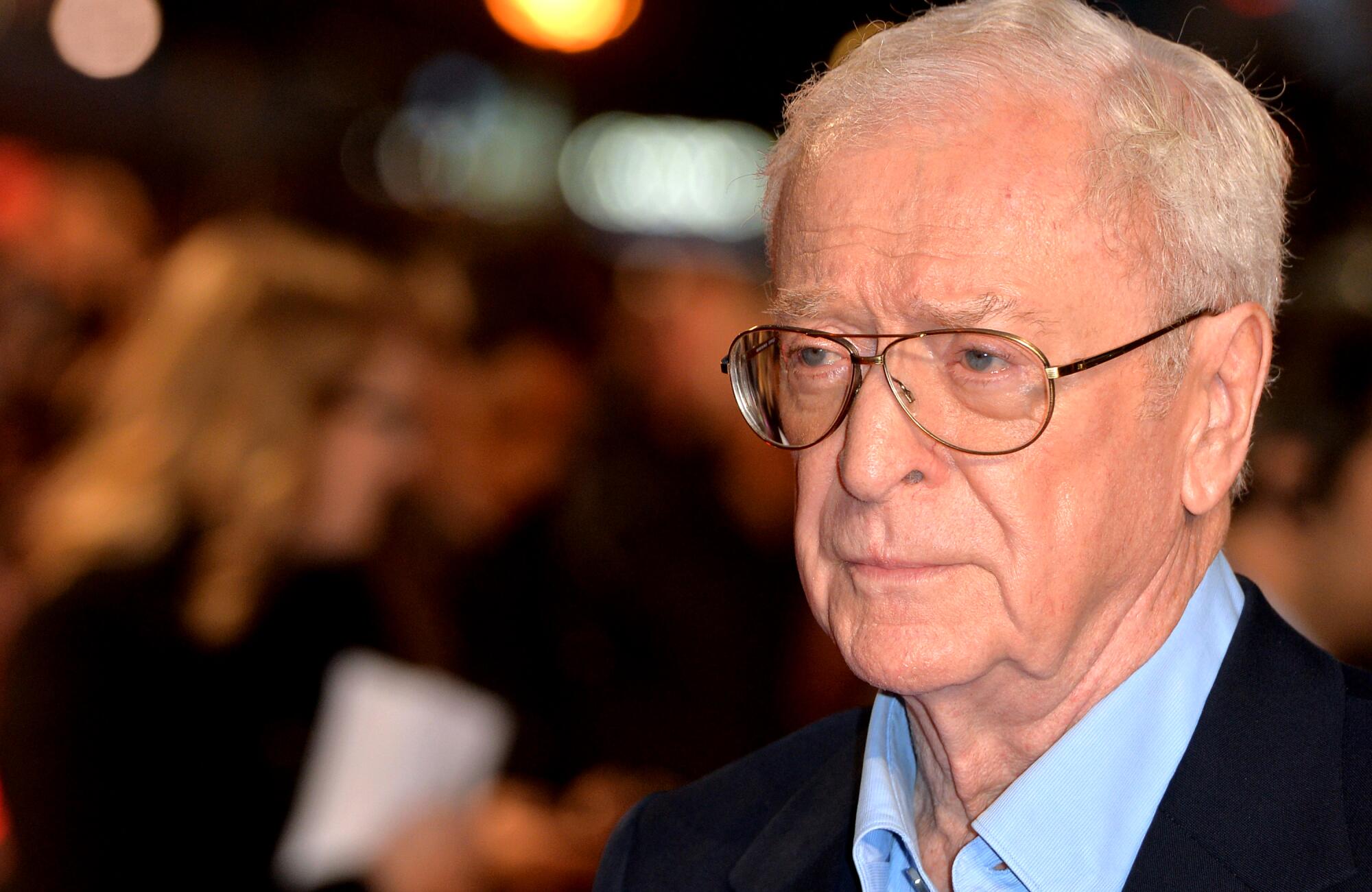
Voice actor Stacey Rivera expressed concern about the future of her career, highlighting fears of AI taking over voice roles. The technology’s advancement is evident as AI voices are integrated into audiobooks and other media platforms. Sir Michael Caine’s voice clones the narration of the “Odyssey” due to his collaboration with ElevenLabs, a New York-based AI voice firm. Similarly, Matthew McConaughey employs AI for translating his newsletter into Spanish.
David Lawrence XVII, a seasoned actor and member of the SAG-AFTRA audiobook steering committee, emphasized the need for fair compensation and protection against voice cloning. Despite resistance, authorized voice cloning is gaining acceptance in Hollywood, with actors like Morgan Freeman becoming open to allowing their voices to be digitally replicated.
The rift between supporters and opponents of voice cloning persists. Online voice acting communities, such as the Reddit group r/VoiceActing, reflect anxiety over job losses and the erosion of their art form. Voice actors like Nick Myers have refused lucrative offers to lend their voice to AI, citing moral considerations.
AI’s influence on the industry led to significant job reductions, affecting roles in commercials, online classes, and budget audiobooks. Recent union agreements, like the one signed in June 2023 by SAG-AFTRA, introduced limitations on AI use but highlighted the precariousness of freelance voice work. The National Association of Voice Actors warns freelancers about the risks of conceding rights to their voices.
SAG-AFTRA is advocating for federal legislation through the No Fakes Act, which would protect individual voice rights. Nonetheless, the debate continues, and some actors feel compelled to make decisions counter to union guidance.
Jessica Hepburn, who once thrived in smaller gigs, now finds AI competition challenging. Her income fell significantly, leading her to explore voice-over work in sectors less impacted by AI, such as erotica. Hepburn pointed out AI’s limitations in replicating high-level emotions.
Peak actors are sometimes offering their voices cheaply. Alicia McCalla opted to clone her voice, earning passive income but cautioning against unforeseen uses of her voice in various media projects.
ElevenLabs reports significant earnings for voice clone creators, claiming they can control their licensing terms. Yet, the industry sees a rise in unauthorized clones and related legal actions. A recent class-action lawsuit targets companies like Meta and Microsoft for allegedly using voice data without consent.
Stacey Rivera is among those navigating this contentious landscape. She balances her commitment to union work with the scarcity of jobs and the temptation of lucrative AI offers. Her choice to reject an AI training offer underscores the growing concerns over AI’s predatory nature and its effects on the industry.