House Oversight Committee’s Report on Epstein and Maxwell Investigation Reveals Systemic Failures
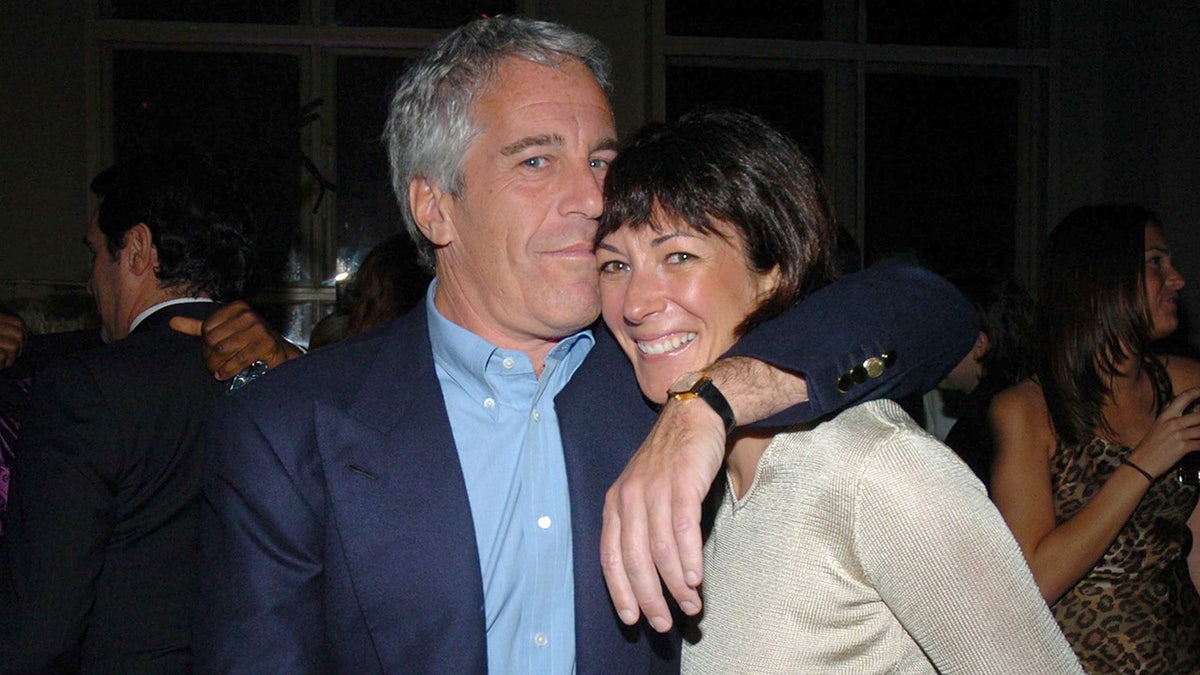
The House Oversight Committee has released a report detailing critical failures in the handling of Jeffrey Epstein and Ghislaine Maxwell’s criminal activities. These failures include prosecutorial shortcomings, preferential treatment, and neglect by institutions that allowed the exploitation of young women and girls over several years.
Conflicts of Interest Uncovered
The investigation, led by Chairman James Comer, R-Ky., highlighted potential conflicts involving federal prosecutors and financial institutions that ignored the signs of sex trafficking. Specifically, two former federal prosecutors were identified for their questionable involvement in Epstein’s initial investigation.
Matthew Menchel, a senior prosecutor at the time, had advocated for resolving Epstein’s case through a non-prosecution agreement. His romantic history with Lilly Ann Sanchez, who later defended Epstein, was not disclosed. Although Menchel continued interactions with Epstein post-agreement, an alleged photo of them skiing together could not be confirmed. Menchel denied any misconduct in his dealings with Epstein.
Private Practices and Legal Concerns
Another former prosecutor, Bruce Reinhart, started a private practice while in the U.S. Attorney’s Office. He later represented Epstein’s associates, raising questions about his access to investigation details. Despite inquiries, Reinhart did not respond to requests for comment.
Further Investigation Requested
The committee called for the Justice Department to investigate former Miami Beach Mayor Philip Levine and celebrity hairstylist Frédéric Fekkai, implicated by former Epstein assistant Sarah Kellen. Kellen also testified about removing evidence from Epstein’s home before a 2005 search. Attorneys involved indicated the equipment had been with private investigators, but no further actions were pursued.
Associations and Accountability
The report examined Epstein’s network, involving public figures like Bill Gates and Howard Lutnick. Gates ended his association with Epstein over financial demands related to a personal affair. Lutnick noted a visit to Epstein’s island for lunch but denied wrongdoing. Both figures declined further comments.
Leon Black was highlighted as a major financial supporter of Epstein post-conviction, with payments alleged to cover advisory services. Black faced subpoenas he did not comply with, leading to a contempt of Congress vote. He denied any criminal involvement with Epstein.
Former Officials and Professional Relationships
The report also scrutinized relationships Epstein maintained with past officials. Kathryn Ruemmler, former White House counsel, received gifts from Epstein, later claiming she believed he had served his criminal sentence. The investigation included communications with Rep. Stacey Plaskett, who acknowledged interactions with Epstein during a congressional hearing.
Further details revealed an email hinting at possible donations from Epstein to campaigns, though House Democratic leader Hakeem Jeffries denied any ties or donations from Epstein.
Ongoing Investigations
The report acknowledged thorough failings in Epstein’s handling post his 2008 conviction, emphasizing inappropriate work-release privileges he received that allowed further abuses. Existing ties with government entities, business leaders, and the implications of Epstein’s wealth raise the need for continued scrutiny and reforms.
The committee recommended stronger protections for trafficking survivors and a push for reformative actions to prevent repeat federal investigative failures.