How Animal Scavengers Benefit Human Health
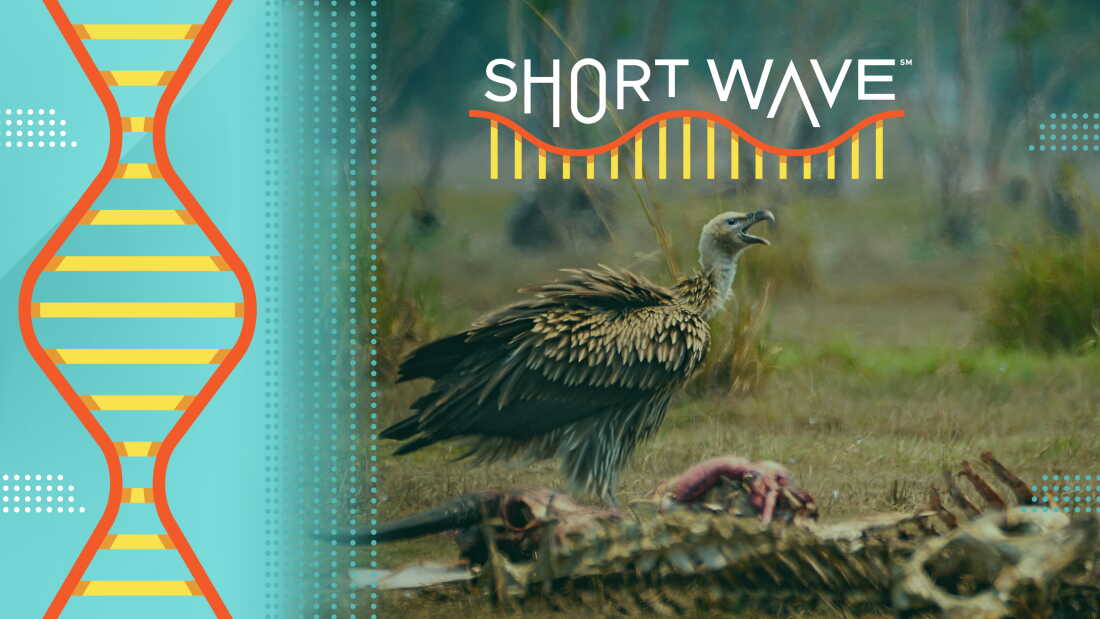
Scavenging animal species play a crucial role in maintaining ecological balance. Worldwide, many of these animals that feed on decaying carcasses face declining populations. Researchers highlight that this decline poses a significant risk to human health.
NPR science reporter Jonathan Lambert explores the connection between human health and scavenging animals. He discusses how the decline in these animals could lead to an increase in human diseases.
Scavengers include a range of species such as vultures, hyenas, and certain insects. These animals help in disposing of carcasses, thus preventing the spread of disease. Without these animals, decaying matter remains in the environment, potentially harboring pathogens that can affect humans and livestock.
“The decline in scavenger populations isn’t just an environmental concern, it’s a health issue too,” says Lambert.
Conservation efforts could play a key role in stabilizing and increasing scavenger numbers. Maintaining these populations supports both environmental and human health.
For those interested in more scientific investigations, NPR offers an email contact at [email protected] for questions, including topics like the science behind skincare products.
Short Wave is a program available on platforms like Spotify and Apple Podcasts. Supporting NPR through Short Wave+ offers ad-free access and helps sustain their reporting efforts.
This particular episode was produced by Berly McCoy, edited by Rebecca Ramirez, and received fact-checking by Tyler Jones. Jimmy Keeley managed the audio engineering.