How Little Brown Bat Genes Are Outsmarting a Fungal Killer
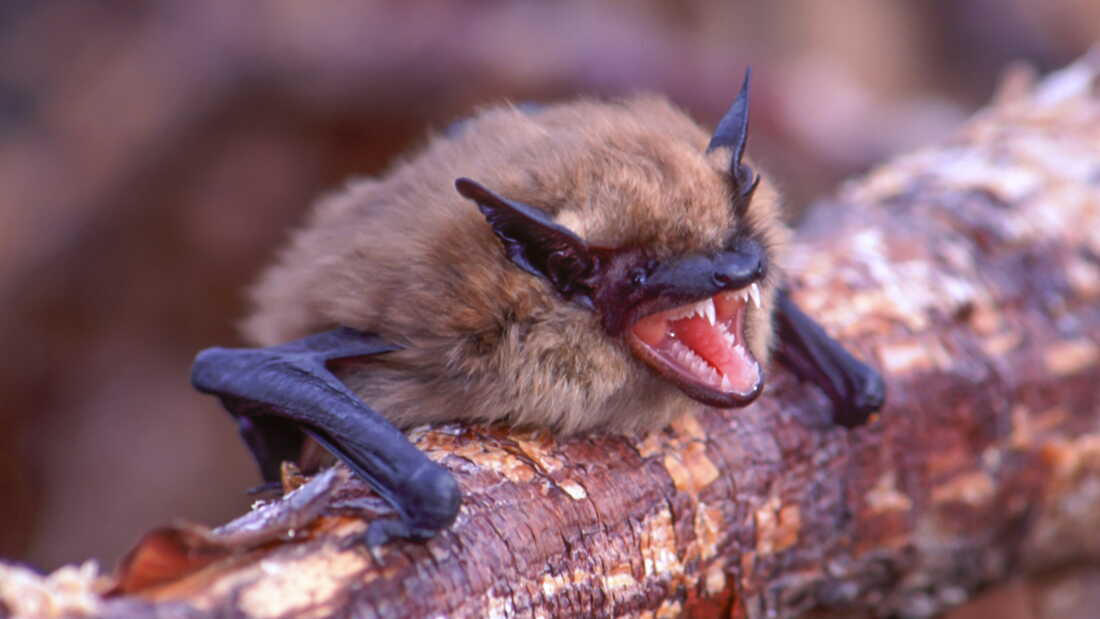
The little brown bat was once the most common bat species in the eastern United States. However, white nose syndrome has severely reduced their numbers. This fungus attacks bats while they hibernate, leading to a drastic decline in their population over the last ten years.
Recently, conservation biologist Giorgia Auteri and her team observed notable genetic mutations in surviving bats. These mutations may reveal how natural selection is altering the remaining population. Understanding these changes could guide future conservation strategies.
If you’re curious about animal science, you can send inquiries to [email protected]. Supporting public media through NPR+ provides benefits across more than 25 podcasts, including ad-free listening. Discover more at plus.npr.org.
Listen to this episode of Short Wave on Spotify and Apple Podcasts.
This episode’s production credits include Hannah Chinn as producer, with Rebecca Ramirez and Lauren Gonzalez as editors. Tyler Jones conducted fact-checking, and Annlie Huang handled audio engineering.