Illinois House Speaker Emanuel Welch Steps Down Amid Harassment Controversy
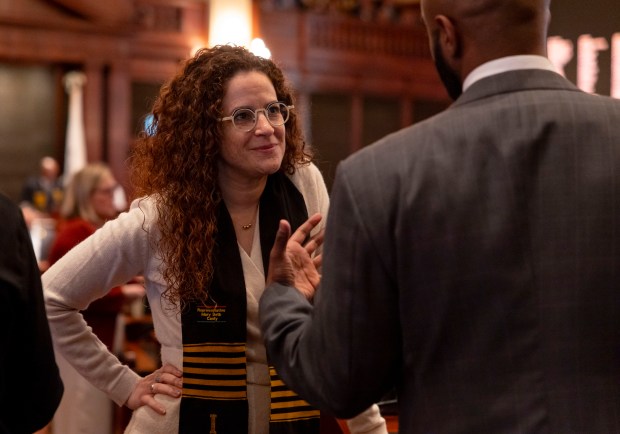
Illinois House Speaker Emanuel “Chris” Welch has decided to step down early next year, making him the second consecutive House leader to be removed due to discontent among women lawmakers over sexual harassment mishandling. This decision creates a chance for the state to potentially elect its first woman House speaker, as women are expected to form the majority of the upcoming Democratic caucus.
Welch, a Democrat from Hillside, faced criticism for his leadership style from a wide range of legislators, not only women. However, women were at the forefront of pushing for a change in leadership, much like with the previous Speaker, Michael Madigan. Madigan’s removal was initiated by women upset with his poor handling of #MeToo incidents among his staff.
The tipping point for Welch’s tenure was a Tribune investigation revealing that his office was aware of sexual harassment complaints against then-state Rep. Harry Benton but delayed action. Despite the earliest complaint dating back to April 2023, Welch still directed significant political funds to Benton’s reelection campaign. This situation mirrored the toxic atmosphere under Madigan and prompted a critical response from women legislators.
In the past, lawmakers joked about legislative sessions in Springfield as “going to camp,” but the recent actions of the Democratic caucus signal an end to that era. Rep. Tracy Katz Muhl from Northbrook emphasized the need for leadership that represents the caucus’s goals effectively, particularly spotlighting the role experienced female legislators have played.
Potential successors include several women, such as Reps. Ann Williams, Eva-Dina Delgado, Jehan Gordon-Booth, and Mary Beth Canty. Names of male candidates like Rep. Jay Hoffman and Rep. Kam Buckner are also in the mix. All potential candidates are currently part of Welch’s leadership team.
Following the revelations from the Tribune investigation, many lawmakers were unhappy with Welch’s response, further straining his position. For instance, Welch described the Benton case as a “he said, she said” scenario, a comment that grated on many legislators. Rep. Anne Stava of Naperville criticized Welch’s failure to remove Benton earlier.
The investigation also exposed Welch’s inappropriate social media interactions with a former Benton staffer. Welch has since apologized for this behavior.
The challenge to Welch’s leadership gained momentum post-election, with a statement from 26 lawmakers, including some of Welch’s leadership team, advocating for a new Speaker contest. By the following day, substantial consensus emerged against Welch continuing as speaker. He has since declared he will not seek reelection but will remain a state lawmaker.
Lawmakers leading the no-confidence initiative urged Welch not to interfere in selecting his successor, emphasizing a need for an uninfluenced selection process. Meanwhile, Governor JB Pritzker highlighted the necessity for improved processes in handling sexual harassment claims in the House.
The timing of Welch’s departure presents a critical juncture for the legislature as it approaches the fall veto session. Issues like funding for a potential new Chicago Bears stadium loom, which Welch’s departure may influence. Conversations with Bears officials about the stadium, including sessions with Gov. Pritzker, have been ongoing.
Legislators have also expressed discontent over Welch’s management style, particularly regarding meeting schedules and fundraising practices. The insistence on having votes from 60 Democrats to bring bills to the floor has been a sticking point.
Rep. Katz Muhl asserts that the legislative process during the veto session remains a priority and sees this period as a transition opportunity for new, potentially female, leadership. Rep. Canty similarly highlights the strong presence of women in the upcoming caucus and suggests the likelihood of a competitive process for the speakership that includes female candidates.
Tribune reporters Olivia Olander and Bob McCoppin contributed to the report.