Illinois Roadkill Deer Utilization Program
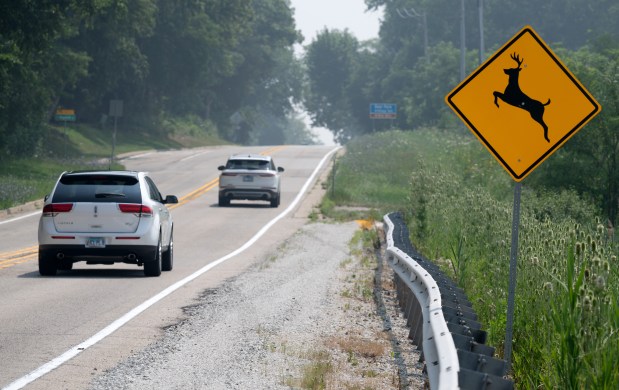
Drivers encountering deer accidents often overlook what they could do with the deer aftermath. However, in Illinois, a program exists allowing residents to claim roadkill deer. They can process the meat for food, taxidermy it, or perhaps use parts for crafts. This initiative caters to the residents who think beyond the collision.
Claiming Roadkill Deer
Eastbound cars passing through Deer Park notice deer crossing signs regularly. Illinois offers a program where residents may claim roadkill deer for personal use, but it requires permission from the Illinois Department of Natural Resources (IDNR). The program processes about 2,500 deer claims each year.
“Most vehicle accident claims involve someone taking the deer for personal consumption,” says Illinois Conservation Police Capt. Josh Mooi.
Cook and surrounding counties report approximately 180 claims annually. Interested parties begin the process via the agency’s online platform.
Processing and Documentation
John Schalz, a butcher in South Elgin, handles about 20 roadkill deer annually. His shop processes steak cuts, sausage, and sometimes jerky. He requires IDNR tags to ensure legality before processing any deer.
“If it’s a shame to let the meat go to waste,” Schalz states.
Mooi explains the documentation helps track population trends and ensures adherence to laws similar to hunting.
The program requires basic identification through an online form. Upon completion, a tag number is given, allowing residents to claim the deer. If an animal is injured, conservation officers can be contacted for humane outcomes.
Restrictions and Usage
Only Illinois residents, not delinquent on child support, can claim a deer. State law prohibits the sale of roadkill deer meat. Taxidermied deer can be gifted but not sold online.
Claims extend to deer killed non-traditionally, such as being caught in traps or dying in fights. Taxidermists, like Tom Rancak, occasionally work with such specimens.
“I’m creating a piece with two deer locked together,” Rancak mentions.
Although such projects occur, most are undertaken by passers-by rather than the vehicle operators.
Taxidermy and Meat Processing
Jim Nelligan notes that roadkill is not typically sought for trophies, as hunted deer provide more personal value. Taxidermy of a deer head requires time and financial investment. A butcher can return processed deer meat quickly for about $200.
Schalz estimates a deer offers 75 pounds of lean meat. Concerns about adrenaline affecting flavor are dismissed.
“All deer experience adrenaline spikes, whether the cause is hunting or a collision,” he asserts.
Mooi eats roadkill deer from trusted sources and believes a prompt process is crucial.
“It’s not a big deal if processed soon after acquisition,” Mooi says.