Impact of Charlie Kirk’s Assassination on Political Discourse and Doxing
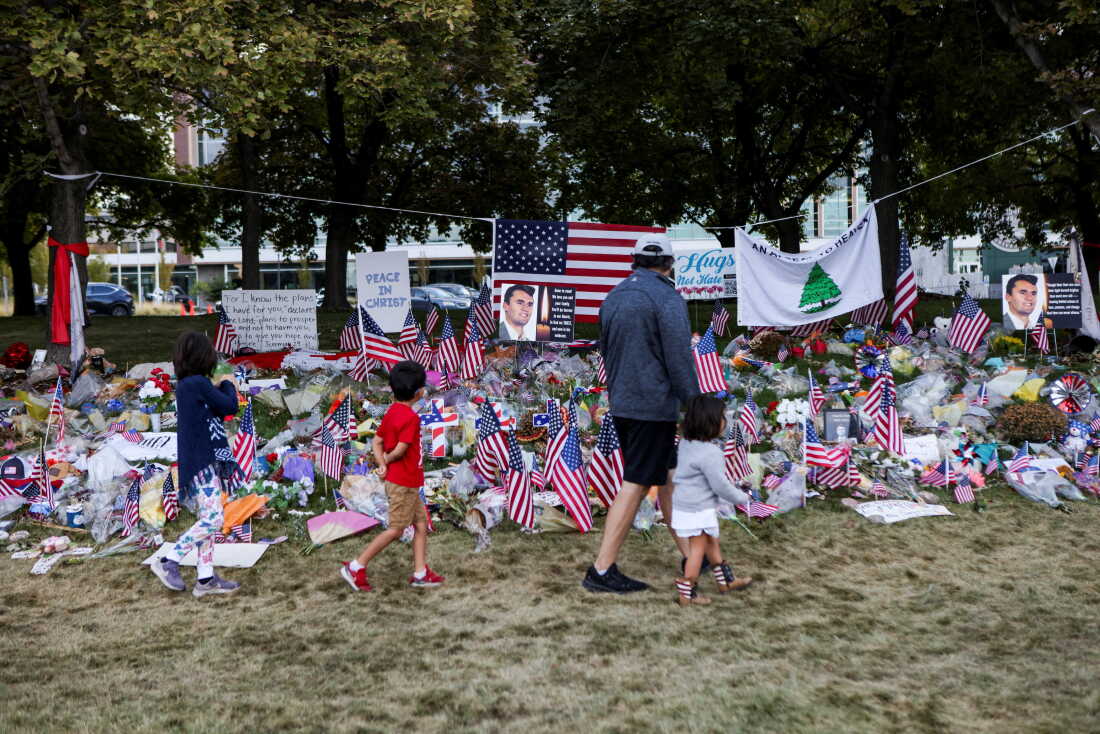
A memorial for Charlie Kirk at Utah Valley University marks the site of his tragic assassination, a location now solemn and quiet. Once vibrant, the courtyard now sees less student interaction, as Collin Grannis, a recent graduate, reminisces about its past liveliness. The space, once a hub for socializing and relaxation, remains overshadowed by the event and its aftermath.
The killing of Charlie Kirk, a prominent conservative and co-founder of Turning Point USA, during a public debate has had far-reaching impacts. Known for leading a conservative youth movement, Kirk’s death led to a surge of harassment and threats nationwide. Security experts note a shift in targeting, where anyone expressing dissenting views might face repercussions, amplified by social media dynamics.
Online Harassment and Doxing
Doxing, the act of publicly sharing personal information without consent, has become a widespread tool used across political spectrums. Shauna Dillavou, CEO of Brightlines, discusses how the aftermath of Kirk’s assassination accelerated this trend. She highlights how doxing has evolved from niche subcultures to mainstream practice, affecting countless individuals who face serious consequences like job losses and threats.
Following Kirk’s death, a controversial website emerged aiming to expose those celebrating the event. Kat Green, from the doxing mitigation nonprofit Endora, describes the overwhelming increase in cases her organization faced as these sites listed personal details, endangering individuals who posted online. Green notes the unprecedented collaboration among her peers to track these sites’ origins.
Technological and Political Influences
Technology has amplified the reach and speed of such activities. Historically, initiatives like TPUSA’s “Professor Watchlist” promoted similar tactics. However, Vice President Vance’s involvement following Kirk’s assassination highlighted the politicization of these activities. Calls for civility conflicted with actions perceived as endorsing public shaming or harassment.
Shannon Hiller from the Bridging Divides Initiative comments on how top-level endorsements can escalate situations. Doxing is seen as a form of stochastic terrorism, where influential figures incite lone actors to violence, creating broader societal unrest.
The proliferation of doxing remains concerning, altering discourse and increasing fear among those holding dissenting opinions. Hiller emphasizes the need for meaningful dialogues across political divides to combat this trend.
Cultural Shifts and Potential Remedies
Despite the “Expose Charlie’s Murderers” website being taken down, lingering effects remain. The normalization of doxing as a political tool could leave long-lasting scars on societal discourse. Discussions on the ethical aspects of doxing, where accountability and harmful behavior intersect, remain unresolved.
As technological evolution continues, societal norms concerning personal conflict and public information sharing must be reevaluated. Dillavou argues for awareness of doxing’s dangers, equating its risks to broader societal harm.
The aftermath of Kirk’s assassination saw a mix of legal pushbacks and internet culture shifts, undermining the practice through humor and satire. Green highlights how memes diluted the impact of targeted harassment, showcasing a unique, albeit temporary resolution.
The incident and its repercussions have made discussions on campus, especially during anniversaries, challenging. Students and faculty navigate sensitive memories and emotions, seeking ways to address past events constructively while acknowledging the pain and political tensions they evoke.