Infantino’s FIFA Presidency Under Threat After Secret Investment Plan Collapse
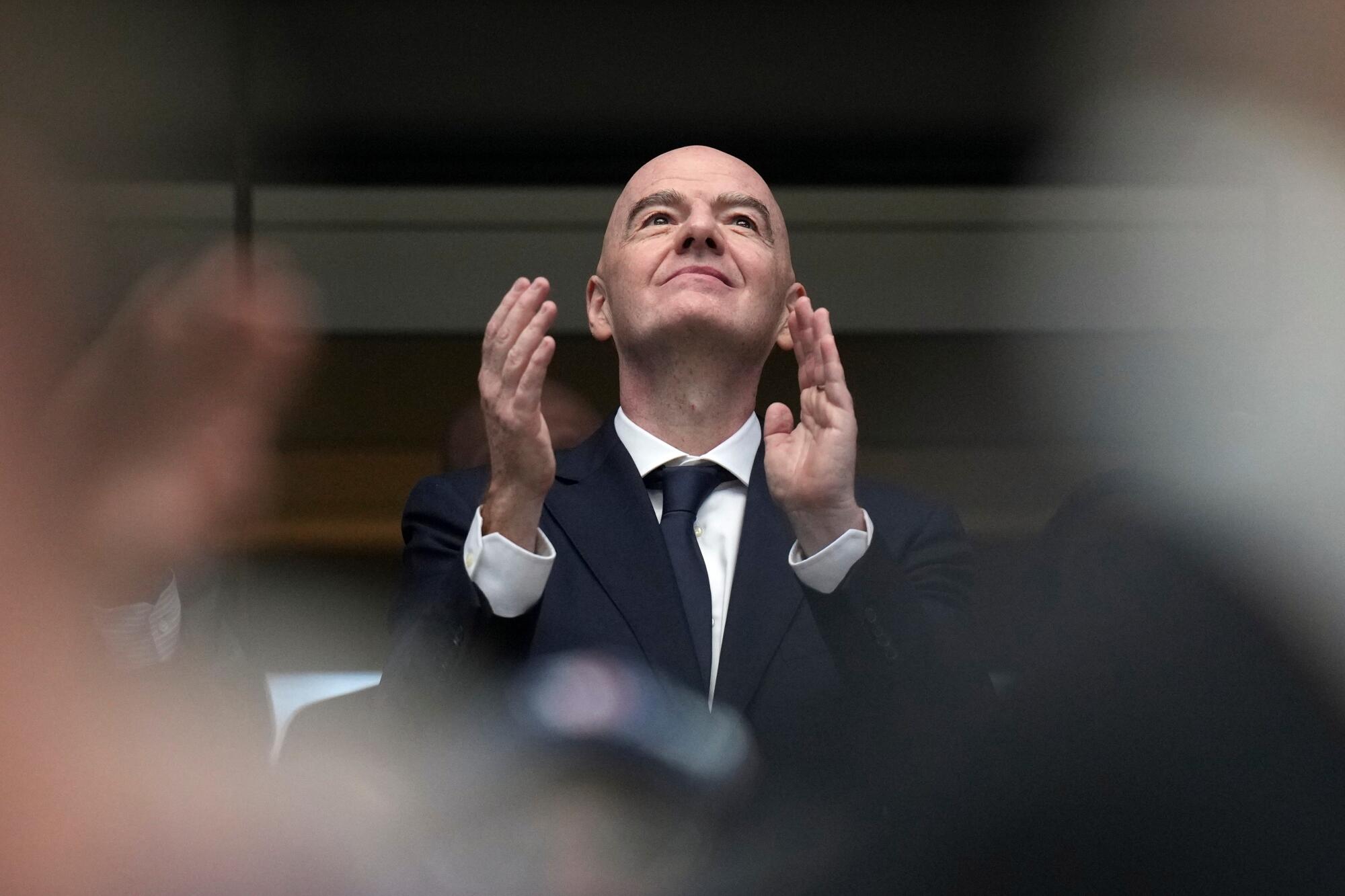
As the World Cup’s final weekend approached, The Guardian reported unprecedented support for FIFA president Gianni Infantino. Over 200 of FIFA’s 211 member associations publicly backed Infantino’s bid for a fourth term as head of the organization. This strong backing made the upcoming vote more symbolic than competitive. Yet, in just two weeks, this support evaporated.
Infantino’s secret plan to raise $4.2 billion by selling a 20% stake in the World Cup to private investors was at the heart of the controversy. Investors would have gained influence over future events, broadcasting, and commercial deals. Infantino’s plan, concealed as the FIFA Forward Enterprise, aimed to turn the World Cup into a significant financial asset. To move forward, he needed the support of at least 106 FIFA member countries and promised significant financial incentives. However, the bribes failed, leading to the plan’s hasty cancellation and casting doubt on Infantino’s leadership.
His previous success with the 2026 World Cup, which drew over 6.8 million fans and generated $15 billion, couldn’t shield him. Infantino, known for pushing funding boundaries, had previously attempted to introduce private equity into FIFA in 2018, facing resistance then too. Recent moves, like introducing hydration breaks for commercial revenue and pricing strategies that stretched fans’ budgets, highlighted his controversial approach to monetizing the tournament.
Responses were swift. British Prime Minister Andy Burnham and Spanish soccer association president Javier Tebas demanded Infantino’s resignation. A planned venture with Thrive Eternal, led by Joshua Kushner, exacerbated the situation. Concerns over political ties, particularly with connections to former President Trump, increased scrutiny.
European soccer’s governing body, UEFA, condemned Infantino’s plan, resulting in an emergency meeting and boycott. Other confederations, including CONCACAF and the Asian Football Confederation, similarly rejected the proposal. Infantino’s strategic approach and secrecy, rather than the concept of private investment, incited backlash. Individuals like former U.S. Soccer president Alan Rothenberg noted the model’s potential viability, criticizing its execution instead.
FIFA reserves substantial profits and faces no debt, as highlighted by former U.S. Soccer president Carlos Cordeiro, leading many to question the necessity of external investors. Infantino has endured criticism for past relationships with controversial regimes and unilateral decisions. However, this recent dispute forced him to reconsider his approach, calling the future of his presidency into question as internal and external pressures intensify.