Innovative Approach to Combat Solid Tumors with CAR-T Therapy
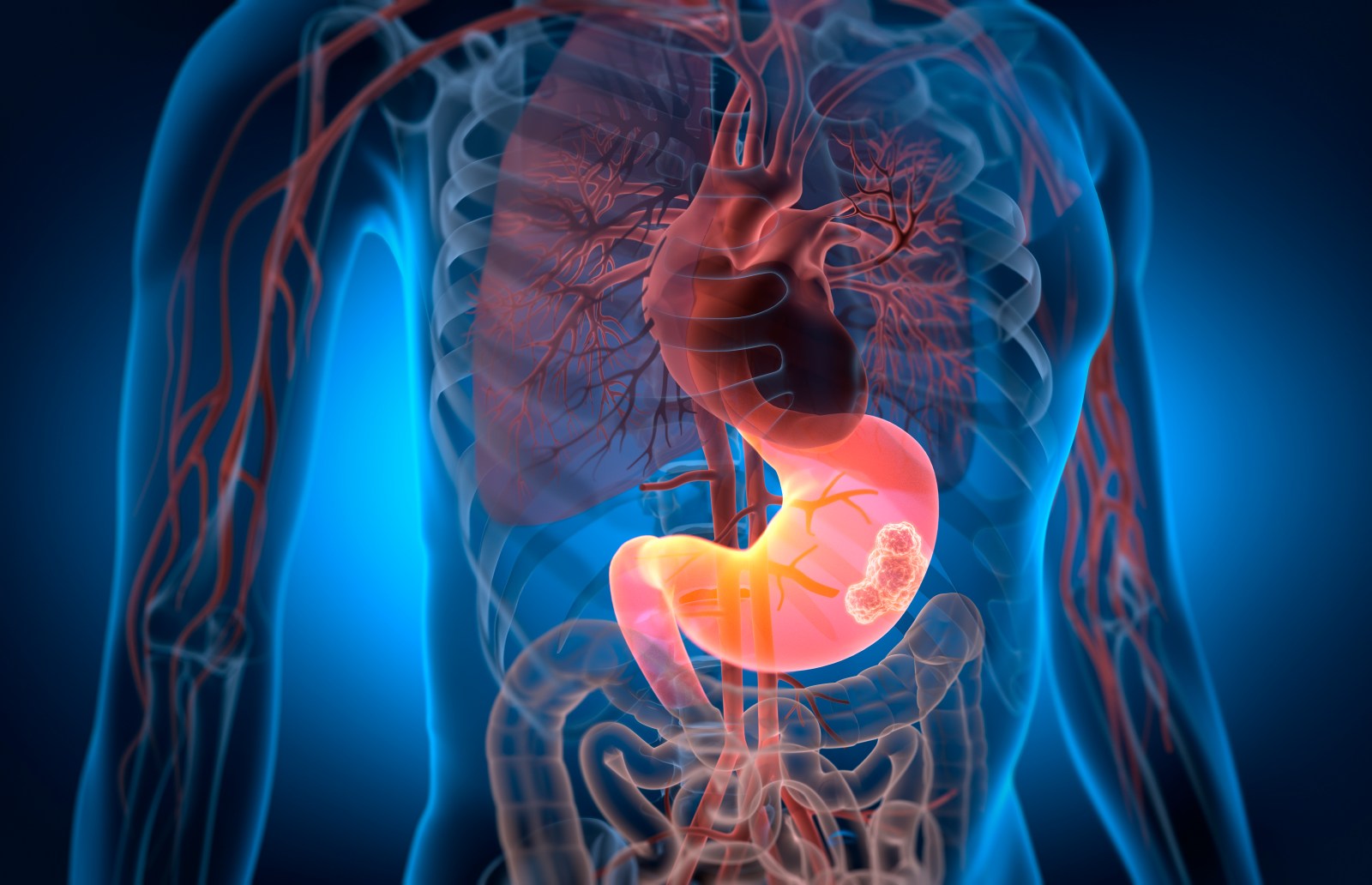
Researchers are exploring a new approach to treat solid tumors using CAR-T cell therapy. For over a decade, CAR-T cell therapy has been transformative in treating blood cancers, providing hope to patients with limited options. This therapy involves adding a laboratory-constructed gene to a patient’s T cells, enabling them to identify and eliminate cancerous cells. It is typically used when other treatments fail or when blood cancer returns.
Historically, CAR-T cell therapy has not been effective against solid tumors due to the absence of clear targets. However, USC Viterbi School of Engineering researchers have developed an innovative method using focused ultrasound to address this challenge.
Tianze Guo, a doctoral student, explained to Newsweek how they devised a method to create a temporary marker on hard-to-reach tumors that CAR-T cells can detect. The system detects a tumor signal, such as low oxygen, and combines it with focused ultrasound directed at the tumor.
This new method, known as SHIFTERS, temporarily induces tumor cells to display CD19, a marker recognized by CAR-T cells. Researcher Peter Yingxiao Wang described the approach as promising for treating solid tumors, though it may take years and further investment to become clinically available.
Solid tumors often suffer from low oxygen due to outgrowing their blood supply. The SHIFTERS technique uses a two-pronged approach to target low oxygen conditions and employs focused ultrasound to locate tissue non-invasively. Guo noted that the tumor cells only display the marker where both signals meet, allowing precise targeting by CAR-T cells.
Previously, finding a unique marker for solid tumors was challenging. This new strategy compels tumors to produce the marker, simplifying recognition. Initial tests on lab-grown cancer cells, tumor models, and animals demonstrated the effectiveness of the ultrasound method. CAR-T cells showed a more significant response, leading to substantial tumor reduction. Interestingly, only a small portion (10 to 25 percent) of tumor cells needed to display the temporary marker to initiate a comprehensive immune attack.
Though the research is in its experimental stage and not yet tested on humans, it shows potential. Guo highlighted the current challenge of delivering the SHIFTERS genetic program directly into tumors. Researchers are considering using lipid nanoparticles and modified viruses in their continued studies and eventual human trials.
Reference: Tianze Guo et al., “Ultrasound priming gated by solid tumor hallmarks to guide CAR-T therapy,” Sci. Adv. 12, eaed0666 (2026). DOI: 10.1126/sciadv.aed0666
For further inquiries on this story, contact Newsweek editors Sirena Bergman and Emma Lee-Sang.