Innovative Solar-Powered Ambulance: Stella Juva
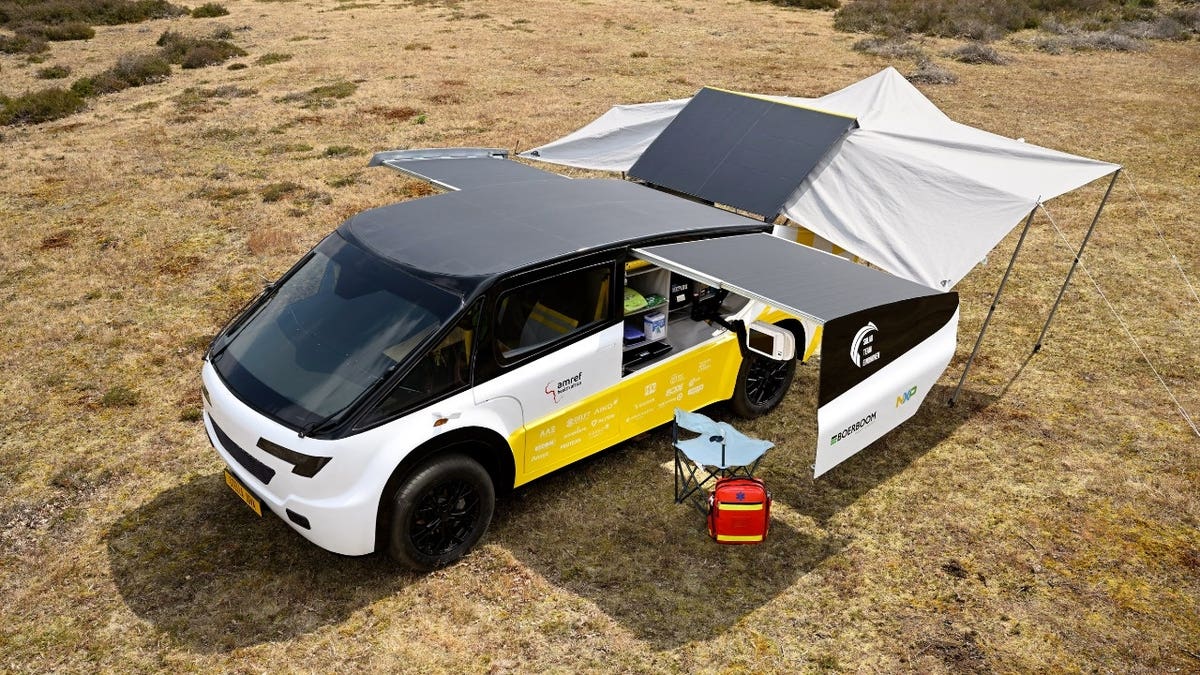
Imagine if the nearest hospital was hours away and lacked reliable electricity. A team of university students in the Netherlands is confronting this issue with a unique vehicle. Solar Team Eindhoven has introduced Stella Juva, hailed as the world’s first solar-powered ambulance. Unlike traditional ambulances, it aims to deliver medical care directly to those in remote areas.
Stella Juva generates essential electricity through sunlight, supporting both transit and medical operations. This can make a significant impact in regions where fuel is scarce and electricity is unreliable.
The World Health Organization estimates around 1 billion people receive healthcare from facilities with unstable or no electricity. Stella Juva offers a potential solution by carrying its power source onboard.
Design and Functionality
A team of 23 students at Eindhoven University of Technology developed Stella Juva. The aim is to reach areas with challenging access to healthcare due to poor roads or limited fuel availability. The vehicle uses solar panels to harness energy, with high-efficiency cells made by AIKO using All Back Contact technology. This design moves electrical contacts to the back of each cell, maximizing sunlight exposure on the limited roof space.
The energy is stored in a 50-kWh lithium battery, allowing the vehicle and medical equipment to function during low sunlight or darkness. In optimal solar conditions, Stella Juva can travel approximately 715 kilometers daily, or around 444 miles, reaching speeds of about 75 mph.
Keeping Medical Equipment Powered
The vehicle separates its electrical system for driving from that for medical equipment in the cabin. If battery levels are critical, energy is prioritized for medical devices. This feature minimizes the risk of equipment failure during patient care.
Pure sine wave inverters ensure stable electricity supply for sensitive tools. The vehicle’s design focuses on maintaining operations after arrival at destinations, providing a true mobile clinic experience.
Understanding Weight and Efficiency
Solar vehicles face challenges with weight, as each pound requires energy to move. To address this, students used carbon-fiber composites, reducing Stella Juva’s weight to approximately 3,000 pounds. Its aerodynamic design reduces wind resistance, allowing more energy use for reaching patients.
Testing and Future Prospects
Stella Juva is set to undergo field testing in Kenya with Amref Health Africa. The aim is to evaluate its real-world performance in reaching remote areas. The test will simulate healthcare scenarios, including tuberculosis care, to assess functionality beyond the university setting.
Solar Team Eindhoven has previously excelled in solar vehicle innovation, winning the World Solar Challenge multiple times. With Stella Juva, the focus shifts to enhancing healthcare accessibility through transportation technology.
This prototype isn’t slated for commercial production, but the project highlights what solar technology can achieve. It encourages companies to explore similar solutions. The outcome of this initiative could influence healthcare delivery models, especially in disaster scenarios or rural areas where electricity and medical expertise are sparse.