Iran and U.S. Clash Over Strait of Hormuz Fees
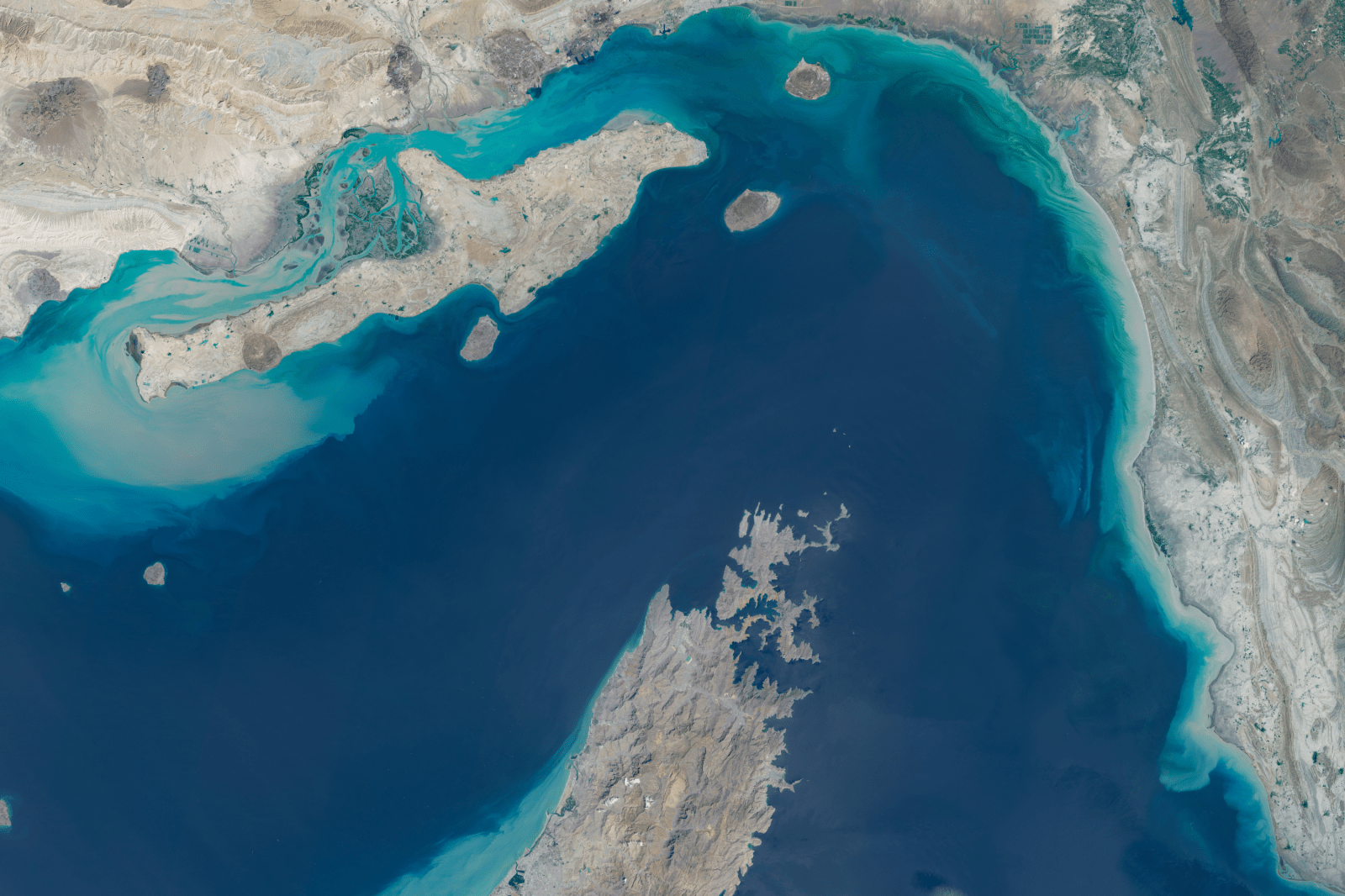
President Donald Trump announced on Truth Social that Iran will not be permitted to charge fees to ships passing through the Strait of Hormuz during or after a 60-day ceasefire. He added that if negotiations fail, the U.S. might impose tolls as compensation for providing security in the region. This adds tension to negotiations over the strait, a crucial oil passage that previously did not have tolls. The war that began in late February has turned the strait into a bargaining chip. This week, a broader ceasefire agreement between the U.S. and Tehran includes a 60-day toll-free period and a halt to hostilities, but the two sides disagree on the future arrangements. Talks are set to begin in Switzerland, and the dispute over control and profits from the waterway is an early challenge to the wider deal.
Why Hormuz Matters
The Strait of Hormuz is significant because it handles a large percentage of the world’s seaborne oil and gas. It has been one of the most strategically important waterways. Before the conflict, vessels moved freely without mandatory tolls. The situation changed on February 28, following U.S. and Israeli strikes on Iran, prompting regional tensions. Tehran took measures to control maritime access, which affected global energy concerns. The strait became central to military and diplomatic strategies.
Terms After Ceasefire
The ceasefire framework stipulates that Iran will not charge ships for 60 days during negotiations. The contention arises over what happens next. Trump is firm that the strait should remain toll-free even after the ceasefire. Iranian officials, however, consider the suspension temporary and negotiations-dependent. This disagreement is a major gap as both sides approach formal talks.
Iran’s Fee System
Iran has begun establishing a regulatory body to manage ship movements and collect fees, formalizing control over the strait. Officials argue that any future charges would cover services like navigation, security, and environmental protection, not formal tolls. Oman is involved in discussions on coordinating these services. The Gulf state, opposite Iran on the strait, could help manage post-ceasefire traffic. Tehran’s stance contrasts sharply with Trump’s position, which opposes Iranian-imposed charges and suggests U.S. compensation if negotiations fail.
Talks Face Early Risks
Negotiators are set to meet Sunday to address technical issues for a final agreement, covering sanctions, security, and future shipping. Despite this, the agreement faces an early challenge. Iranian military officials reportedly closed the strait again, alleging violations of the deal, while U.S. officials insisted traffic was moving. Additionally, renewed fighting in Lebanon between Israel and Iran-backed Hezbollah challenges the ceasefire terms. The deal relies on a halt in hostilities across several fronts, so escalation could affect U.S.-Iran discussions. With the ceasefire ongoing, the governance of the Strait of Hormuz—especially its toll-free status—is at the heart of an agreement that could influence regional stability and global energy.