Iran Uses War as Cover for Political Dissident Executions, Activist Says
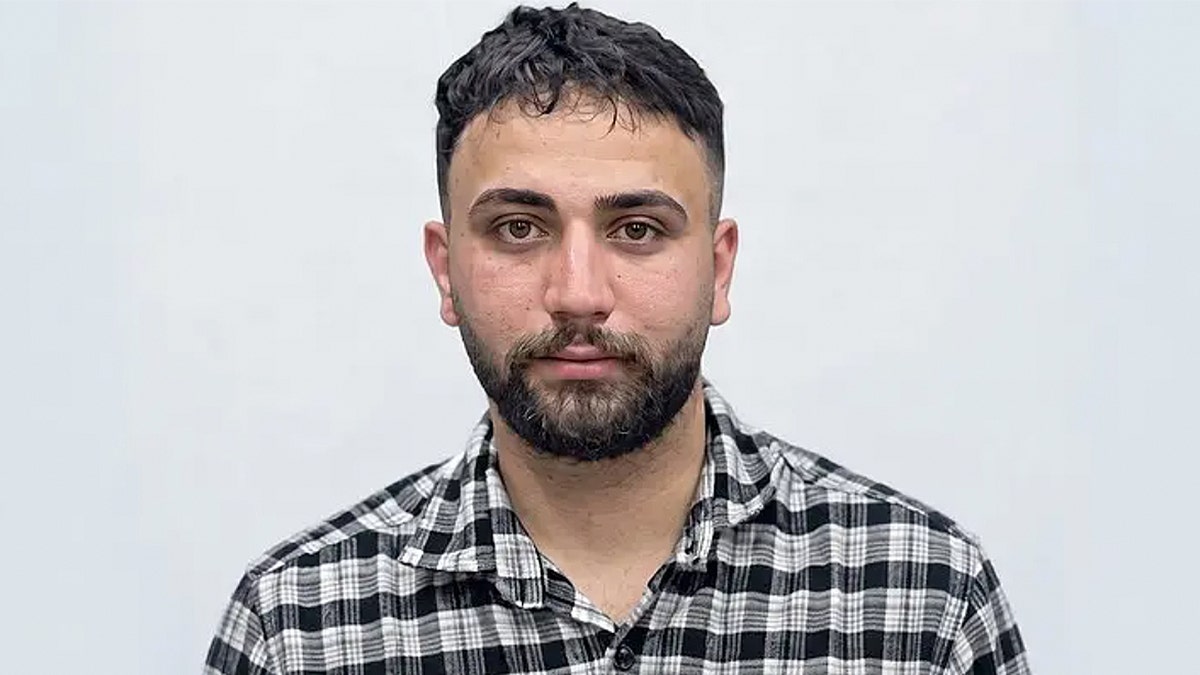
Iranian activist Sheyda Rahbari highlights a disturbing increase in the execution of political dissidents by what she describes as the terrorist Islamic regime. The regime is exerting growing pressure on citizens, issuing open threats of arrest and execution. A poignant case is the execution of Amir Hussein Hamedi, an 18-year-old protestor, exemplifying the regime’s harshness.
According to The Times, Alireza Sepahi, a 25-year-old anti-regime protestor, was hanged at dawn on October 5 inside Isfahan Central Prison. His execution occurred merely hours after marrying his imprisoned fiancée, Mahshad Keshani, via a jail phone line. Sepahi, alongside Alireza Raisi, was sentenced to death for participating in anti-government demonstrations at Isfahan’s Alikhani Square on January 8, as reported by Human Rights Iran. Before arrest, Sepahi and Keshani, a 22-year-old student activist, were romantically involved.
The informal wedding took place on a Sunday. Keshani, sentenced to five years, pushed for it due to fears of Sepahi’s imminent execution following a family call. Despite being in prison, the couple exchanged vows over the phone with their fathers present. Amirsalar Davoudi, a human rights lawyer, facilitated this by reciting the vows for the fathers’ blessings. The couple received a traditional dowry, including a Quran, saffron rock candy, and a red rose, from Keshani’s family. Davoudi expressed admiration for Keshani’s bravery.
In advice to Keshani, Davoudi warned about the permanence of her decision. Her unwavering love for Sepahi was evident despite the risks. Sepahi’s emotional response moved not only the couple but also the prison officers. However, the ceremony could not prevent the execution. Previously, Sepahi’s hanging was postponed following a heart attack en route to the gallows in July, but it proceeded once he recovered.
On the morning after their vows, Sepahi was executed. He was one of seven executed in relation to the Alikhani Square case, in which 12 men faced charges for the deaths of four security personnel. Authorities disallowed his family from arranging a burial in his hometown.
Davoudi expressed his difficulty in reconciling with the regime’s actions. He accused the Iranian authorities of taking revenge on innocent youth due to international humiliation. Meanwhile, Keshani remains in custody with new security charges, reported by human rights groups.
Maryam Rajavi, the president-elect of the National Council of Resistance of Iran, called upon U.N. Secretary-General António Guterres to demand international intervention to stop the execution and killing of protestors. She highlighted thousands of executions and prolonged impunity regarding human rights abuses in Iran, urging for accountability and international pressure. Her remarks were part of a letter released ahead of World Day Against the Death Penalty on October 10.
Emma Bussey, a breaking news writer for Fox News Digital, previously worked with The Telegraph, contributing across various desks, including foreign news, politics, and culture.