Iran’s Ghost Fleet: Smuggling LPG to China
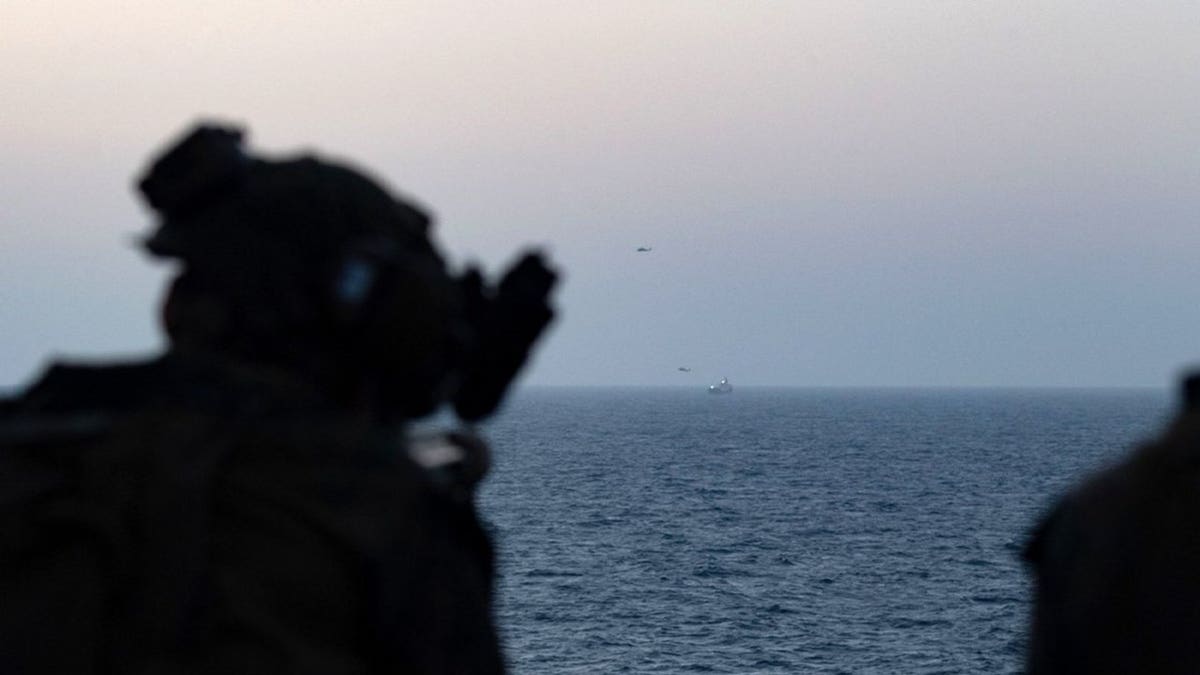
Small Iranian tankers, known as the “ghost fleet,” are circumventing the U.S. naval blockade established to stop the export of sanctioned liquefied petroleum gas (LPG) to China. These tanker operations have caught the attention of investigators, including United Against Nuclear Iran (UANI). Recently, one of these vessels was filmed covertly as it transported LPG to China through a maritime hub off Malaysia.
U.S. Blockade and Tanker Operations
In July, the U.S. reinstated the blockade against Iranian ports, aiming to curb the oil and LPG exports from Iran. UANI’s investigation has tracked at least nine tankers slipping past this blockade since its reinstatement. One such vessel, identified as the SOGL, managed to escape on September 1, transporting 500,000 barrels of LPG from an Iranian port to offshore Malaysia. Subsequently, it continued to China, where it unloaded its cargo.
Investigating the EOPL Anchorage
The Malaysian Eastern Outer Port Limits Anchorage (EOPL) plays a crucial role as a staging ground for the sanctioned Iranian energy trade with China. At this anchorage, vessels can wait offshore, receive supplies, and transfer cargo between tankers, aiding the Iranian export efforts despite American naval patrols. UANI documented the activities in this region, highlighting the operations of ghost fleet tankers and Iran-flagged cargo ships.
The Role of Ghost Fleet Tactics
Ghost fleet tankers adopt deceptive practices to evade detection. This includes turning off AIS transponders to become stateless vessels. These tankers perform risky ship-to-ship transfers, especially with volatile LPG cargo, to circumvent the blockade.
Economic Impact and Strategy
Despite the blockade, small tankers continue to breach it due to tactical evasion methods. The U.S. emphasizes larger tankers carrying crude oil, which can reach millions of barrels. However, smaller LPG tankers persist in their operations. Malaysia, roughly a two-week journey from Iran, serves as a logistics hub for these activities.
China’s Market Influence
China remains a dominant destination for Iran’s exports, receiving almost all of Iran’s oil and LPG shipments despite sanctions. It facilitates the purchase of highly discounted Iranian products, allowing Iran to bypass sanctions.
Sanctioned Vessels and Logistical Support
UANI identified the SOGL vessel, sanctioned for its involvement in transporting Iranian products since 2025. It has operated under flags from Comoros and Zimbabwe, and is linked to various front companies. This anchorage supports logistical needs for these tankers, including bunkering services.
The ongoing trade between Iran and China exemplifies a developing system that avoids U.S. and OPEC sanctions, reinforcing Iran’s economic afloat.