Iran’s Leadership and Trump’s Policies: A Complex Relationship
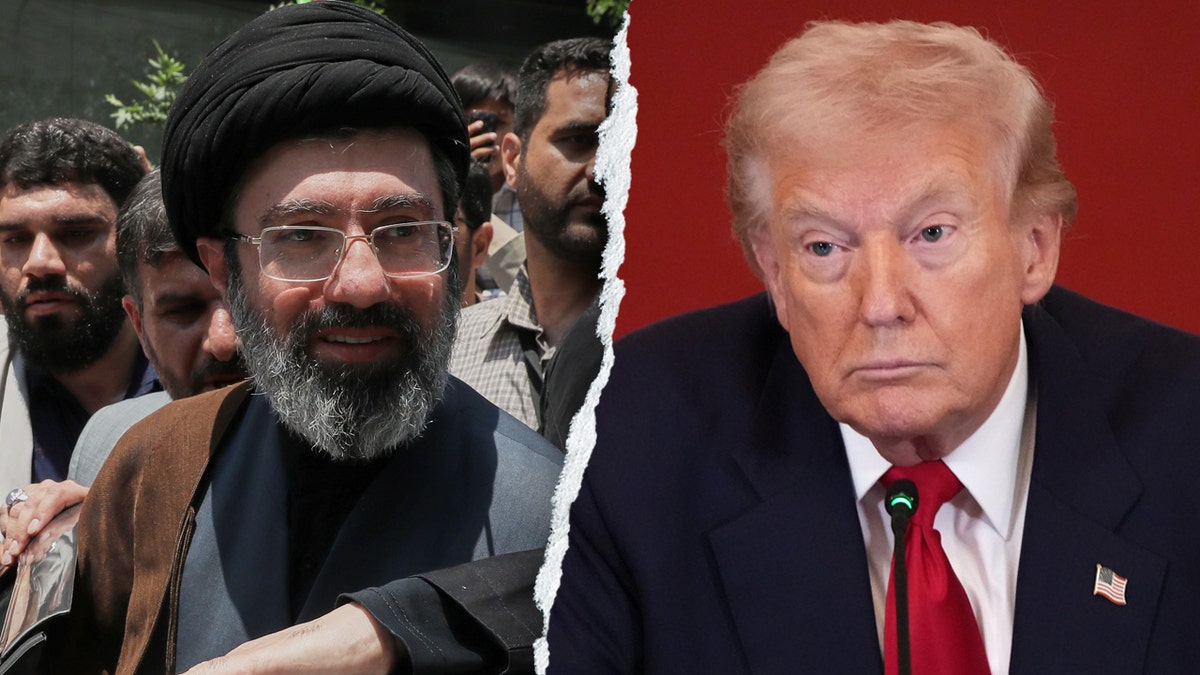
JERUSALEM — In the wake of the U.S. midterm elections, Iran’s Supreme Leader Ayatollah Mojtaba Khamenei has been vocal about the perceived decline of the United States. With President Donald Trump leading U.S. policy on Iran, discussions surface about potential military actions to undermine Iran’s regime.
Current Situation in Iran
Khamenei has kept a low profile since an airstrike resulted in his father and other family members’ deaths. Nevertheless, his provocative comments on social media emphasized what he sees as America’s declining influence post-elections. Following the Republican setbacks in the midterms, he stated, “The process of the US’s collapse has accelerated.”
This rhetoric hasn’t gone unanswered. U.S. officials and Middle East experts rebutted with strong statements. A White House spokesperson highlighted America’s position of strength in controlling strategic areas like the Strait of Hormuz, noting Iran’s weakened economy.
Trump’s Potential Strategies
Discussions around Trump’s next moves suggest options ranging from military actions to diplomatic strategies are on the table. The White House maintains that only Trump knows his future plans, leaving room for speculation.
Iran’s media efforts include inflammatory activities such as an exhibit mocking Trump during the anniversary of the U.S. Embassy’s seizure in 1979. Additionally, Tehran’s AI-produced videos threaten Western European nations, amplifying anti-Western sentiment.
Iran’s Broader Political Moves
Navid Mohebbi, a former State Department analyst, pointed out that Iran’s leaders are framing recent U.S. electoral results as a political message on U.S. foreign policy, despite limited voter concern over Iran as a priority.
Experts agree the narrative from Tehran appears overblown and psychological, influencing perceptions without concrete evidence pointing to Iran as a significant cause for Republican losses.
Challenges and Perspectives
Beyond public commentary, strategic discussions persist. Mohebbi cites unresolved nuclear issues and continued hostility from Iran. Other experts, like former Pentagon officials, advocate for support focused on Iranian citizens while opposing U.S. boots on the ground.
Trump’s approach to Iran, notably his decision to challenge Iran’s nuclear ambitions, marked a significant shift in U.S. foreign policy. Analysts like Ben Shapiro commend Trump’s daring stance as unprecedented.
The Strategic Outlook
Some experts argue that Iran anticipates outlasting any pressing U.S. measures, banking on potential future Democratic governance to avoid military conflict. They suggest supporting Israel’s actions while maintaining a U.S. stance that avoids direct and continuous military engagement.
Observations of Iran’s media suggest confidence boosted by recent electoral outcomes, seeing these as opportunities for increased defiance and reduced compromise willingness.
Ultimately, analysts believe Trump remains unpredictable, and the next two years hold potential for further U.S. actions that could impact Iran’s regime.