Iran’s Political Future: Beyond the Islamic Republic
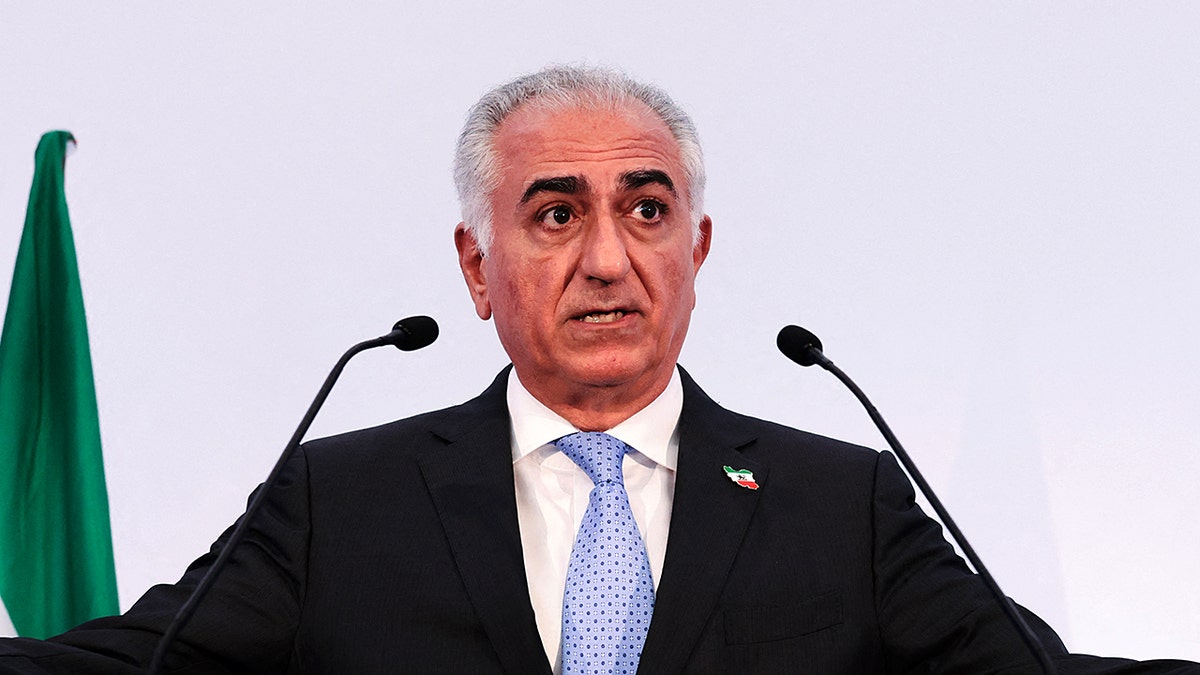
Six months into the ongoing conflict involving Iran, the primary question has shifted from the country’s military capabilities and the IRGC’s control of strategic locations to a more profound issue: the governance of Iran. The political landscape in Iran is marked by uncertainty over whether figures like Mojtaba Khamenei, with his ambiguous influence, or the IRGC, which wields extensive power, truly hold sway over the nation.
Iran seems to be diverging from a Shiite theocracy into a more militaristic dictatorship. This change has repurposed the clerical leaders as providers of ideological support for the military forces. The formation of the Shiite Republic after the 1979 revolution promised reform but ultimately leveraged strategies like terrorism and proxy warfare for political influence abroad while stifling dissent at home.
“Iran is not the Islamic Republic, and the Islamic Republic has never been Iran.”
Iran’s ongoing struggle is defined by its regime’s survival instincts, using war as a means to suppress internal challenges, where dissent is equated to treason. Efforts like Operation Economic Outcast target the financial sustenance of the regime and the IRGC, but Iran’s economic troubles are rooted in longstanding corruption and decay, not merely sanctions.
The regime faces a deeper crisis rooted in the societal divide between a young population aspiring for progress and an establishment anchored in the ideologies of 1979. While economic constraints may expedite the regime’s decline, political rejuvenation remains uncertain. The potential for uprising persists amid systemic grievances.
Any regime change should prioritize the voices of Iranians, and leaders like Crown Prince Reza Pahlavi may play significant roles due to their advocacy of secular governance and national integrity. The Islamic Republic’s potential fall doesn’t negate the influence of ideologies like Islamism and Marxism, which could dominate the void left in its aftermath. Genuine democracy values citizenship over sectarian interests.
In examining U.S. policy towards Iran, it’s essential to learn from past failures. Diplomatic negotiations often address immediate concerns but may not induce significant changes in Iran’s strategic behavior. Tehran adeptly balances diplomacy with asymmetric methods, complicating genuine resolution efforts.
Iran’s future should not rest on decisions made externally. It is crucial for Iranians to determine their government structure, whether a republic or constitutional monarchy. The international community should facilitate Iran’s peaceful transition while avoiding misconceptions about Iran’s social dynamics.
Regional cooperation, including U.S., Israeli, and Arab partnerships, aims to stabilize the region against threats fostered by Iran and could lead to stronger collective security. Understanding Iran requires recognizing the influences of diverse opposition movements and distinguishing credible democratic actors from extremist ideologies.
As China navigates its involvement, balancing economic interests with regional stability, it must address contradictory policies that prioritize short-term stability over addressing root causes of conflict.
Ultimately, while current conflicts raise questions of how they will conclude, it is more vital to consider what follows. Understanding Iran’s societal dynamics and ensuring it can reclaim control of its governance is necessary for lasting peace and stability.