Jury Deliberation Deadlock in Lindsay Clancy Case
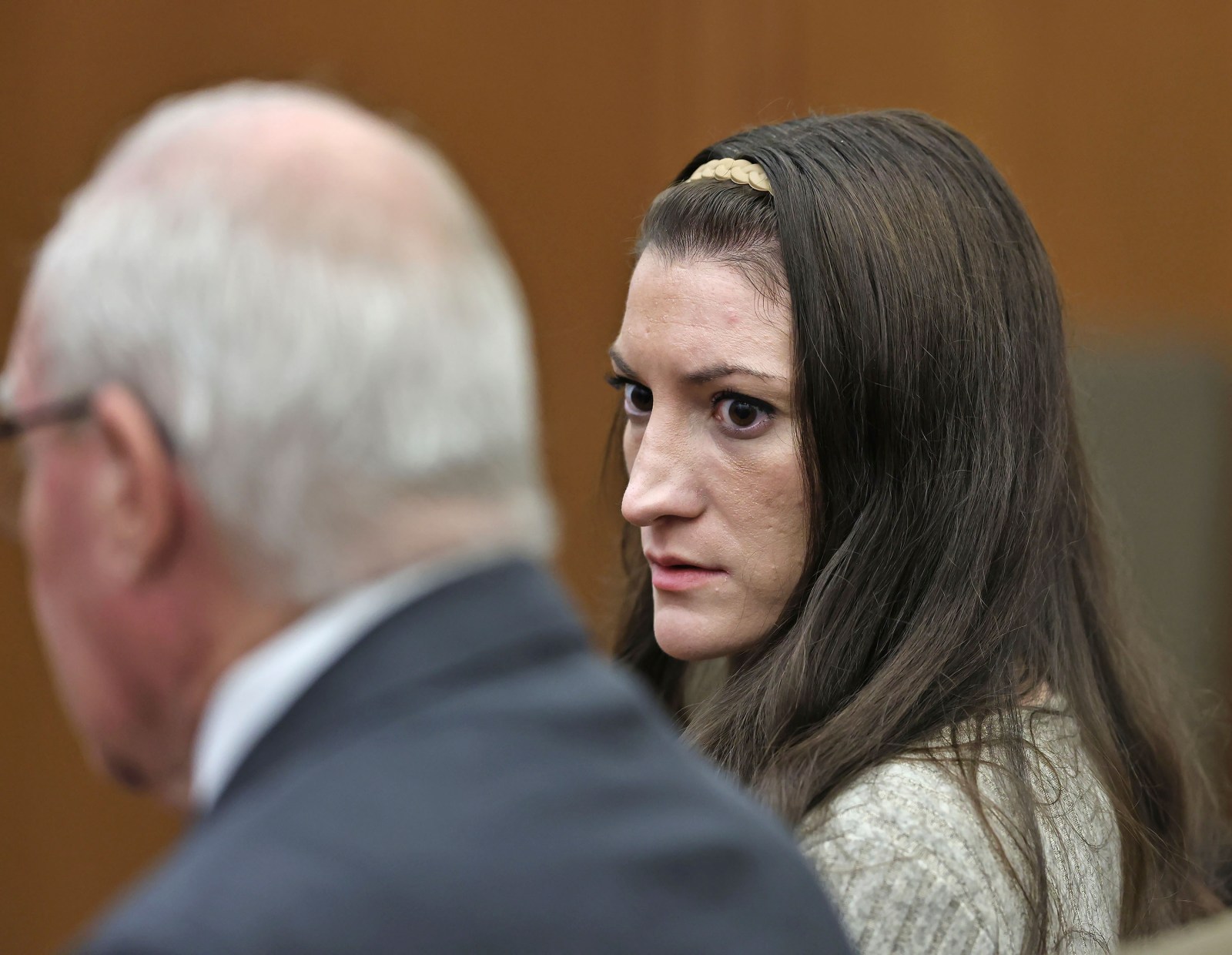
The jury in the Lindsay Clancy case has reached an impasse, unable to agree on a verdict after more than 17 hours of discussion over four days. This deadlock does not end the deliberations. Judge William Sullivan has instructed the jurors to continue their efforts to reach a unanimous decision.
Complex Trial Details
The trial spanned approximately six weeks, featuring testimony from over 80 witnesses and more than 300 exhibits. The key issue is Lindsay Clancy’s criminal responsibility for the deaths of her three children in January 2023. Her defense argues that postpartum psychosis influenced her actions, whereas the prosecution asserts that the killings were intentional.
Legal Framework for Jury Deliberations
Massachusetts law does not impose a time limit on jury deliberations. A jury can continue as long as the judge believes a unanimous decision is possible. A mistrial is only declared if a unanimous verdict seems unachievable.
A deadlock doesn’t equate to an acquittal. If the jury cannot agree, a mistrial could lead to a retrial of the charges.
Comparisons with Other Lengthy Deliberations
While the Clancy jury’s deliberation of 17 to 18 hours isn’t unusually long, other cases have seen extended deliberations. The longest recorded was a California civil case in 1992, with jurors deliberating for about 4.5 months.
A notable criminal trial with extended deliberations was the McMartin Preschool trial, where the jury deliberated for about nine weeks over several counts, resulting in a mix of acquittals and deadlocks.
Short Deliberations in High-Profile Cases
High-profile cases have sometimes concluded quickly. For example, the O.J. Simpson murder trial jury reached a verdict in under 4.5 hours. In contrast, the Scott Peterson case in 2004 saw a seven-day deliberation before reaching a guilty verdict.
Implications of a Jury Deadlock
The Clancy jury’s ongoing deadlock emphasizes that longer deliberations do not necessarily predict an outcome. Research indicates that the strength of evidence is more crucial than the time spent deliberating.
If the jury remains deadlocked, Judge Sullivan may declare a mistrial. The prosecution could then pursue a new trial without the current deadlock serving as an acquittal.
Further updates depend on the jury’s continued efforts, which may end with a verdict, persist for more days, or conclude with an official determination of deadlock.