Justice Department Faces Intense Scrutiny in ‘Broadview Six’ Case
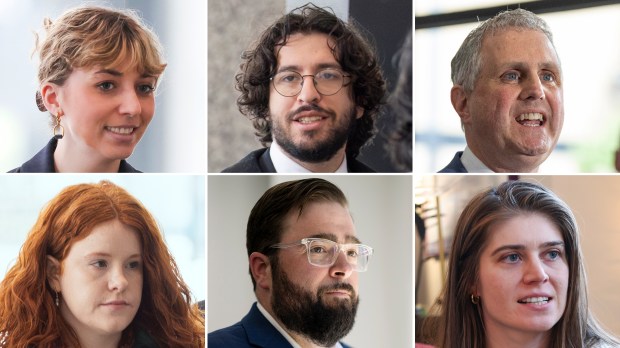
A federal judge in Chicago criticized the Justice Department for failing to comply with orders in the ‘Broadview Six’ case. Judge April Perry stated that the government’s confusion over an upcoming evidentiary hearing was ‘immaterial.’ This situation has created a credibility crisis for the department and astonished many Chicago attorneys.
The ‘Broadview Six’ case involves allegations of misconduct. U.S. Attorney Andrew Boutros and several assistants are scheduled to testify under oath next Monday. Attempts to halt the hearing have failed. There is speculation Boutros may refuse certain questions or invoke the Fifth Amendment.
The DOJ’s chosen manner of production sheds no light on the only relevant issue.
Associate Attorney General Stanley Woodward recently argued against the hearing, claiming communications with local prosecutors are privileged. Perry dismissed the DOJ’s privilege log as ‘noncompliant’ for lacking details about email communications.
Perry ordered the DOJ to revise its production by Thursday. Despite Woodward’s concerns, Perry asserts her authority to conduct a hearing on factual matters. She highlighted that the DOJ does not represent most of those who will testify, including three Assistant U.S. Attorneys.
The Government does not represent at least 3/4 of the individuals who have been asked to testify.
Richard Kling, a Chicago defense attorney, remarked that he has never seen the DOJ confronted so openly. Perry has clarified that witnesses will give oral statements or submit written ones under oath during the hearing. Legal representation will be allowed to confer during questioning.
The case traces back to the ‘Operation Midway Blitz’ during Trump’s administration. The ‘Broadview Six’ allegedly obstructed an ICE agent’s vehicle in 2025. Charges were dropped in May due to misconduct by lead prosecutor Sheri Mecklenburg, who allegedly influenced the grand jury improperly.
Chronologically, the grand jury initially declined to indict, citing juror impartiality issues. Later, the indictment was approved but faced criticism for political motivation. U.S. Attorney Boutros denies these claims. Improperly redacted transcripts led to the case collapsing.
That trust has been broken.
While no intentional misconduct has been proven, Perry noted issues in the prosecution. Defense attorney Christopher Parente criticized Boutros for lacking transparency, asserting that the U.S. Attorney’s Office believes it is above the law.