Justice Department Memo Challenges Longstanding Disability Protections
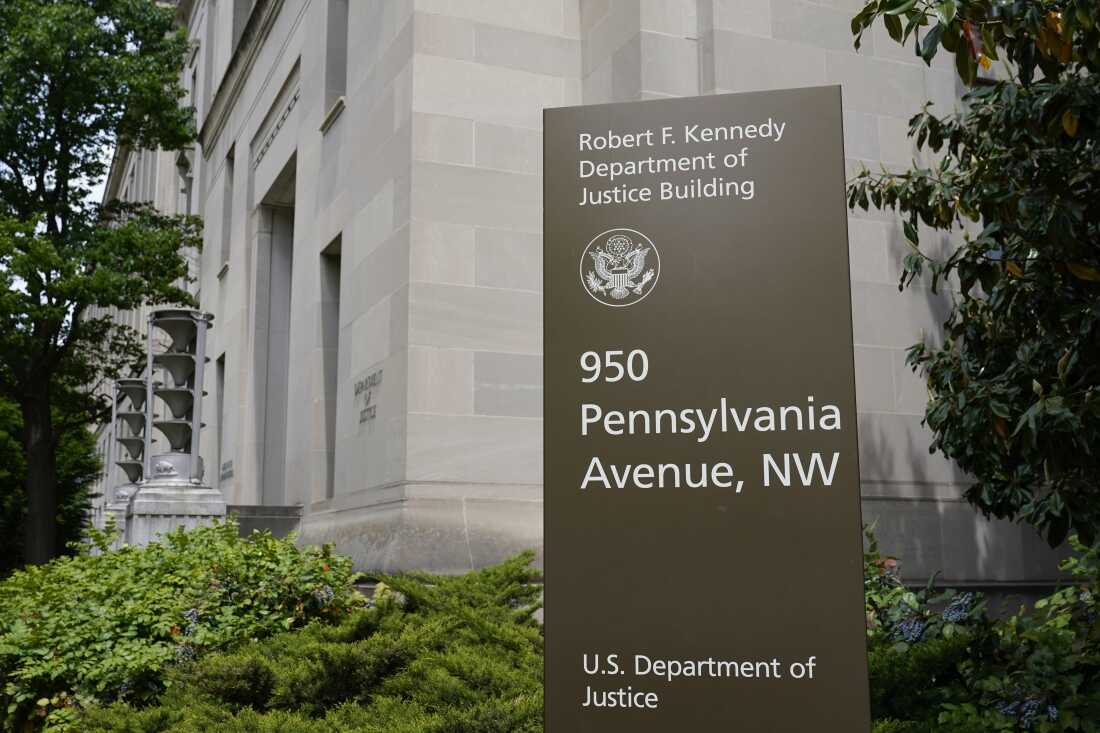
The recent release of a memo by the Justice Department has ignited concerns among disability advocates and families about the future of civil rights protections for Americans with disabilities. The Office of Legal Counsel issued an opinion stating that states are not required to provide in-home or community-based care for those with disabilities. These services have allowed many disabled individuals to remain engaged with their communities, living among family and friends.
Alison Barkoff, a health law and policy professor at George Washington University, highlighted the impact of this change. She noted, “It is now the position of the United States government that people with disabilities don’t have a right to be part of their communities.” This shift in position could lead resource-strapped states to reduce or eliminate services, potentially forcing a return to institutionalization.
Advocacy groups have responded strongly. The American Association of People with Disabilities stated, “As America prepares to celebrate 250 years of independence, [this memo] threatens to drag our nation back to a dark and shameful era.” Shira Wakschlag of The Arc of the United States echoed this sentiment, stressing that individuals shouldn’t be institutionalized due to lack of state support.
Legal Implications
The memo questions existing law interpretations. For years, Section 504 of the Rehabilitation Act and Title II of the Americans with Disabilities Act have been understood to ensure services in the most integrated settings. A pivotal case, Olmstead v. L.C., established the legal responsibility to integrate disabled individuals into communities instead of institutionalizing them.
The memo’s author, Lanora Pettit, argues that the federal law doesn’t impose an “integration mandate” requiring community services. She further states the Olmstead decision “held only that a state cannot institutionalize such patients without justification,” leaving the criteria for adequate justification unclear.
The Broader Context
The memo aligns with earlier efforts under President Trump, such as a 2025 executive order addressing homelessness through institutionalization. The executive order suggested resolving homelessness by increasing civil commitment for humane treatment.
Challenges to large-scale institutionalization remain, including federal laws mandating community services and a shortage of specialized facility beds. Recent Medicaid cuts also impact funding for community-based services, forcing states to reconsider support structures.
Barkoff argues that the Olmstead decision effectively provides stable housing and services to homeless populations, contradicting claims linking chronic homelessness to community service mandates. The memo arrives alongside concerns over changes to federal administration of special education, potentially shifting enforcement of civil rights for individuals with disabilities.