Key Insights on the 2026 Midterm Elections
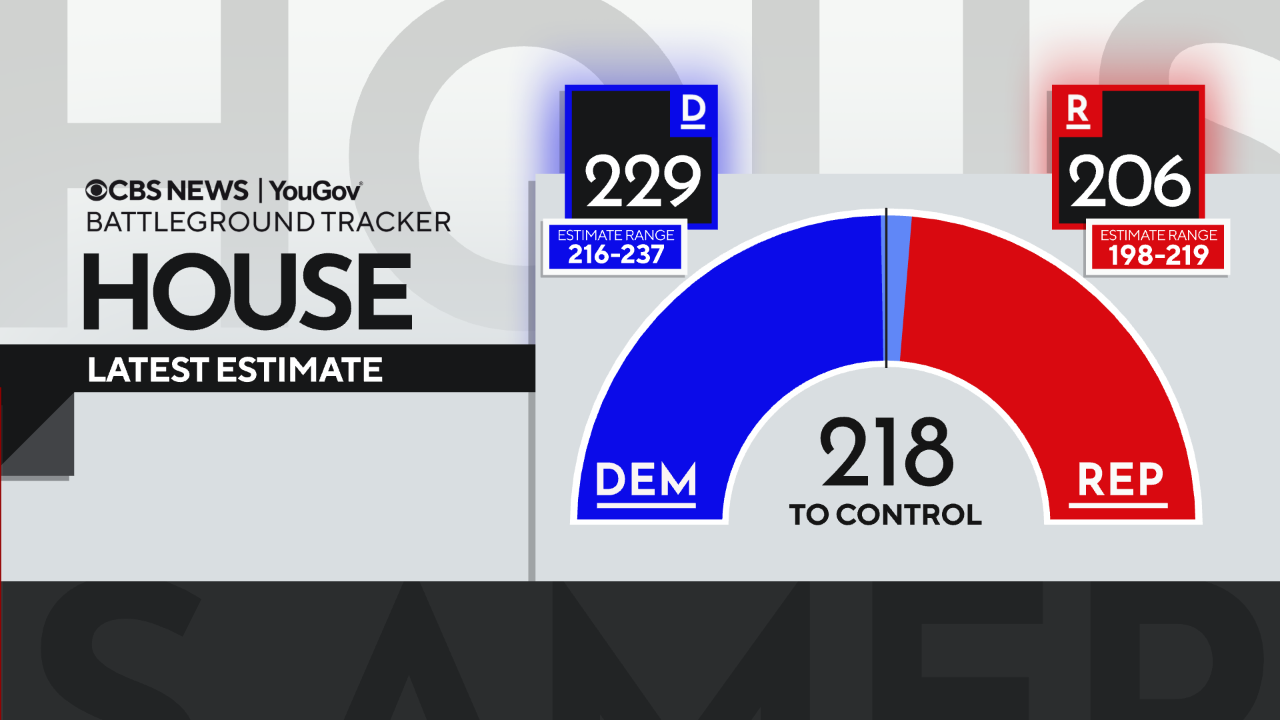
The CBS News House model suggests that Democrats hold a slight edge in the race for a majority in the House of Representatives. This slight lead is tied to opposition against Trump administration policies, as well as a lower anticipated turnout from Republican voters.
10 Key Factors for the Midterms
1. House Seats vs. Polling Preference
The focus of the election is on securing House seats, not polling preferences.
2. Economic Concerns Centered on Prices
While GDP, jobs, and mortgage rates are discussed frequently, voters primarily assess the economy based on prices. Since the pandemic, many feel that Trump’s policies have influenced rising food and grocery costs. Voters blame the Iran conflict for higher gas prices and express that the administration hasn’t prioritized cost reduction. Democrats are favored by those struggling with price increases.
3. GOP Voting Impacted by Price Dissatisfaction
Dissatisfaction with current prices may affect Republican turnout. Reluctant Republicans, dissatisfied with Trump’s approach to inflation, are less inclined to vote. Those frustrated with GOP candidates’ lack of focus on the cost of living also show reduced voting intent. Disappointment with Trump’s performance further decreases voting likelihood among Republicans.
4. Accountability for the Economy
Voters hold Trump administration policies more accountable than those of former President Joe Biden for the current economic state.
5. Hispanic Voters as Key Decision-Makers
Hispanic voters hold significant sway in the election outcome. The percentage of likely Hispanic voters supporting Republicans is lower than in 2024. Their views mirror those of the general electorate, emphasizing economy and immigration. They perceive an unequal application of ICE deportation policies.
6. Necessity for Republican Candidate Alignment with Trump
More voters oppose Trump than support him. Republican candidates highlighting their differences from Trump’s administration may gain favor. On certain issues, like transgender athletes’ participation in sports, voters lean Republican.
7. Democratic Candidate Expectations
Democrats are more vocal on living costs compared to their Republican counterparts. Neither party is viewed positively overall, leading to a preference for candidates who show some independence from the party line.
8. Democratic Turnout Challenges
The Democrats’ success hinges on younger voter turnout. Although older voters are more consistent in voting, motivating younger voters remains crucial.
9. Iran War’s Influence on Voter Decisions
Calls from Republican candidates to end the Iran conflict align with voter preferences, including a significant portion of Republicans. The perception that the conflict has raised gas prices favors Democrats in the House race.
10. AI’s Economic and Political Role
In 2026, AI introduces economic challenges, with voters fearing job losses. Candidates advocating for restrictive AI policies attract voter support, predominantly favoring Democrats.
This survey, conducted by CBS News/YouGov with 2,166 U.S. adults from September 30 to October 2, 2026, reports a ±2.5-point margin of error. The CBS News and YouGov model incorporates multiple data points to project outcomes, acknowledging potential statistical errors and variability.