L.A. Metro D Line Extension and Its Impact on Urban Connectivity
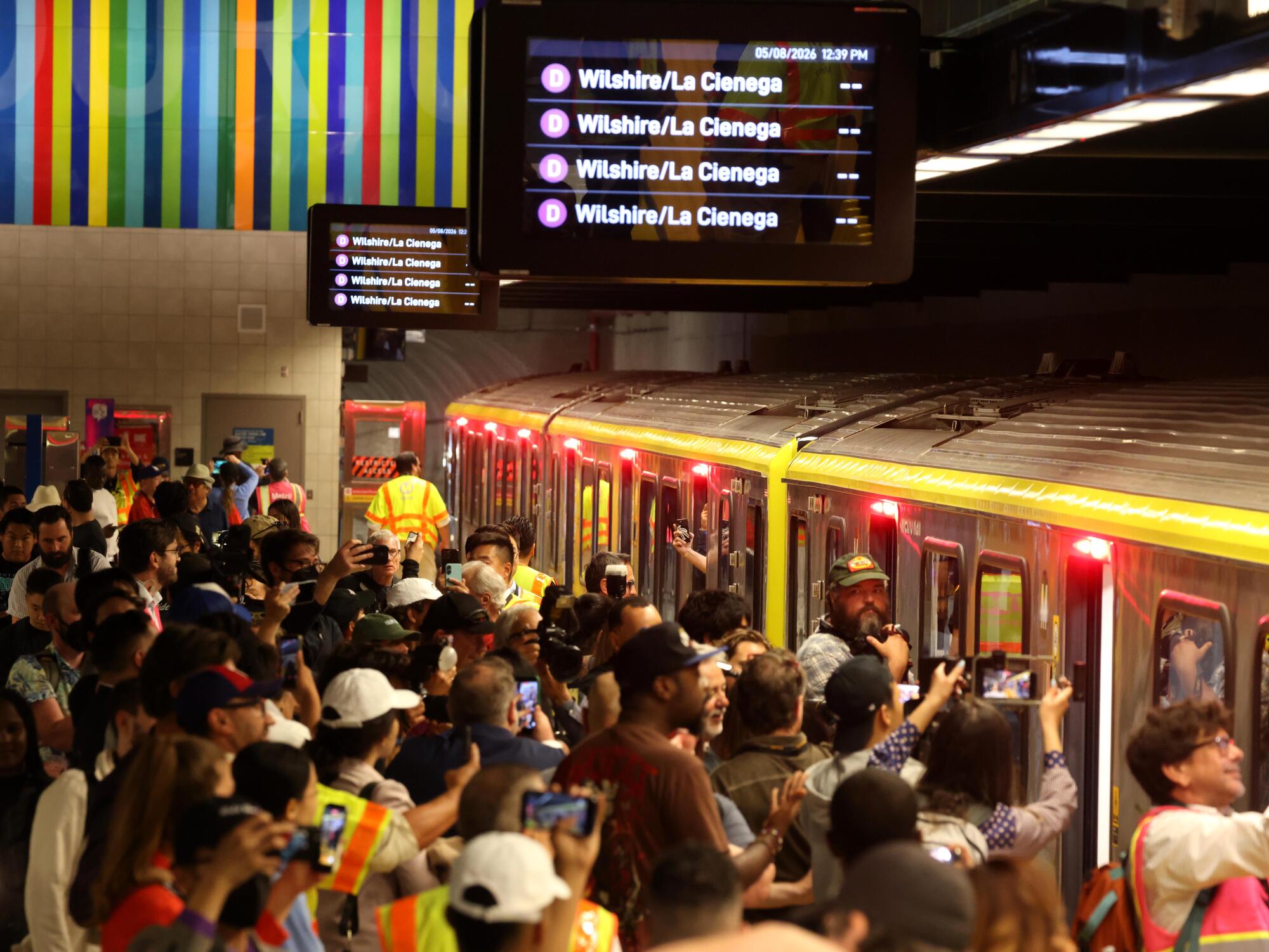
The Westside subway extension has long been Los Angeles’s ambitious urban dream, an infrastructure project aimed at enhancing city connectivity. For decades, progress on this project had stalled. However, the first extension has now become a reality, marking an important shift. Recent additions to the Metro D Line include new stations at Wilshire/La Brea, Wilshire/Fairfax, and Wilshire/La Cienega.
As a result, the city feels different. While not entirely transformed, there is a greater sense of connectivity. These changes loosen the grip of the city’s challenging expanses, clogged roadways, and stagnant governance, which have been barriers to civic life. The new subway stops contribute to the city’s cohesion, providing a critical mass of movement that connects areas previously isolated.
Integration of Art and Architecture
Improvements are not limited to underground subway design. The stations embody a cohesive experience where art, architecture, and infrastructure blend seamlessly. This represents Metro’s evolved design approach and commitment to public art.
Outdoor spaces, however, tell a different story. The plazas above ground lack the textured civic presence that the stations below have achieved.
Before descending into these stations, one might appreciate their existence against the background of historical challenges, including a methane explosion, legal issues, and multiple delays. The stations showcase a clever design where art is not merely decoration but integrated into the infrastructure itself. For instance, lighting and art contribute to the ambiance, forming a unified environment that simplifies navigation.
The incorporation of art builds on the Metro Art program, which has been commissioning artworks for over four decades. This effort has resulted in more than 200 artworks, enhancing numerous stations’ interiors. Notable examples include Fran Siegel’s artwork at the Wilshire/La Brea Metro station.
Historical Examples in Art and Design
Metro’s past efforts have created unique spaces. For instance, Santa Monica/Vermont station, unveiled in 1999, features a distinct stainless steel wing canopy and evocative lighting designs. Another example is Pershing Square station’s neon sculptures by Stephen Antonakos, providing a captivating visual attraction.
Although these historical stations were marked by uneven quality and maintenance, they tended to favor wild architectural creativity. In contrast, modern stations prioritize cohesion and user-friendliness, marked by updated, human-scale designs that still celebrate art.
The recent extension of Metro D Line reflects a more harmonious balance between art and functional design. Local and global architectural firms have contributed to this significant evolution.
Art in the New Stations
Wilshire/La Brea station features Eamon Ore-Giron’s “Infinite Landscape: Los Angeles Para Siempre,” embodying geometric forms and vivid colors reflecting Wilshire’s Art Deco influences. Similarly, Mark Dean Veca’s “Miracle of La Brea” at the same location showcases motifs resonant with nearby landmarks, providing a melding of patterns and practical design.
Infrastructure now subtly takes on artistic forms, highlighting the engineering achievement of establishing a subway beneath one of Los Angeles’s dense and congested areas. Design improvements enhance user experience, with consistent lighting, textured surfaces, and spacious layouts promoting safety and ease of navigation.
Above Ground Challenges
However, the above-ground plazas accompanying the stations lack the same vibrancy. These spaces often appear barren, with insufficient seating, shade, or design elements encouraging people to gather and linger.
Metro aims to create accessible public spaces, yet these areas seem to avoid complexity and public congregation. This approach can result in missed opportunities for bringing community life into these newly accessible zones.
Ongoing Service and Accessibility Issues
Service reliability and accessibility remain concerns. Trains aren’t consistently crowded, yet waiting times can hinder the convenience expected by riders. Additionally, last-mile connectivity challenges persist, presenting obstacles for those who don’t live in proximity to the stations.
Metro aims to cater to individuals reliant on public transit. Nevertheless, ensuring that the system appeals to a broader audience remains essential for growth.
Future Opportunities for Urban Collaboration
The D Line extension has achieved significant milestones, reshaping areas like the Miracle Mile into a more connected section of the city. This project underscores Metro’s capacity to transform urban landscapes at scales other entities struggle to match.
To fully realize the potential of these stations, collaboration between Metro, local government, developers, and communities is crucial. While Los Angeles can artistically design infrastructure underground, above ground progress needs to align with the city’s vision for connected urban spaces.