Challenges Facing Olvera Street Amid Historical Legacy
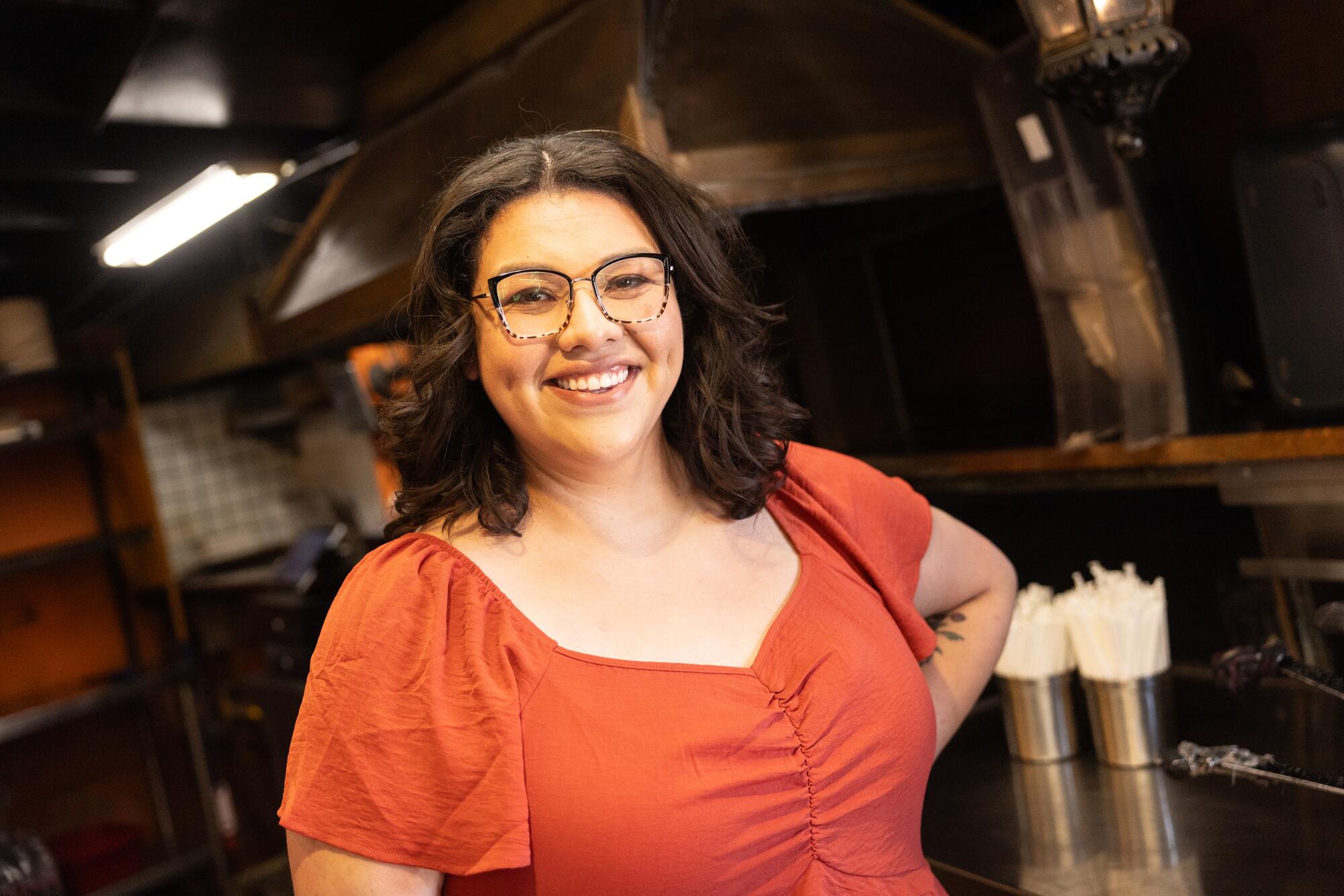
In April, a troubling discovery emerged at Cielito Lindo, a historic Mexican American restaurant on Olvera Street. An anonymous tip led manager Liliana Robertson to uncover employees skimming $600 per shift. Records confirmed the theft, resulting in employee terminations. Subsequently, Robertson and her cousins closed the restaurant on May 12 due to staffing issues and electrical problems.
Olvera Street, where Los Angeles was born in 1781, hosts family-owned businesses and restaurants since the 1930s. Founded in 1937 by Aurora Guerrero, Robertson’s great-grandmother, Cielito Lindo is famous for its taquitos with avocado salsa. The bright marigold-yellow stand drew tourists, Dodger fans, and late-night crowds for years.
However, affected by declining visitor numbers, rising costs, and rent issues, Cielito Lindo is among several Mexican-owned businesses struggling on Olvera Street. The cobblestone street, lined with Mexican crafts and souvenirs, remains mostly quiet during weekdays.
Christine Sterling, a San Francisco socialite, played a significant role in transforming and naming Olvera Street after Judge Agustín Olvera. In 1929, Sterling mobilized efforts to renovate the street, turning it into a cultural and commercial center embracing Spanish and Mexican heritage.
Cielito Lindo, along with La Luz del Día, became part of the cultural hub. The decline of foot traffic started several years before the pandemic, worsened by dwindling employee presence in federal offices, a growing homeless population, and recent ICE raids and protests.
Before COVID-19, Olvera Street drew 1-2 million visitors annually. That figure now ranges between 300,000-500,000 visitors, leading to widespread financial hardships for merchants. Many businesses close early due to low customer footfall, and some long-standing establishments have closed permanently.
Legacy businesses face challenges beyond low sales, such as maintenance costs for aging buildings. Vendors cite safety concerns related to the homeless population nearby. To address these issues, El Pueblo collaborates with the LAPD for security and patrols.
Plans are underway for sustainable changes to attract visitors. Initiatives include cultural events, like the El Pueblo de Los Angeles Heritage Festival, and market nights featuring music and art. Queer Mercado now hosts events on Olvera Street.
Efforts to fill empty storefronts aim to diversify retail offerings. Merchants promote legacy businesses online to boost awareness of their cultural significance. Berber, of La Luz del Día, emphasizes preserving immigrant stories linked to Olvera Street.
Despite sharing stories online increasing attention, sales remain insufficient. Much effort focuses on grant funding and collaborations with the City Council and mayor to alleviate vendor debts. Adaptation to modern business practices is crucial for survival.
For legacy families, sustaining business operations is a fight to preserve culture and heritage. Berber stresses the importance of staying on Olvera Street to maintain historical and cultural continuity.