Legal Maneuvers in Idaho and Ohio Murder Cases
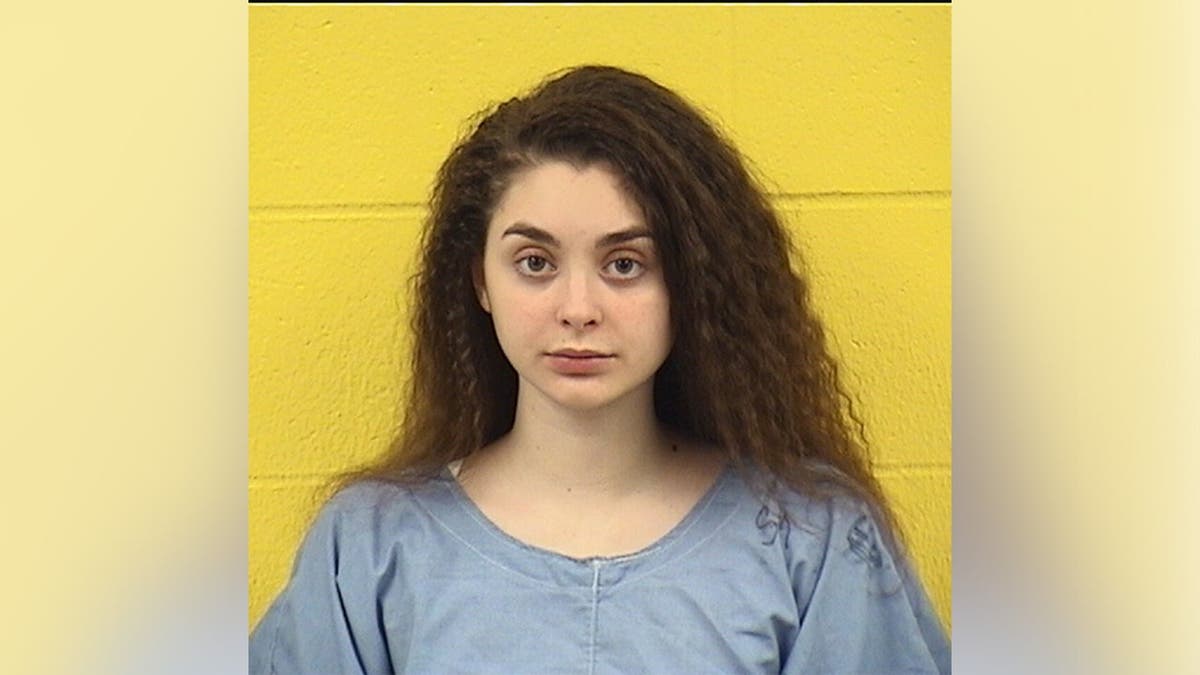
Bryan Kohberger’s Case
Bryan Kohberger, charged with murdering four University of Idaho students, is attempting to retract his guilty plea. He filed a post-conviction petition citing ineffective legal representation, coercion, misinformation, and unkept promises as reasons for seeking a new trial. The families of the victims, including Kaylee Goncalves’ mother, expressed disappointment but were not surprised by this legal tactic.
Mackenzie Shirilla’s Legal Struggles
In a separate case, Mackenzie Shirilla faced another setback when the Ohio Supreme Court refused her attorneys’ request to reconsider a decision. Shirilla, serving two sentences of 15 years to life for the murder of her boyfriend and friend, was accused of deliberately crashing her car into a building in Strongsville, Ohio, in 2022.
The court denied the motion for reconsideration following the June 23 decision not to review her case. As a result, the lower court’s ruling that her postconviction challenge was filed one day too late remains in place.
Arguments and Evidence
Shirilla’s attorneys claimed confusion over filing deadlines due to a calendar mistake related to the 2024 leap year led to the missed deadline. Her postconviction claims argued insufficient legal assistance, specifically that her lawyers did not adequately investigate evidence that she suffered from Postural Orthostatic Tachycardia Syndrome (POTS). Her defense suggested this condition might have caused Shirilla to lose consciousness before the crash, potentially explaining her failure to brake.
Despite the defense mentioning the condition briefly at trial, they argued it was not fully addressed, even after notifying her attorneys.
Court Rulings and Legal Grounds
The focus of recent court decisions has been on the timing of Shirilla’s petition rather than the postconviction claims themselves. Ohio law requires that such petitions be filed within 365 days after the trial transcript is filed in the court of appeals. Shirilla filed her petition on the 366th day, and her arguments about timeline discrepancies were dismissed by the appellate court. The court referenced the “trial transcript” as opposed to supplementary juvenile-hearing transcripts and stipulated 365 days, countering Shirilla’s leap year argument.
Shirilla sought the Ohio Supreme Court’s review, but they declined jurisdiction initially on June 23. Her legal team requested reconsideration, which was denied.
Shirilla’s case gained renewed public interest following the release of Netflix’s documentary “The Crash.” She was trialed and convicted in 2023 of intentional vehicular homicide among other charges. Prosecutors argued Shirilla used the crash to end a toxic relationship with her boyfriend, Dominic Russo, leading to unintended victim Davion Flanagan’s death.
Shirilla still maintains the crash was unforeseen. Her convictions were sustained in a direct appeal.