Legal Questions Surround President Trump’s Cash Gifts and Pledge
Accusations Against President Trump
President Donald Trump is facing accusations of violating a federal criminal statute twice in recent days. Evaluations by legal experts are drawing attention to his monetary gifts to White House aides, and a proposal to send $5,000 checks to Americans should Republicans maintain congressional control in November’s midterm elections. These allegations focus on two sections of Title 18 of the United States Code.
Cash Gifts to Aides Under Scrutiny
Reports have revealed Trump’s holiday cash gifts totaling $45,000 to executive assistant Natalie Harp, communications adviser Margo Martin, and deputy director of Oval Office operations Chamberlain Harris. Oval Office operations director Walt Nauta received $20,000. These payments have sparked criticism, with claims that they breach statute 18 U.S.C. § 209. This section is designed to prevent executive branch employees from receiving financial compensation from any non-governmental source.
Ethics experts, such as Richard Painter, indicated that the payments resemble salary rather than gifts. He suggested the gifts might have political consequences for Trump, including possible impeachment. Nevertheless, the White House claims these gifts were unrelated to official duties, describing them as permissible under existing legal and ethical standards.
The $5,000 Check Promise and its Legal Implications
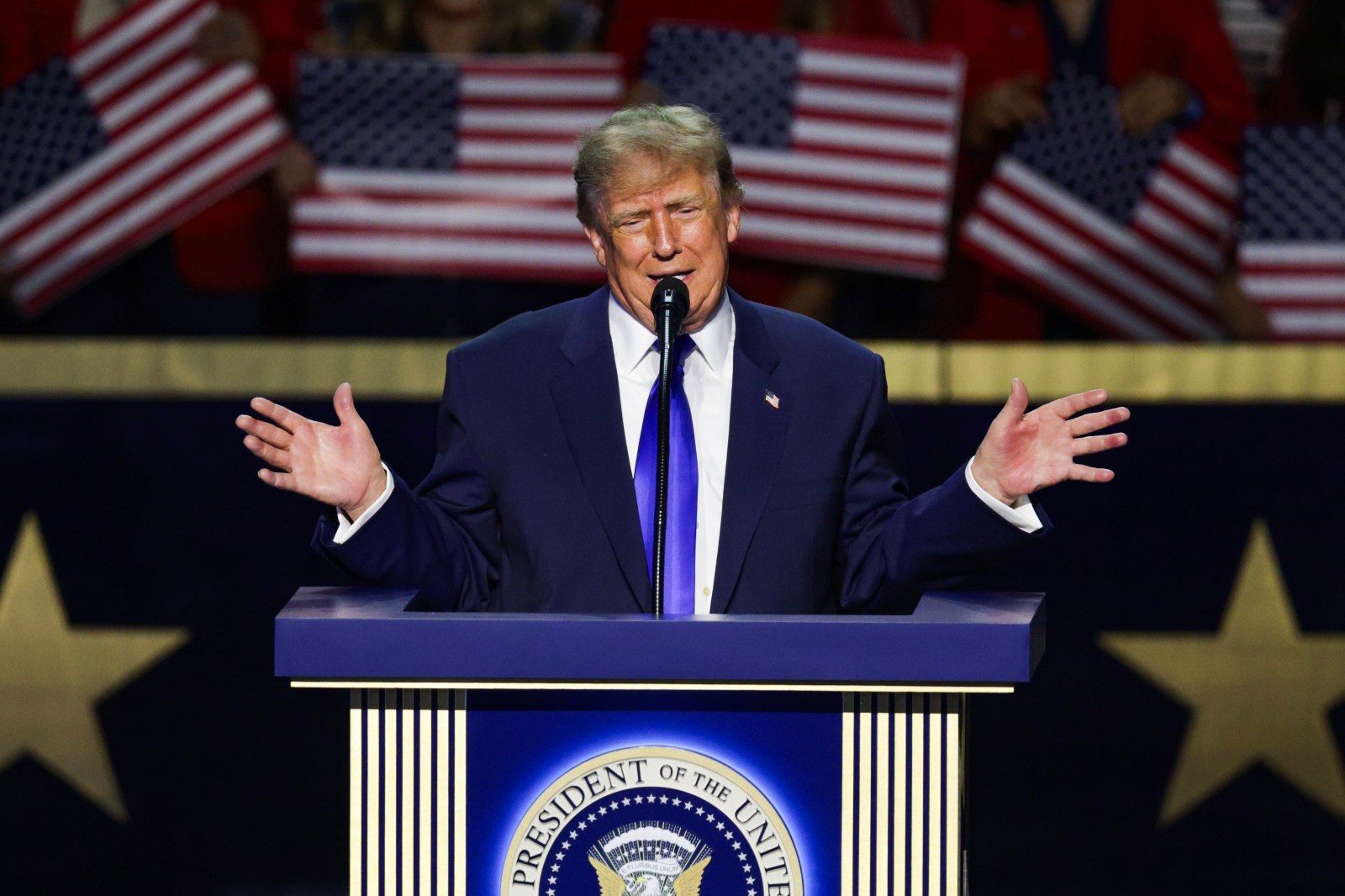
During a GOP convention in Dallas, President Trump vowed to issue $5,000 to every adult American if Republicans won both the House and Senate. He justified this by citing national economic health, likening it to shareholder dividends.
Legal experts expressed concerns, arguing that this might conflict with 18 U.S.C. § 597, which prohibits expenditures made to influence voting behavior. Yet, some insisted the pledge would be lawful, as it applies to all citizens regardless of voting choice. New Mexico attorney John Day views it as a campaign promise.
In response, critics, including Democrats, dismissed the pledge. They accused Trump of attempting to sway votes through monetary incentives, with California Governor Gavin Newsom calling it an attempt to buy voters using taxpayer funds.