Lindsay Clancy Murder Trial Developments
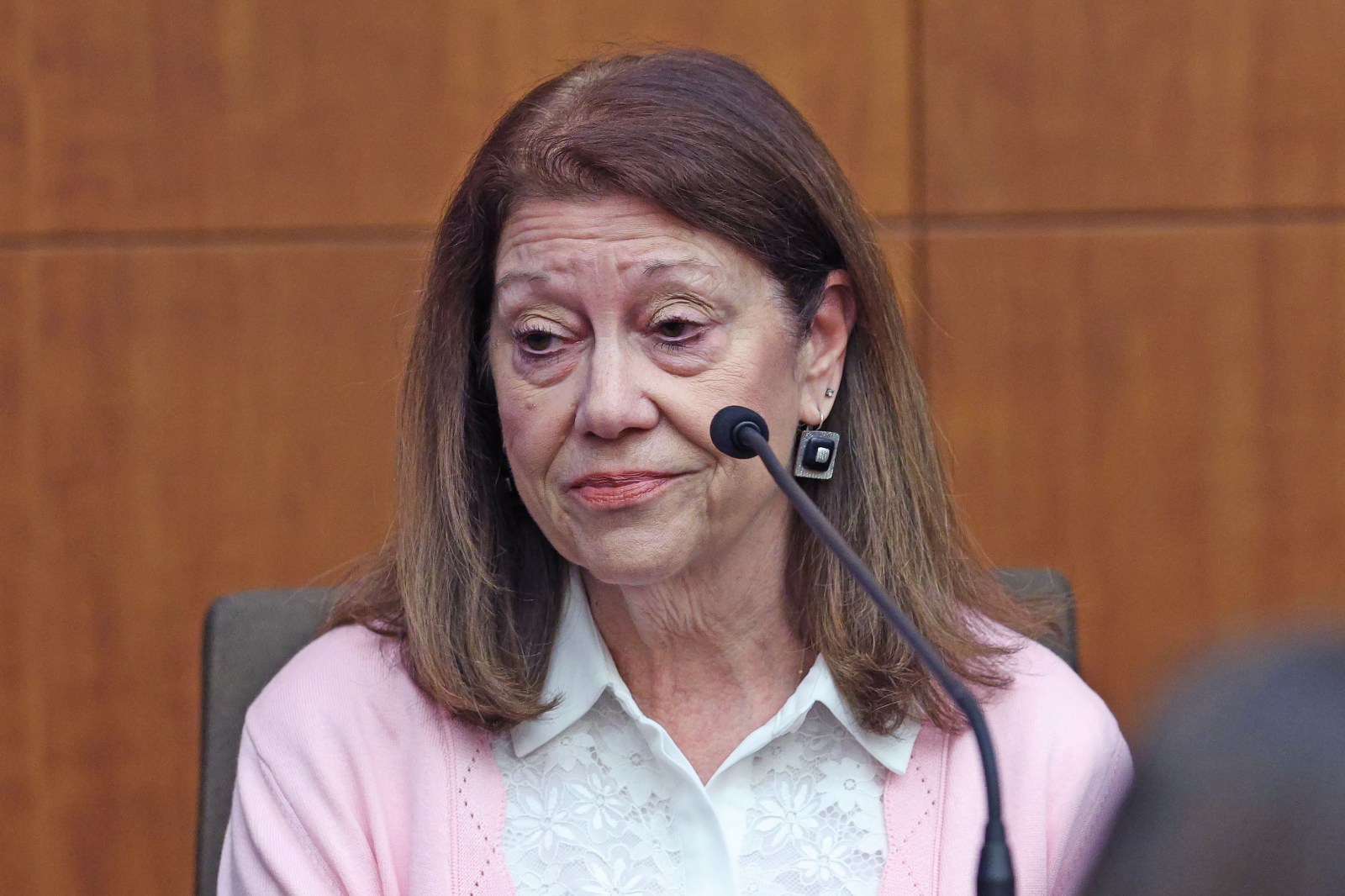
After presenting the testimony of over 70 witnesses in roughly three weeks, prosecutors in the emotionally charged Lindsay Clancy murder trial concluded their case on Monday. The prosecution’s final witness was digital-forensics expert Ian Whiffin, who testified before prosecutors rested around 11:20 a.m. Testimonies included statements from Clancy’s husband, first responders, medical examiners, friends, former colleagues, and mental-health professionals. Subsequently, the defense began its presentation.
Clancy’s defense attorney, Kevin Reddington, is not questioning Lindsay’s responsibility for the deaths of her three children, Cora, Dawson, and Callan. Instead, the defense argues that Lindsay was acutely mentally ill, suffering from postpartum psychosis and bipolar disorder, which should exempt her from criminal liability. Monday’s testimony laid the groundwork for this argument while prosecutors identified potential weaknesses in the defense’s case.
Lindsay’s Mother Testifies
Perhaps the most impactful testimony came from Lindsay’s mother, Paula Musgrove. Musgrove stated that Lindsay expressed having thoughts of harming her children during a conversation with her parents. This admission is crucial for the defense as it suggests the presence of alarming thoughts weeks before the children’s deaths. Musgrove noted that Lindsay did not express intentions to act on those thoughts, a distinction likely to influence the jury’s considerations.
Lindsay’s Sister’s Testimony on Suicidal Thoughts
Lindsay’s sister, Allison Ozga, provided further insight into Lindsay’s mental decline. She reported observing noticeable changes in Lindsay’s behavior starting in fall 2022. Around Thanksgiving, Ozga observed her sister appearing numb and hopeless. Ozga noted Lindsay’s daily suicidal thoughts throughout December 2022, suggesting the onset of her struggles began in November, months before the incident.
Despite Lindsay’s darker thoughts, Ozga did not consider her sister a danger to herself or her children at that time. Ozga added that Lindsay seemed improved after being hospitalized at McLean and had voiced trust in her treatment plan.
Search History for ‘Postpartum Psychosis’
Digital evidence was also presented. According to Ian Whiffin, Lindsay searched for terms related to postpartum psychosis five days before her children were killed. These searches, which included symptoms of psychosis and psychiatric medications, are central to the case. While the prosecution posits premeditated intent, the defense claims these searches indicate Lindsay’s awareness of her deteriorating mental state.
Medication Concerns
Paula Musgrove also testified about Lindsay’s struggles with psychiatric medications, which Lindsay claimed were harming her mind. The defense maintains that improper psychiatric medication treatment contributed to Lindsay’s crisis. Musgrove’s account aims to build a timeline of Lindsay’s declining mental health prior to the tragic event.
Prosecutors Challenge Family Awareness
In cross-examination, prosecutors questioned why no action was taken to protect the children if Lindsay had expressed such thoughts. Musgrove explained she did not consider Lindsay an immediate threat, especially since she was present to provide support. The prosecution uses this to illustrate the complex nature of recognizing mental illness and immediate danger.
GoFundMe Campaign
Outside the courtroom, a GoFundMe campaign for Lindsay’s parents, Mike and Paula Musgrove, continues to gain attention. The campaign, initiated by a TikTok personality with approval from Mike Musgrove, has raised over $800,000 to support them through the trial.
Next Steps
The defense will continue by calling medical and mental-health experts to substantiate claims of Lindsay’s postpartum psychosis. Subsequently, the prosecution may present rebuttal witnesses. After both sides rest, closing arguments will lead to jury deliberations. If found guilty of murder, Lindsay faces life imprisonment without parole. Alternatively, a not criminally responsible verdict due to mental illness could result in commitment to a psychiatric facility under Massachusetts law.