Lindsay Clancy Murder Trial: Key Testimonies and Evidence
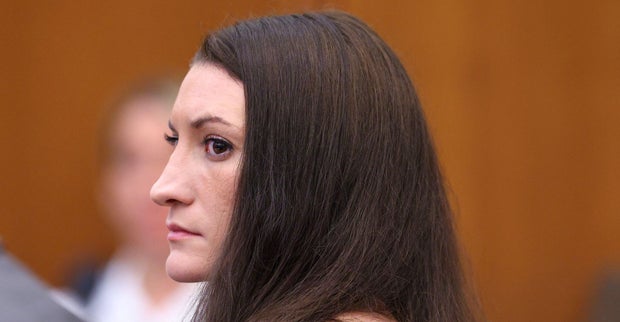
Jurors in the trial of Lindsay Clancy have been listening to weeks of testimony as the case unfolds. Prosecutors aim to hold the Massachusetts mother accountable for the deaths of her three young children in 2023. Clancy, aged 36, is charged with murder, yet she maintains her plea of not guilty. Her legal team does not dispute her role in the tragic deaths of Cora, aged 5, Dawson, aged 3, and Callan, aged 8 months, at their Duxbury home on January 24, 2023. Instead, they argue that Clancy faced postpartum psychosis and bipolar disorder and was overmedicated. The prosecution contends that Clancy crafted a plan to commit the murders, pretending to stage a suicide attempt afterward.
Key Moments From the Trial
Testimony From Lindsay Clancy’s Mother
On August 17, Clancy’s mother, Paula Musgrove, took the stand to support her daughter’s defense. She recounted a conversation from December 2022 with Lindsay and Patrick Clancy, Lindsay’s husband at the time, where Lindsay expressed anxiety and a disturbing confession.
“She told us she had thoughts of harming the children,” Musgrove stated.
During a cross-examination, prosecutor Jennifer Sprague inquired whether Musgrove considered her grandchildren’s safety or thought about hospitalizing Lindsay for mental health treatment. Musgrove admitted she had not. She shared that in the days preceding the tragedy, Lindsay displayed paranoia and memory lapses.
Lindsay mentioned, “This isn’t me. I just want to feel better and enjoy my kids again.” Musgrove added, “The medication was destroying her mind.”
Court Examination of Lindsay Clancy’s Writings
The jury reviewed Lindsay Clancy’s digital entries, which included internet searches and personal reflections saved in her phone’s notes app. Massachusetts State Police Detective Timothy Chiappini read one entry aloud on August 13:
“I’m sad and depressed because I am not able to parent my third child like my first.”
These writings hinted at Clancy’s internal conflict regarding her medical treatments. Chiappini also revealed a search query where Clancy questioned, “Can you treat a sociopath?” conducted four days prior to the children’s deaths. Her attorney, Kevin Reddington, pointed out other searches suggesting anxiety about severe harm and fear of mental health conditions.
Some searches included topics such as “how to slit your throat to die,” and disabling safety features in a car like her own Kia Sorento. Queries made in the same month of the murders included terms like “schizophrenia,” “hallucinations,” and “intrusive.”
Lindsay Clancy’s Emotional Breakdown in Court
On August 12, Clancy displayed deep distress during testimonies from a medical examiner about her children’s injuries. Overwhelmed, she sobbed loudly in the courtroom.
“I can’t do it,” Clancy exclaimed before being removed from the room. She is paralyzed below the waist following a fall from a second story after her children’s deaths.
These emotional displays prompted Judge William Sullivan to give the jury specific instructions. He reminded them of their duty to remain objective and evaluate evidence without emotional influence.
“The law requires you to separate emotional reactions from evidence evaluation,” Sullivan asserted.
Testimony From Clancy’s Psychiatrist
Dr. Jennifer Tufts, Clancy’s psychiatrist, offered insights into their interactions. Over several months, they met online 14 times, with their last session occurring the day before the killings.
Tufts stated that she never observed psychotic symptoms in Clancy. Responding to Reddington’s questions, Tufts reported not being aware of Clancy’s harmful thoughts towards her children. She expressed significant concern had she known about these thoughts.
Tufts reported Clancy’s feelings of numbness and insomnia, also sharing Clancy’s reluctance towards medications despite attempts to find a suitable combination. Tufts had prescribed Zoloft to Clancy, an antidepressant known for a warning regarding increased suicidal thoughts or actions in people under 24. However, Tufts testified, “I don’t believe there’s evidence it causes that in those over 24.”
If you or someone else faces emotional distress, the 988 Suicide & Crisis Lifeline is available by calling or texting 988. For more mental health resources, contact the National Alliance on Mental Illness (NAMI) HelpLine at 1-800-950-NAMI (6264), or email [email protected].