Lindsay Clancy Murder Trial: Medication Struggles and Mental Health Discussions
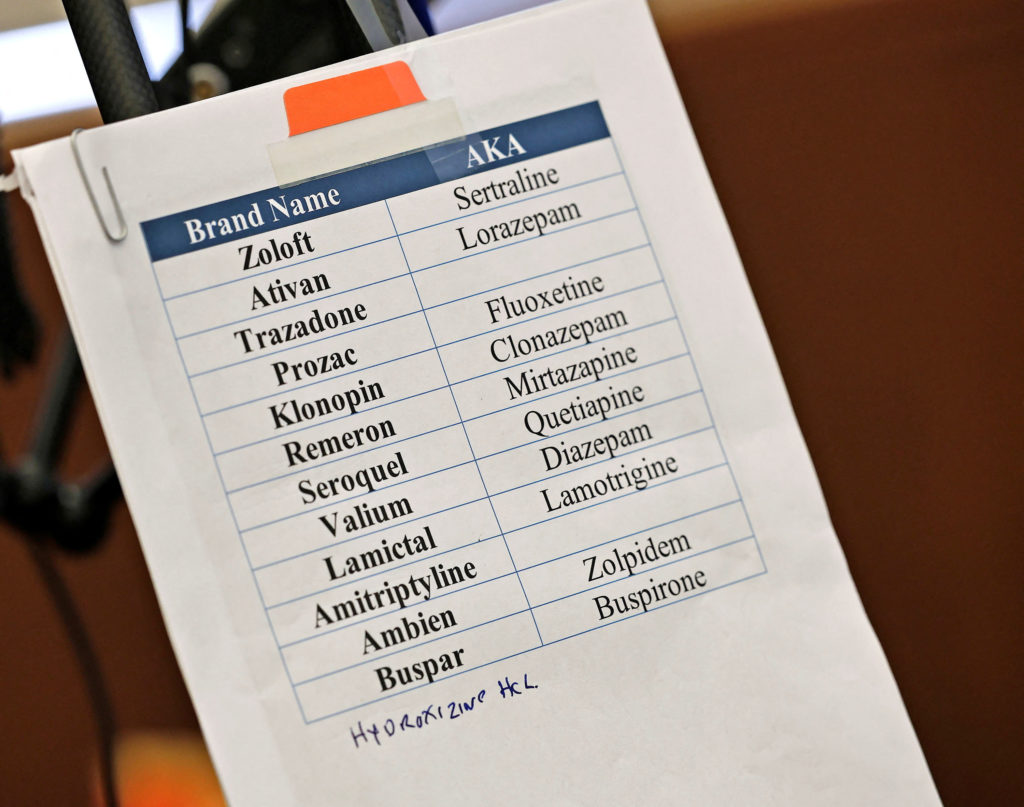
The trial of Lindsay Clancy, accused of murdering her three children, has brought attention to mental health struggles and medication challenges before the tragic event in 2023. Clancy’s communications with her caregiver, Rebecca Jollotta, included reports of severe intrusive thoughts, hopelessness, and concerns about medication addiction.
Intrusive Thoughts and Medication Concerns
In messages shared during the trial, Clancy expressed difficulty with sleep and depressive symptoms, seeking the right medications. Some side effects were intolerable, leading her to frequently adjust her medication regimen. She worried about addiction to medications like Ativan, though Jollotta, a psychiatric nurse practitioner, reassured her this was not the case.
Clancy particularly struggled with Remeron, an antidepressant, describing the onset of intrusive thoughts that she hadn’t experienced before. Jollotta advised her that such thoughts could stem from postpartum anxiety and encouraged patience with the medication.
Treatment and Communication Challenges
Throughout her treatment, Clancy had autonomy in whether to follow Jollotta’s recommendations for medication and therapy. Despite regular communication, Clancy never voiced intentions of self-harm or harm to others. However, she did report suicidal thoughts.
Concerns about underlying bipolar disorder were raised due to Clancy’s reported inability to sleep for days. Despite this possibility, Patrick Clancy denied such a diagnosis.
Suicidal Thoughts and Hospital Discharge
Clancy’s mental state led to a hospital recommendation in mid-December after persistent suicidal thoughts. She was admitted to Women and Infants Hospital in Rhode Island, only to be discharged with advice to discontinue one antipsychotic. Jollotta was apprehensive about the discharge, fearing it would destabilize Clancy’s mood further.
Clancy chose to taper off Seroquel, an antipsychotic, against warnings of potential mood and sleep issues. Her attorney, Kevin Reddington, highlighted gaps in communication among her healthcare providers, including a lack of direct contact between Jollotta and Clancy’s psychiatrist, Jennifer Tufts.
Trial and Defense
Clancy pleaded not guilty to the murder charges but does not deny the acts. Her defense argues mental illness, including postpartum psychosis and bipolar disorder, influenced her actions. This condition can severely impact a woman’s perception of reality. A forensic psychiatrist diagnosed Clancy with these disorders following the tragedy.
Prosecutors depict Clancy as a calculated killer, pushing against framing the trial as a debate on women’s mental health care. The outcome relies on whether the jury sees mental illness as a factor in the tragic events.