Lindsay Clancy Murder Trial Nears Conclusion: Key Developments and Arguments
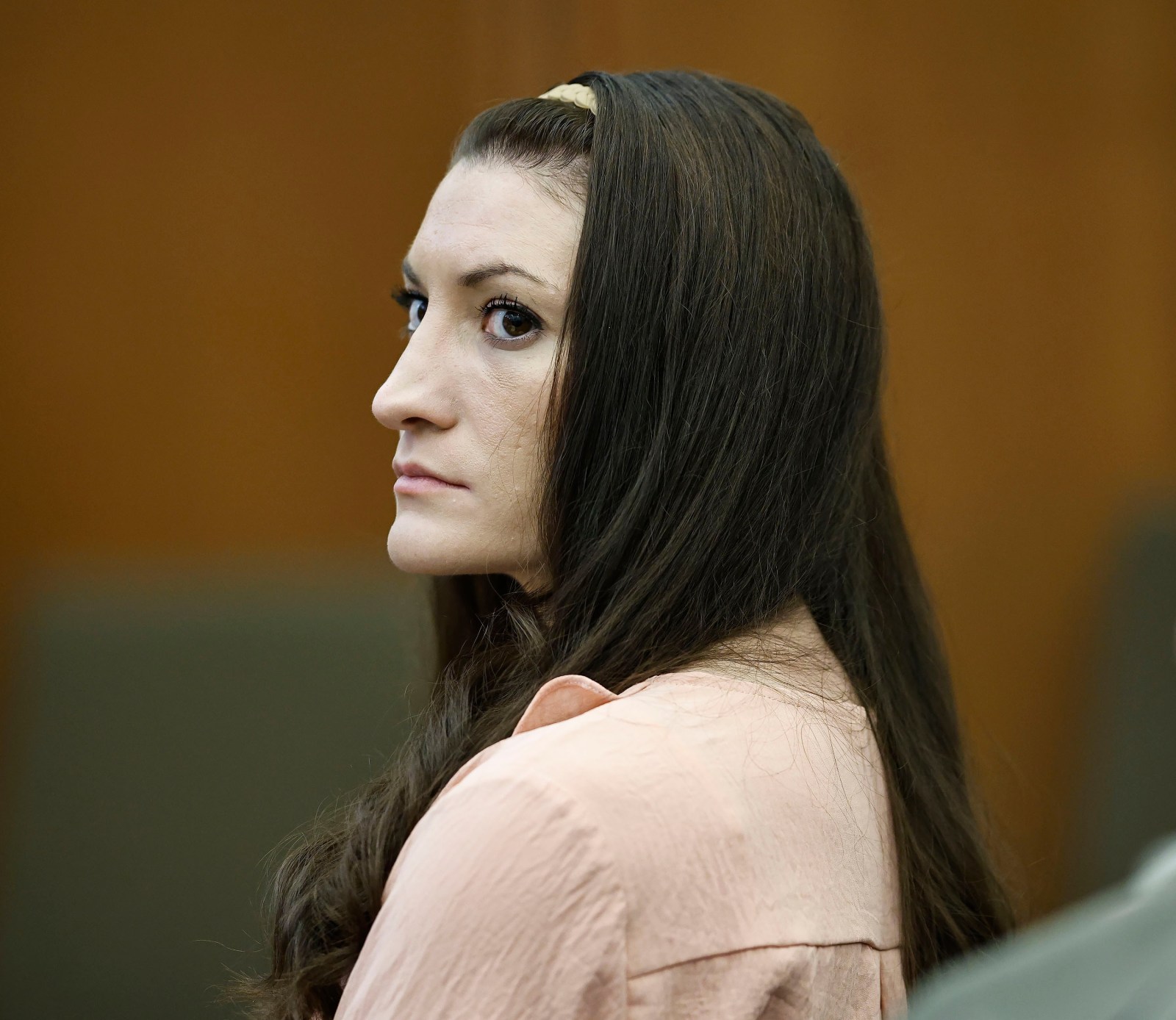
Prosecution Challenges Clancy’s Account of Hallucination
The Lindsay Clancy murder trial is in its final stages. During the trial, the prosecution’s last rebuttal witness, Dr. Gregory Saathoff, a forensic psychiatrist, disputed Clancy’s claims of hearing a male voice commanding her to kill her children. He described her accounts as “markedly inconsistent” and “very unusual.”
This testimony followed a defense motion for a mistrial, accusing prosecutors of misconduct after psychologist Dr. Kirk Heilbrun referenced Clancy’s Catholic faith. Judge William Sullivan denied the request, instructing jurors to disregard the religious references. The trial’s focus remains on understanding Clancy’s mental state during the January 24, 2023 incident. The defense argues severe postpartum mental illness made her unaccountable, while prosecutors believe she understood her actions. Closing arguments are expected soon, concluding nearly five weeks of testimony.
Defense’s Mistrial Request Denied
The mistrial request arose after Heilbrun mentioned Clancy’s Catholic background, potentially influencing the jury’s views on her legal responsibility. Judge Sullivan had to remind jurors to disregard religious references. Despite this request, proceedings continued with the prosecution challenging the defense’s claim of Clancy’s psychosis at the time of the killings.
Key Testimonies and Evidence
The defense presented Clancy’s statement of hearing a command hallucination directing her actions. However, prosecution experts, including Dr. Heilbrun and Dr. Avram Mack, found her narrative inconsistent and suggested alternative explanations such as intrusive thoughts or altruistic filicide, where Clancy’s actions were seen as acts of misguided love.
Testimonies also highlighted Clancy’s mental health treatment, attempts to seek help, and digital evidence reflecting her search history. The defense emphasized that her history of mental distress was consistent with a deteriorating mind, while the prosecution argued that she maintained functional control.
Digital Evidence and Patrick Clancy’s Testimony
Investigations of Clancy’s digital devices unveiled searches related to mental health, raising questions about her intentions. Her husband, Patrick Clancy, testified about her mental decline postpartum, but he never suspected harm to their children. This testimony serves both defense and prosecution narratives differently, depending on the interpretation of Clancy’s behavior as either mentally ill or calculating.
Emotional Moments and External Controversies
The trial included emotionally charged moments, such as detailed medical testimonies about the children’s deaths and Patrick’s emotional 911 call. An additional controversy arose when a Vanity Fair reporter faced backlash for inappropriate behavior during the trial, leading to her removal by the magazine.
Conclusion and Sentencing Possibilities
As the trial concludes, the jury must decide if Clancy’s actions were due to an uncontrollable mental illness or if she retained awareness and control. A conviction of first-degree murder may result in life imprisonment, while a verdict of not guilty due to lack of criminal responsibility could lead to psychiatric confinement. Closing arguments will encapsulate the evidence, leaving Clancy’s fate in the jury’s hands.