Lindsay Clancy Trial: Emotional Closing Arguments Move Jurors
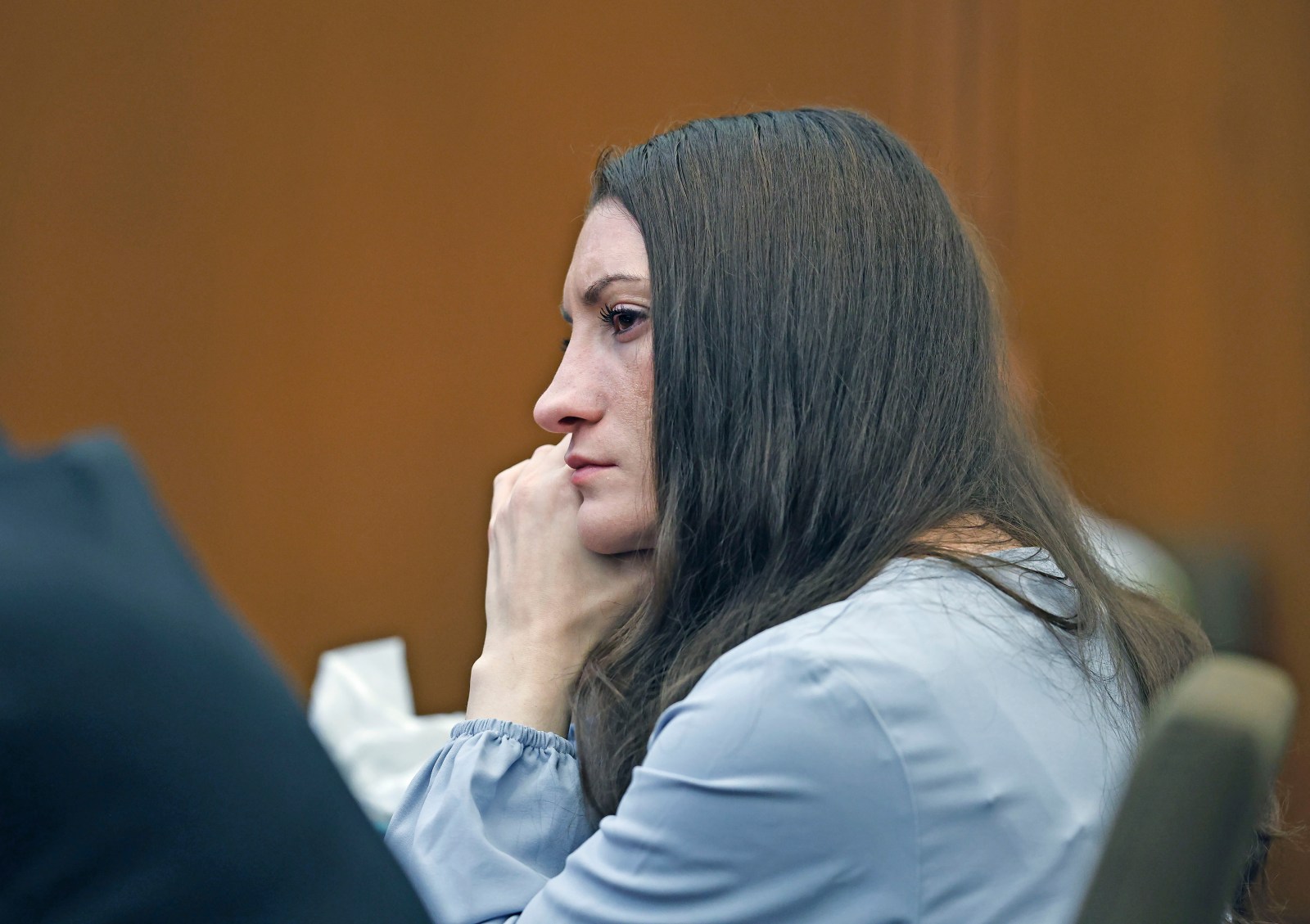
Jurors expressed visible emotion during the closing arguments of the Lindsay Clancy trial on Thursday. The defense and prosecution presented contrasting narratives regarding Clancy’s mental state at the time of the tragic incident.
Defense Argument: Mental Illness
Defense attorney Kevin Reddington portrayed Clancy as a mother suffering from postpartum psychosis, bipolar disorder, and inadequate medical treatment. He urged the jury to consider her mental deterioration, stating that her actions were a result of severe mental illness.
Throughout Reddington’s 52-minute closing argument, jurors were visibly moved, with at least two seen weeping. He emphasized Clancy’s repeated attempts to seek psychiatric help, criticizing the medical care she received.
Prosecution’s Stand: Awareness and Control
Assistant District Attorney Jennifer Sprague accepted that Clancy suffered from mental illness, yet argued that she knew her actions were wrong. She focused on the children’s experiences and accused Clancy of creating a scenario to be alone with them, questioning whether Clancy’s behavior was deliberate.
Sprague’s emotional narrative included graphic depictions that affected both jurors and Clancy, who cried during the recounting of the children’s final moments.
Key Moments from the Arguments
1. Emotional Appeals
Reddington’s argument highlighted Clancy’s desperate search for help, presenting her as a good mother failed by the medical system.
2. Prop Use in Arguments
In a theatrical moment, Reddington used physical quarters to challenge the prosecution’s evidence. Sprague countered by incorporating the prop into her own argument, reflecting the combative nature of the closings.
3. Disturbing Imagery
Sprague employed stark imagery to portray the children’s situation, aiming to convey Clancy’s indifference and deliberate actions.
4. Timeline Significance
Sprague’s argument centered on evidence suggesting Clancy planned the killings by sending her husband on errands, indicative of controlled behavior rather than psychosis.
5. Legal Question: Right vs. Wrong
The legal debate hinged on whether mental illness excused Clancy’s actions. Reddington argued that Clancy was incapable of understanding the wrong due to her mental state, while Sprague maintained she had awareness and control.
Juror Deliberation Process
The jury began deliberating Thursday afternoon and will continue Friday. They must choose among several outcomes:
- First-degree murder: Life in prison without parole if found guilty under deliberate premeditation or extreme atrocity.
- Second-degree murder: Life with parole possibility if found guilty but not meeting first-degree requirements.
- Manslaughter: Maximum 20-year prison sentence.
- Not guilty: Acquittal due to insufficient proof of criminal responsibility.
- Not guilty by reason of mental illness: Commitment to a psychiatric facility for evaluation.
Jurors need to reach a unanimous decision. If unable to agree, a mistrial may be declared, possibly leading to another trial.