Living at the Barbican: A Millennial’s Experience in a Brutalist Landmark
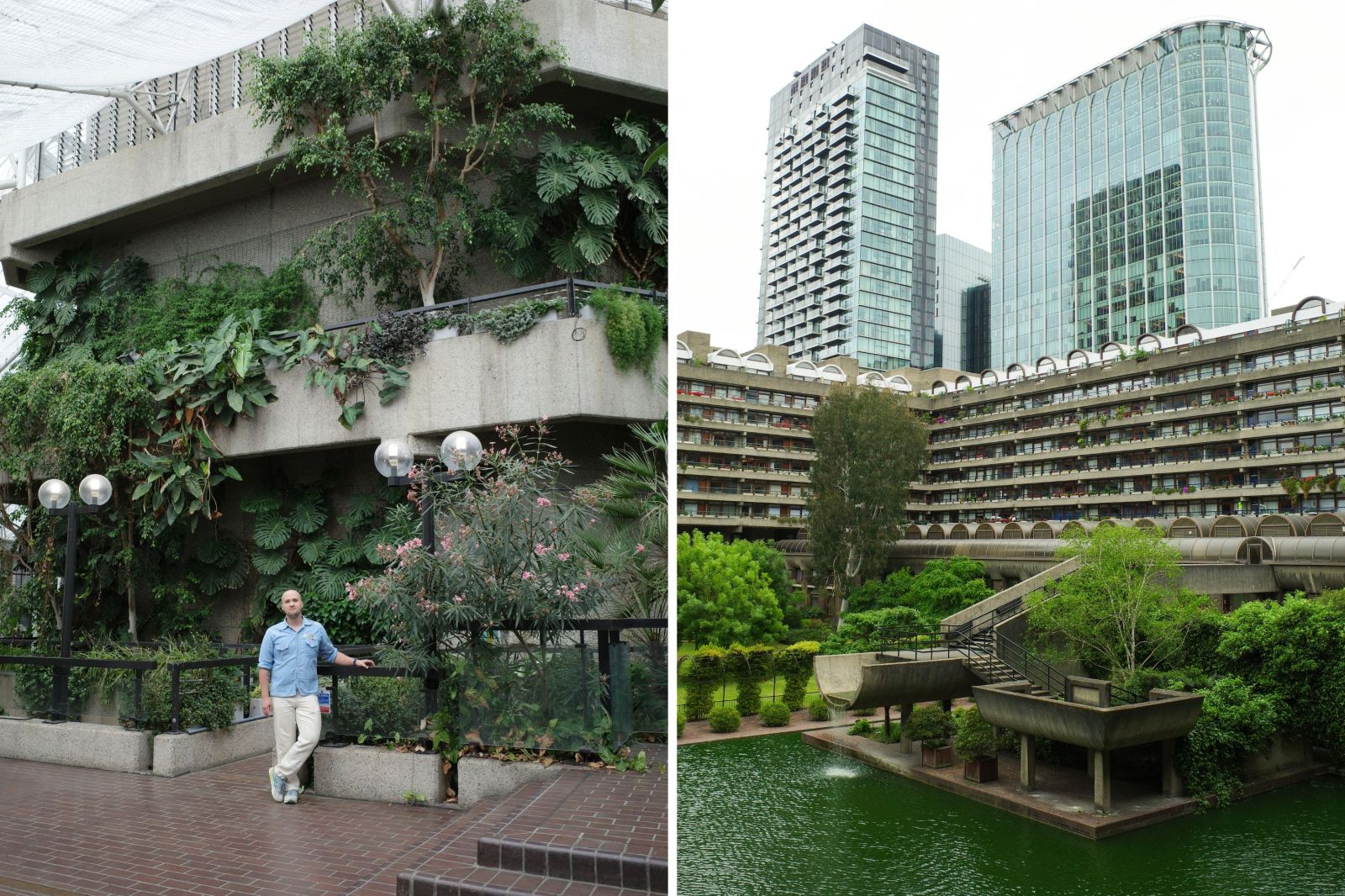
The Barbican in London is a prominent example of brutalist architecture, characterized by its sprawling concrete towers, cultural venues, and landscaped public areas. For millennial Luke Kaluzny, who moved there with his husband in mid-2025, this estate is not just an architectural icon but also a personal haven. Brutalist architecture, known for its rugged concrete and geometric forms, has been gaining renewed appreciation. Buildings once seen as harsh or outdated are now preserved and celebrated.
The shift in public perception is influenced by cultural interests, sustainability objectives, and a reevaluation of postwar designs. Younger generations are key to this revival, with social media and design trends reframing brutalism’s elements as authentic and relevant. Hannah Simonson, a senior planner at the firm Page & Turnbull, notes how social media brings new attention to brutalism, making it appealing to fresh audiences.
Kaluzny, who shares his life at the Barbican on Instagram (@interluke), lives in a south-side apartment designed by Chamberlin, Powell, and Bon, completed in 1982. His connection to the Barbican began with an interest in modernist housing and utopian urban design. Inspired by his research on Le Corbusier’s Unité d’Habitation, he visited the Barbican and was amazed by its scale, and it was during this trip that he met his future husband.
The couple, both 34, sought a home with architectural significance. After viewing several properties, they felt connected to their Barbican home.
What It’s Like Living at an Architectural Landmark
Kaluzny describes life at the Barbican as highly convenient. The estate offers diverse amenities like theaters, galleries, shops, cafés, and a library. Its car-free design, with underground parking, provides pedestrian-friendly spaces, reducing noise and pollution.
Residents enjoy private green areas accessible with a “magic key.” Kaluzny enjoys the “igloos,” sunken circular brick pods for quiet reading or socializing. While the design and amenities are crucial, Kaluzny values the community most. The Barbican hosts a diverse resident mix, from artists to lawyers, who choose to live here for its significance, creating a unique atmosphere driven by shared appreciation.
A Balance Between City and Serenity
Kaluzny’s love for the Barbican partly stems from his upbringing in a remote area of Washington state, close to the Canadian border—a place he describes as isolated. Dreaming of living near others, he found in the Barbican a balance of expansiveness and connection that he desired.
Built on land damaged during World War II, the Barbican reflects a vision of optimistic and experimental rebuilding. Its historical layers, like the Roman wall sections and the centuries-old St Giles-without-Cripplegate church, add a strong sense of continuity.
Do you have an architecture or design-related story to share? Let us know at [email protected], and your story might be featured by Newsweek.