Living the Dream: A Move from California to Hokkaido
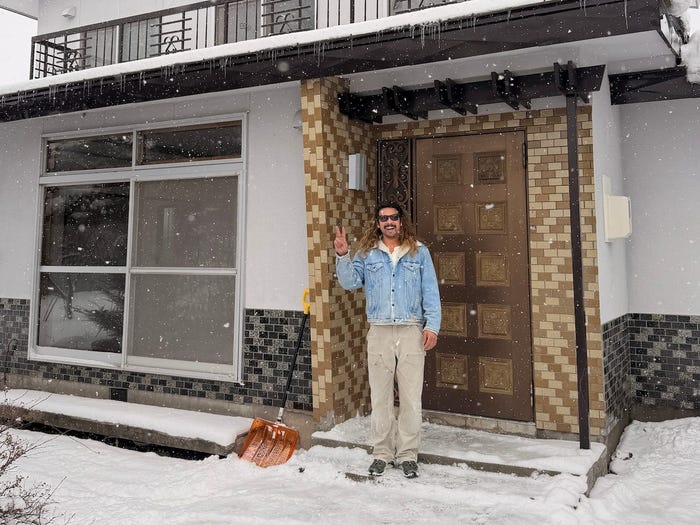
Keito Swan, a 37-year-old professional gambler, relocated from Modesto, California, to the countryside of Hokkaido, Japan. Born in Japan, he lived there until the age of seven before moving the around with his family due to his father’s Navy career. After spending most of his life in Seattle and several years in California, Keito annually visited Japan for snowboarding. Though he initially saw Japan as a vacation spot, his travels along the Pan-American Highway shifted his perspective.
Keito considered various relocation options. Argentina attracted him, but Japan offered familiarity due to his citizenship, language proficiency, and cultural knowledge. The decision centered on the cost of living and the quality of life, which he found unattainable in the U.S. despite his steady income.
In Hokkaido, Keito purchased a property for $115,000 and invested $65,000 into renovations. His home, set in Japan’s countryside, is encircled by rice fields and situated near ski resorts and a national park. The harsh winters, with temperatures plummeting to -30 Celsius and heavy snowfall, suit his love for winter sports and outdoor activities.
Comparing the financial aspects, Keito found living in Japan more affordable than in California. While his monthly rent near San Francisco was $3,200, his Japan living expenses, excluding winters, total just over $1,000. Utilities are nearly equivalent, but increase significantly during winters due to heating needs. Other expenses include $60 monthly for electricity, $35 for property taxes, and $30 for comprehensive health insurance.
Keito enjoys dining locally, with meals costing around 1,200 Yen, or $8. The quality of life and local amenities, such as a hardware store, convenience stores, and various eateries, align with his checklist of needs. The lifestyle he sought in Japan mirrors his activities in the U.S., minus the hefty price tag.
Keito acknowledges that while purchasing a home in Japan might not be for everyone, it made sense to him. Owning property in rural Japan can often be seen as a financial risk. The investment potential lies in land rather than buildings, with certain areas experiencing a decline in land value due to shrinking populations. Keito’s research led to an area with rising land values.
He cautions against buying a dilapidated house without the means to repair it, suggesting that money might yield better returns in the stock market. Keito’s unique position, with language skills, citizenship, and resources, enabled his successful transition. Japan, he believes, might not be the right fit for those seeking a version of the American dream without these advantages.