Long Waits for U.S. Employment-Based Immigration: Analysis and Projections
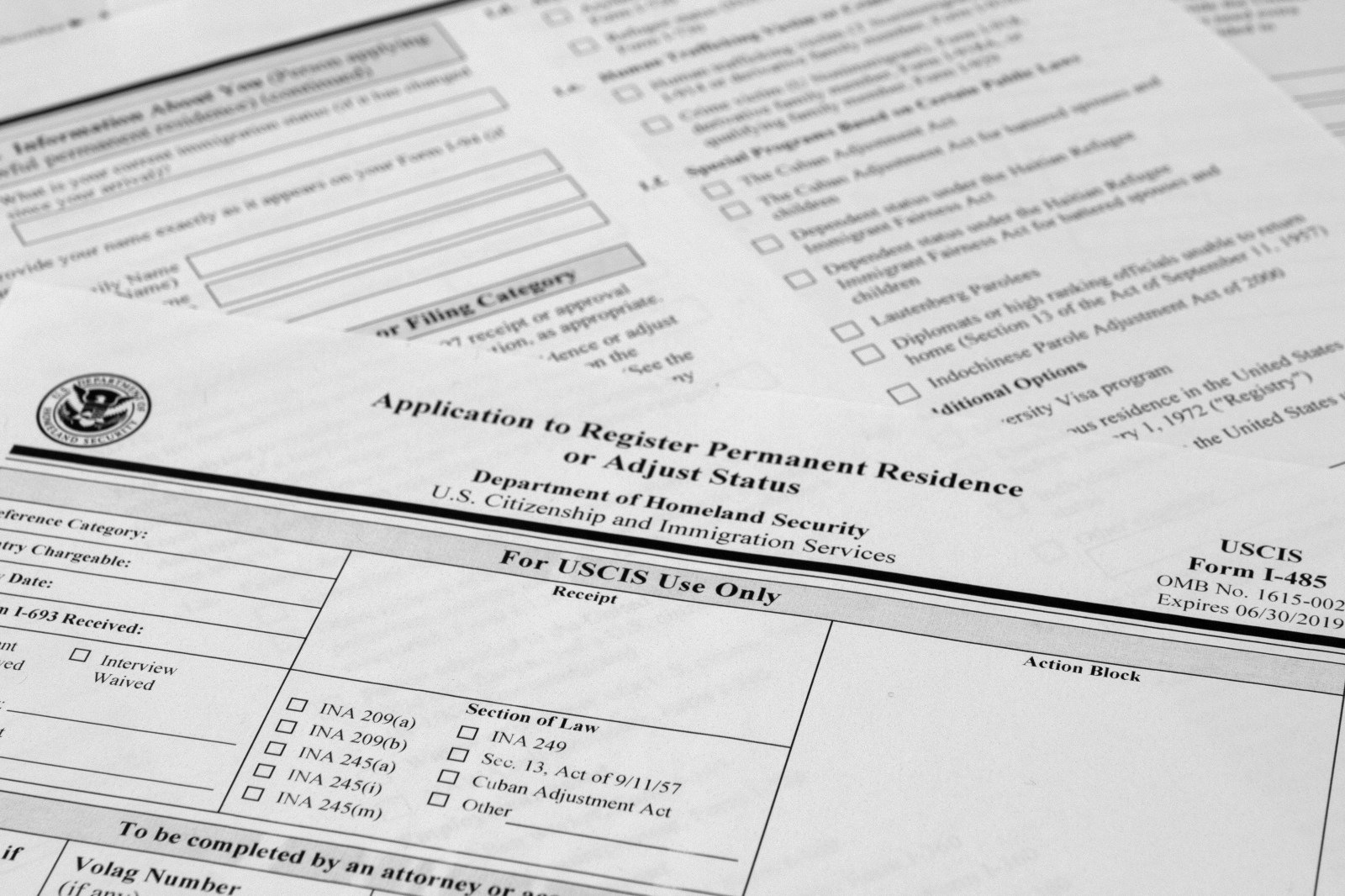
A comprehensive analysis of the U.S. employment-based immigration system forecasts significant delays faced by applicants for permanent residency. Published by the National Foundation for American Policy (NFAP), the report estimates protracted waiting times for many, particularly for professionals hailing from India due to backlogs and annual green card limits.
Employment-Based Visa Categories
The NFAP analysis delves into backlogs within the first, second, and third preference categories: EB-1, EB-2, and EB-3. The report suggests that highly skilled Indian workers, with applications filed post-January 2026, might contend with extensive waits. Estimated wait periods include 179 years for EB-2, 38 years for EB-3, and four to five years for EB-1 applicants from India.
Roots of Prolonged Waits
These delays arise from accumulated backlogs over time due to annual caps on immigrant visas, along with per-country visa allocation limits. The continued demand for foreign-born professionals remains strong, further straining the system.
“Indians entering the EB-2 or EB-3 queue in 2025 or 2026 could encounter waits stretching decades if legislative policies remain static.”
Impact of Immigration Policies
The report coincides with a tightening of immigration pathways under the Trump administration, marked by increased fee proposals and expanded vetting procedures impacting foreign workers. The government’s commitment to national security characterizes visa decisions as imperative for both acceptance and processing timelines.
A State Department spokesperson notes habitually meeting annual visa limits before a fiscal year concludes. Applicants and employers receive notifications via the official website when these limits are reached.
Report Findings
NFAP’s analysis projects the employment-based backlog across EB-1, EB-2, and EB-3 categories could reach 1.26 million by December 2025, marking a 20.6% increase compared to April 2020. India stands at the forefront, constituting 79% of this backlog, nearly 1 million Indian nationals await employment-based green cards.
Projections underline disparities based on applicants’ nationality and category, showing significant wait periods for Indian, Chinese, and Filipino nationals.
- Indian Nationals: EB-2 backlog estimated at 731,566 individuals; EB-3 at 213,414.
- Chinese Nationals: Yearly wait times projected at 5 for EB-1, 25 for EB-2, and 7 for EB-3.
- Filipino Nationals: No wait anticipated for EB-1; about 0.3 years for EB-2; six years for EB-3.
The NFAP clarifies that despite substantial backlogs and availability data, these estimates represent projections. Processing times are subject to variations based on individual priority dates, demand shifts, and legal amendments.
Contributing Factors
The report credits the backlog primarily to immigration law specifics: the annual limit of 140,000 employment-based green cards and the per-country cap restricting a country to 7% of immigrant visas yearly.
Differences arise as nationals of larger countries like India, China, and the Philippines compete against smaller nations for the same annual allocation. The escalating backlog results in part from fiscal year 2016, where more than 98,000 Indians were approved for EB-2 yet only 4,407 attained permanent residence.
Visa Bulletin and Recent Developments
For September 2026, the U.S. Visa Bulletin lists specific final action dates across categories. EB-1 shows dates ranging from October 2022 for India to current availability for the Philippines. Variances exist for EB-2, marking it unavailable for India but current for most other areas.
Recognizing the bulletin’s role as a notification tool, the State Department emphasizes the importance of collecting documents and scheduling interviews. Visa issuance rates have decreased for certain countries due to enhanced national security measures.
Between fiscal years 2020 and 2024, more than 280,000 extra employment-based green cards were issued due to unused family-sponsored visa numbers becoming available.
“Persistent backlogs are anticipated without legislative change, potentially extending waits for foreign professionals in various categories by years or decades, contingent on nationality.”