MAGA Rhetoric Drives Arab-Americans Towards Democrats
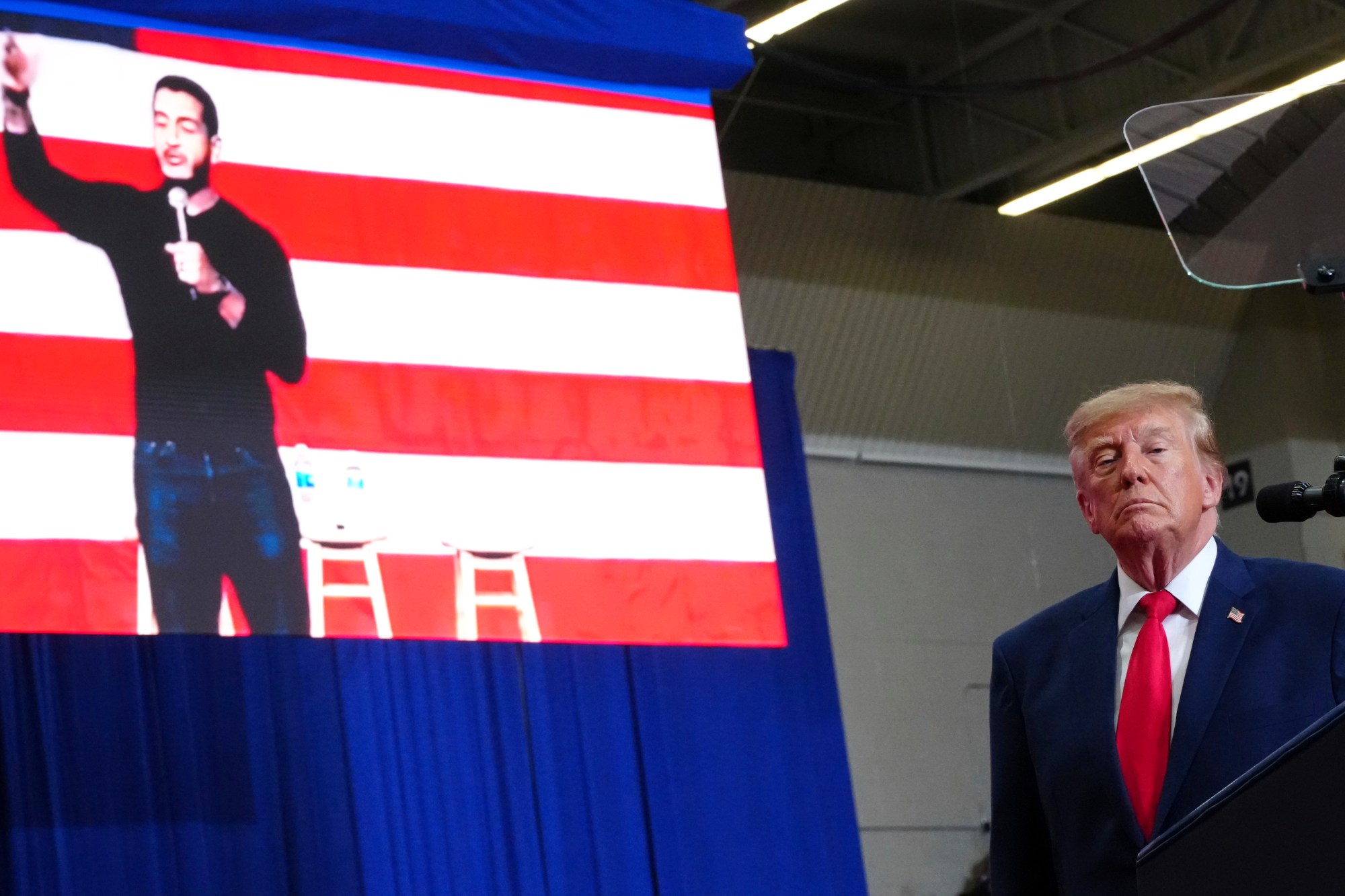
In the final weeks of the midterm election cycle, the campaign environment has been notably challenging. The Republican Party’s negative rhetoric, especially targeting Arab and Islamic communities, has reached concerning levels. Such rhetoric, led by MAGA officials, calls for moral reflection and condemnation.
A significant factor in this narrative is the political rise of Michigan’s Democratic Senate candidate, Abdul El-Sayed. His candidacy has triggered a wave of anti-Arab sentiment among Republicans, often fueled by xenophobic misunderstandings.
The Republican Party’s aggressive stance has alienated many previously supportive Arab-American voters. For instance, Health and Human Services Secretary Robert F. Kennedy Jr. made baseless remarks about Arab contributions to science and literature. His comments lacked awareness of contributions by figures like Syrian poet Adonis or Nobel-winning Jordanian chemist Dr. Omar Yaghi.
Former President Donald Trump has made similarly inflammatory remarks about Abdul El-Sayed, labeling him unfairly and prompting rebuke from his former allies, such as Bishara Bahbah. Bahbah emphasized that any religious-based attack is unacceptable, highlighting El-Sayed’s American roots.
This hostility extends beyond political figures. In different states, low percentages of Muslim populations do not prevent them from being targeted. Senator Tommy Tuberville from Alabama and Governor Greg Abbott from Texas have singled out these communities in recent public statements.
These actions have significantly influenced Arab-American political alignments. A Washington Post-Schar School poll shows a noticeable shift of Arab-American voters away from the Republican Party. The poll indicated that 60 percent of Arab Americans now view Trump as unfriendly to their community.
In Michigan, the large Arab-American voter base could have been crucial for Republican candidates, but instead, they faced derogatory rhetoric. This rejection alienates them further, steering them towards the Democratic Party, which is open to welcoming them.
Max Burns, a Democratic strategist, notes the strategic implications of this shift in voter alignment, seeing it as a consequence of the Republican Party’s exclusionary tactics.