Maine Senate Race: Collins and Jackson Face Off in First Debate
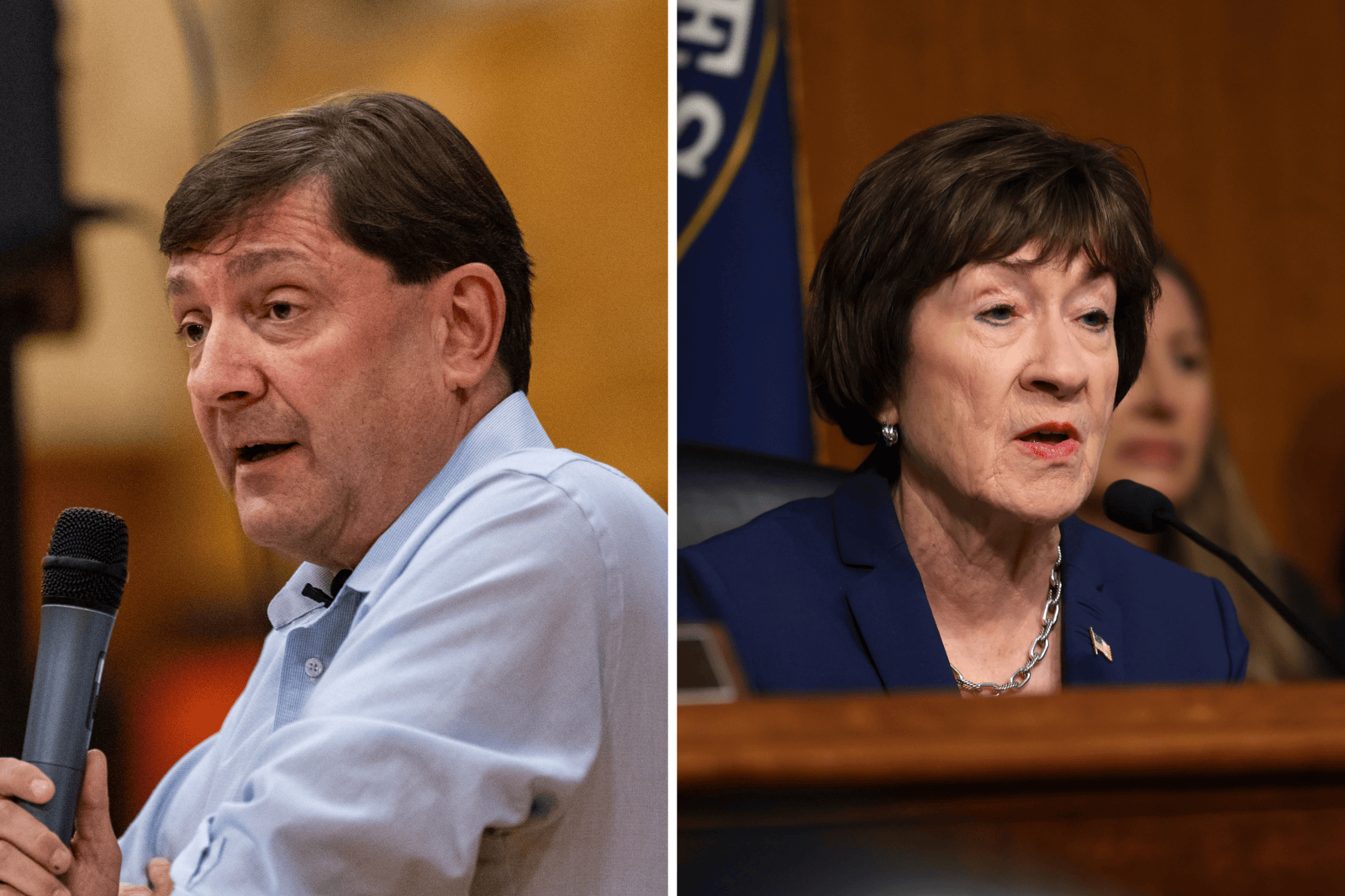
Republican Senator Susan Collins and her Democratic opponent Troy Jackson participated in a critical debate in Portland, Maine. This event was the first of four planned debates that could significantly influence the state’s Senate race.
During the debate, Collins defended her legislative efforts and highlighted her ability to work across party lines. Jackson, who joined the race in July, sought to establish links between Collins and President Donald Trump, pushing back against claims regarding his own political inexperience.
The Importance of the Maine Senate Race
In the context of the 2026 midterm elections, the Maine Senate race holds national significance. Although Democrats currently appear favored in Senate polls, the margin is narrow, especially compared to the House. Maine’s Senate seat remains competitive, alongside races in other key states like Ohio and Texas. Historically, Maine leans Democratic and opposed Trump in recent elections, yet Collins has maintained her seat since 1996 due to her moderate Republican stance and dedication to state issues.
The 2026 environment presents challenges for Republicans, given Trump’s low approval ratings. Although Collins has sought a measured distance from Trump, particularly on issues like tariffs with Canada, her political alignment with the president remains a focal point for critics.
Debate Highlights
The debate covered various topics, with a significant emphasis on Collins’s role as a moderate Republican. Jackson questioned her support for Trump’s policies, citing her vote for Justice Brett Kavanaugh’s confirmation to illustrate his point. He also connected Collins to unpopular issues like the Iran war and tariffs on Canada.
Collins countered by emphasizing her opposition to specific Trump policies and highlighted her role in protecting Maine’s economic interests. Notably, she discussed securing tariff exemptions for road salt from Canada, prompting the retort from Jackson: “We can’t eat road salt.”
Jackson’s campaign frequently references Collins’s alignment with Trump, claiming she votes in line with Trump 96% of the time. Collins disputes this figure, stating the actual number is closer to 70%, according to congressional records.
Debate Reactions
Opinions on who won the debate varied. Supporters of Jackson felt he put Collins on the defensive, especially with his critique of her past decisions and alignment with Trump. Meanwhile, Collins’s backers highlighted her extensive experience and ability to demonstrate political independence.
Democrat Mattie Daughtry remarked that Jackson dominated the debate, asserting Collins seemed to reveal vulnerabilities. Conversely, Republican commentators praised Collins for underscoring her longstanding service and bipartisanship.
Shifts in prediction markets post-debate indicate a slight narrowing in Jackson’s lead, and his chances improved marginally on platforms like Kalshi.
Do Debates Influence Outcomes?
The tight race and undecided voters add pressure for both candidates ahead of the debates. Recent polls suggest the race is evenly matched, with a notable portion of the electorate remaining undecided.
Jackson’s campaign has faced challenges, including a visibility issue attributed to his late entry into the race after Graham Platner’s withdrawal. Some voters remain unfamiliar with Jackson, which could affect their decisions.
Academics like Andrew E. Smith suggest debates might not be decisive unless a major blunder occurs. However, political figures like Phil Harriman believe debates could sway undecided voters who seek the candidate best equipped to represent Maine.