Manchester United’s Return to the Champions League: A Historic and Financial Necessity
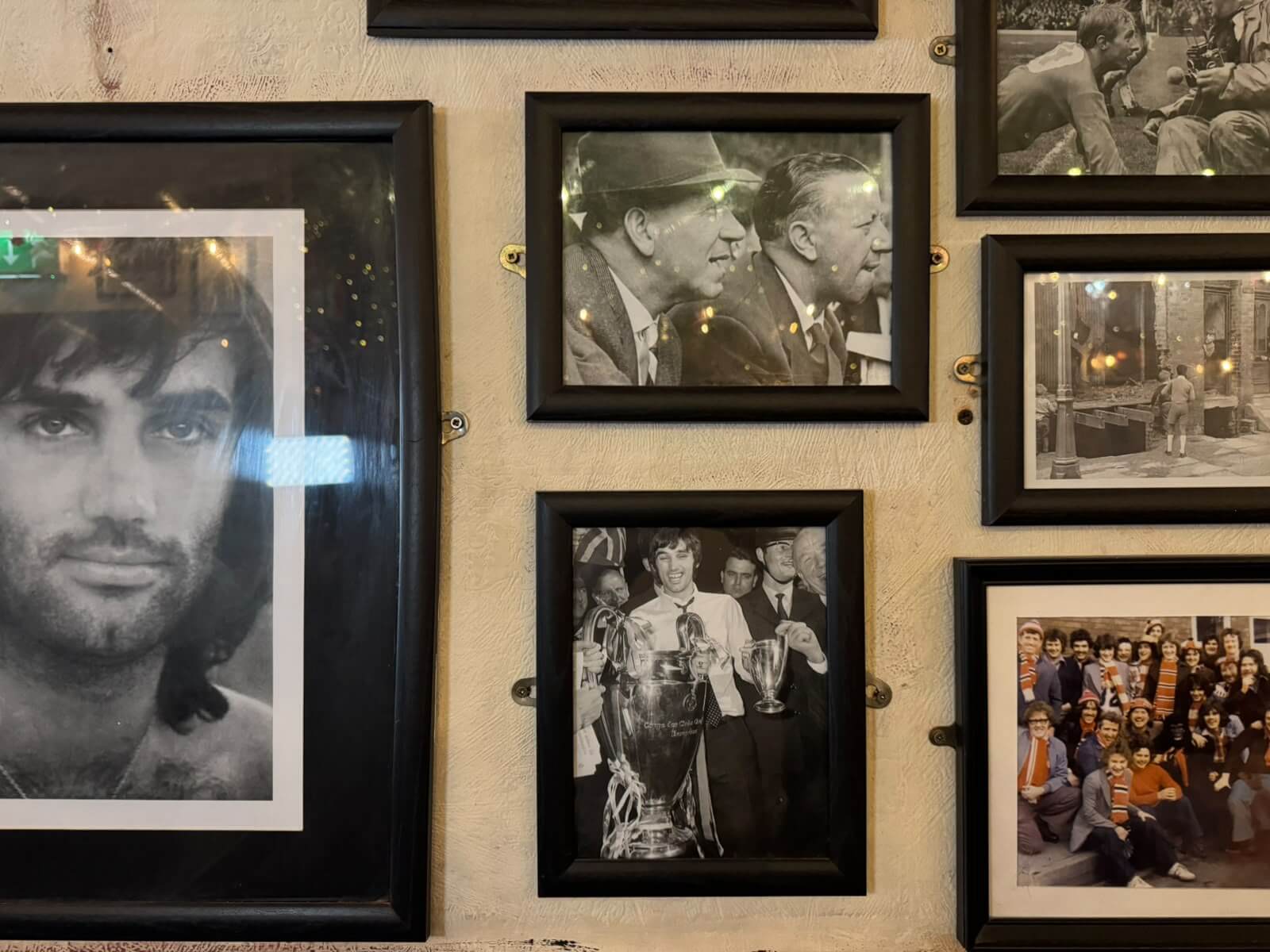
Walking into the Old Nag’s Head in Manchester, visitors encounter a visual journey through Manchester United’s storied past. The walls showcase the club’s significant European history. Iconic images include George Best with the 1968 European Cup, Sir Matt Busby alongside Best, and a somber snowy scene from Munich post-1958 air disaster. There’s also a vibrant photo of a jubilant Nobby Stiles with teammate Paddy Crerand celebrating in 1968. Modern images also decorate the pub.
This Thursday, the pub anticipates a full house. Manchester United, after a three-year absence, welcomes the Champions League back to Old Trafford with Sabah FK as the visitors, marking a first for an Azerbaijani team against United.
Manchester United’s European Comeback
United and its fan base are eager for this return. The club’s participation in Europe’s premier competition brings prestige and financial benefits. Historically, the club aimed for the Champions League’s last eight annually. Financial gains are significant, with prize money set at £1.8 million per league-phase win. Even in defeat, United’s Champions League earnings will surpass their previous Europa League final run. Estimates suggest a minimum of £45 million in earnings, potentially reaching £129 million with a tournament victory.
The Champions League’s financial impact reflects in commercial deals too. Rejoining this elite competition ensures United’s revenue from their Adidas partnership will regain its strength, aiming for £90 million by 2026-27.
Impacts Beyond The Field
Aside from the club’s finances, Manchester’s local economy benefits from United’s success. More games mean increased business for hotels, pubs, taxis, and more. Last season, the club hosted only 20 home games, but this year could see up to 30.
European Adventures Await
United fans are thrilled about European away games, with trips to cities like Lisbon and Madrid on the horizon. UEFA’s introduction of ticket-price caps helps traveling fans, previously burdened by high costs from Spanish clubs.
Historical Context and Legacy
Manchester United’s European journey began with groundbreaking participation in the 1950s, despite opposition from the English Football League. United’s European debut in 1956 resulted in a 10-0 victory against Anderlecht, with matches held at Maine Road due to Old Trafford’s lack of floodlights at the time.
In 1958, disaster struck with the Munich air crash, a tragedy that interrupted their European pursuits. The team only returned to those heights a decade later, winning the European Cup in 1968 at Wembley. This victory, along with wins in 1999 and 2008, cemented United’s place in European football history.
The Importance of European Football
The club’s return to the Champions League is a sentiment echoed by Michael Carrick, emphasizing the importance of competing against Europe’s elite. Despite recent absences, United aims to maintain their standard of excellence. This competition holds not just financial, but historical significance.
While Manchester United’s historical achievements are legendary, their absence in recent years has been felt. United stands for a rich European legacy, one of triumph and tragedy. Hosting an Azerbaijani team adds to this narrative, though it’s uncertain if this match will reach the walls of the Old Nag’s Head.