Man’s Battle with Leukemia Highlights Clinical Trial Success
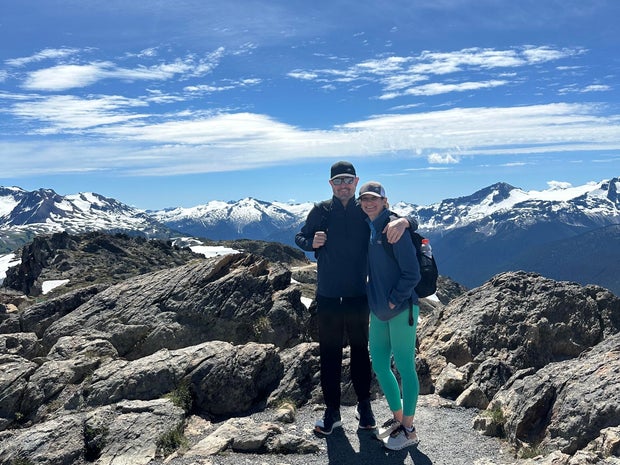
Ryan Goepel didn’t always manage his gout as effectively as he should have. This condition, influenced by diet and lifestyle, often led to flare-ups. When his knee began aching during a trip in September 2024, he assumed it was one of those flare-ups. However, when the pain persisted, he visited his doctor. She prescribed medication and conducted blood tests.
Two days later, the doctor informed Goepel that he needed immediate hospitalization due to a severely compromised immune system. At the sports medicine hospital, further tests revealed he had leukemia, and his condition had reached a critical state.
“My knee hurts,” Goepel told the oncologist who appeared. She replied, “Actually, you have leukemia.”
Doctors initially considered hospice care as his organs risked failure. But Goepel’s girlfriend sought a second opinion. He transferred to the Sylvester Comprehensive Cancer Center in Miami, where a biopsy confirmed he had acute myeloid leukemia (AML), a severe blood cancer. With a genetic profile indicating adverse-risk, standard chemotherapy might not have worked and could have worsened his health.
Finding Hope in a Clinical Trial
Despite the grim prognosis, Dr. Justin Watts found a clinical trial that offered hope. The trial tested if medications typically used for older AML patients would work for younger ones. Goepel’s specific genetic markers suggested he was a suitable candidate.
Upon joining the trial, Goepel received two medications: a daily pill for 28 days and an infusion during the first week. Within two weeks, his cancer went into remission, which he found astounding. The trial results were significant across the board. Of the 36 participants, 25 saw their cancer diminish or vanish, with 19 entering full remission. This marked a stark contrast to the typical 44% remission rate for standard treatments.
Post-trial Journey and Transplant
After the trial, Goepel needed a bone marrow transplant to rebuild his immune system. Test results showed that both of his sisters matched perfectly, and he underwent the transplant in November 2024. Although he faced some post-transplant complications, he recovered well. Tests affirmed the transplant’s success, and Goepel remained cancer-free for two years.
Reflecting on the journey, Goepel expressed gratitude for the timely intervention and support.
“Right place, right time, right people,” he said.
Embracing Life Afresh
Goepel continues regular check-ups to monitor his recovery. He married his girlfriend in November 2025 and resumed traveling. While he occasionally worries about cancer’s return, he strives to embrace and enjoy life.
Further research continues to explore treatment options for adverse-risk AML. Dr. Watts remains optimistic about the potential to alter standard treatment approaches based on these trial findings.