McDonald’s Faces Lawsuit Over McRib Misrepresentation
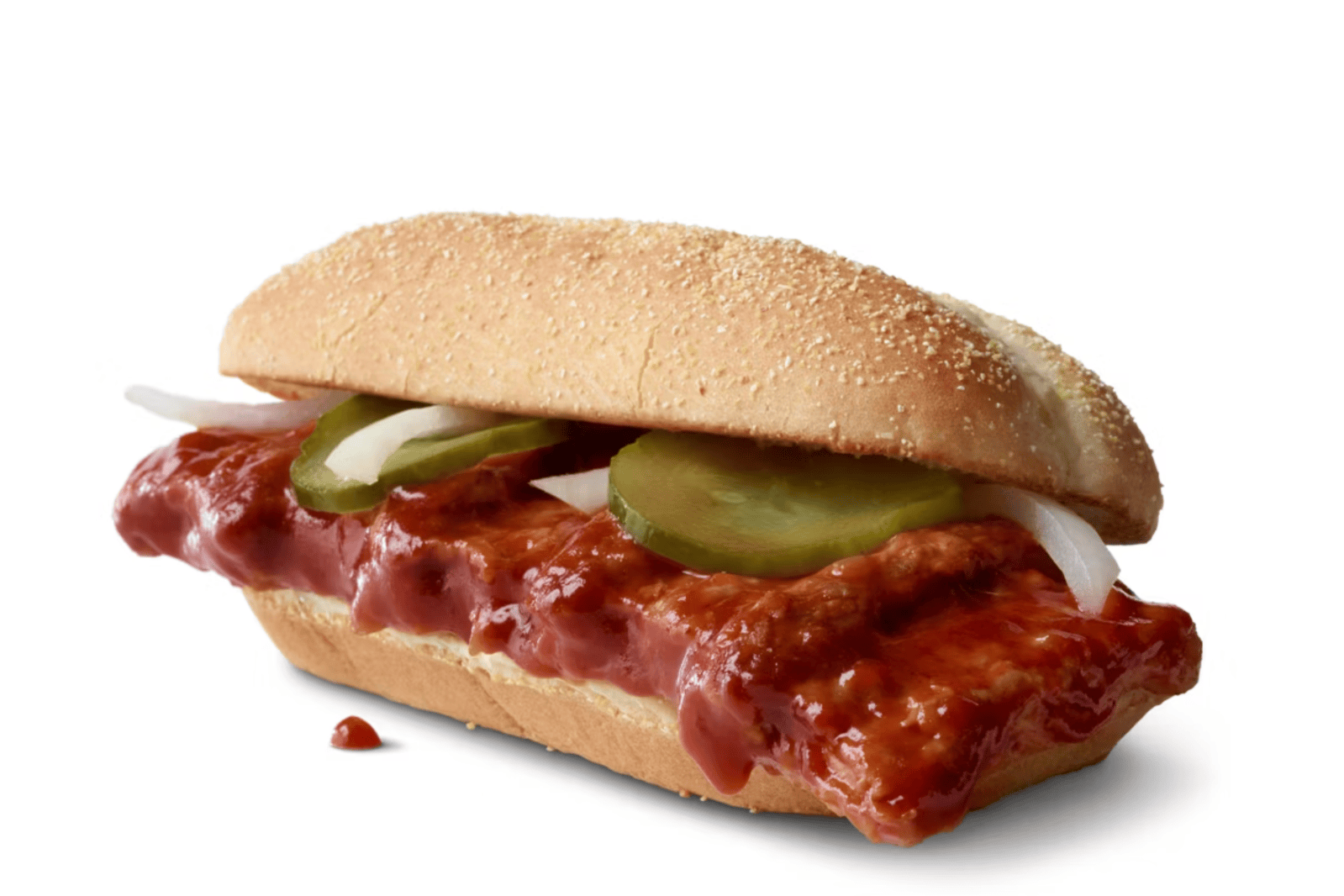
A federal judge ruled that McDonald’s must face a class-action lawsuit. The lawsuit alleges that the name, appearance, and marketing of the McRib sandwich mislead customers into believing it contains pork rib meat. The McRib joins a list of McDonald’s products involved in legal battles, which include Chicken McNuggets, french fries, and coffee.
Reasons Behind the McRib Lawsuit
Four customers filed the lawsuit against McDonald’s Corporation in December 2025. The case is in the U.S. District Court for the Northern District of Illinois. The plaintiffs argue that McRib patties are shaped to look like a rack of ribs but do not contain actual pork rib meat. According to the lawsuit, the patties use cheaper pork products like pork shoulder and other parts, leading customers to believe they are paying for higher-quality rib meat. McDonald’s ingredient list mentions pork, water, salt, dextrose, and rosemary extract but does not specify rib meat.
On October 30, U.S. District Judge April Perry allowed claims of consumer deception, fraud, and unjust enrichment to proceed. Perry mentioned that the plaintiffs’ understanding of McRib is not unreasonable. However, McDonald’s is not yet liable; the plaintiffs need to provide evidence supporting their claims.
This lawsuit distorts the facts and the claims are meritless. Food quality and safety are at the heart of everything we do – that’s why we’re committed to using real, quality ingredients across our entire menu,McDonald’s USA stated in response.
Other Notable McDonald’s Lawsuits
A separate lawsuit involves a Florida jury awarding $800,000 to a girl burned by a hot Chicken McNugget. Her parents sued McDonald’s and Upchurch Foods, leading to a verdict against Upchurch Foods for negligence. Although McDonald’s USA wasn’t found negligent, they failed to provide adequate warnings.
This nugget case parallels the well-known McDonald’s hot coffee case of 1992 when Stella Liebeck suffered burns from spilled coffee. A jury found McDonald’s liable, and the case concluded with a confidential settlement.
McDonald’s also faced legal challenges over the use of beef flavoring in french fries. Despite switching to vegetable oil in 1990, beef-derived flavoring remained during processing, misleading vegetarian and Hindu customers. The company settled this lawsuit for $10 million in 2002, enhancing its ingredient disclosures.
The McRib case is yet to reach a jury or a settlement stage. Current rulings only establish plausibility for the central allegations. Plaintiffs need to prove that McRib’s presentation misleads reasonable consumers.