Measles-Free Status Lost in the US: The Ongoing Vaccine Challenge
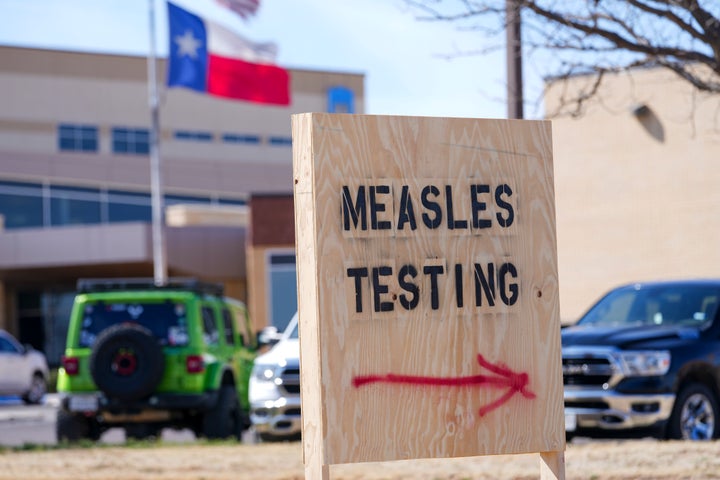
The United States has lost its measles-free designation, according to international health officials. This comes as the highly contagious virus, once primarily discussed in medical textbooks, has spread extensively, especially among unvaccinated populations. The virus’s spread is now the highest it has been in over 30 years. In addition to the US, Mexico and Bolivia have also lost their measles-elimination status, with significant outbreaks occurring in regions like Chihuahua state.
The announcement from the Pan American Health Organization serves as a symbolic reminder of the challenges in managing diseases that were once under control due to scientific advancements. Measles has been on the rise throughout the Americas since 2024. Initial outbreaks in North America began in close-knit Mennonite communities and expanded to areas with low vaccination rates. Canada, for the first time since 1998, also lost its measles-free status last year.
Health officials define measles as eliminated when the virus is no longer endemic among residents, which means no transmission has occurred for at least one year. This recent development highlights a decline in public health readiness. Vaccination rates are decreasing not only in the US but globally as well. Measles, being one of the most infectious diseases, exemplifies how vaccine-preventable diseases can reappear when vaccination coverage drops.
It can be the canary in the coal mine to other things,said Dr. Susan Kansagra, chief medical officer of the Association of State and Territorial Health Officials.
Falling Vaccine Rates and Rise in Cases
Vaccinations against measles have successfully prevented outbreaks in the US for 30 years. Experts note that a 95% vaccination rate is essential to prevent outbreaks. However, declining vaccine uptake and misinformation contributed to the virus gaining footholds in various communities. This year, almost every state has reported at least one confirmed measles case.
More than 7,000 measles cases and 11 deaths were recorded over the past two years in the US. Most of these involved unvaccinated individuals or those with undisclosed vaccination status. Hospitalizations were necessary for over 10% of those infected. Measles often starts with a high fever and a rash that begins on the face and neck. Although most recover, the disease can be fatal for young children and cause severe complications like blindness or brain swelling in both children and adults over 30.
This year has seen ten measles-associated deaths in the US, with five of those involving children. The US is facing its worst measles outbreak since 1991. Texas, Utah, South Carolina, and Pennsylvania have reported major outbreaks. Prior to 2025, the US logged fewer than 200 cases annually, mainly associated with international travel. Since then, measles cases have surged, beginning with a major outbreak in the southwest.
This year has seen over 5,400 confirmed cases, overwhelming the count from 2025. Pennsylvania has been particularly hard hit, contributing to a larger tally than before. Public health experts suggest that these numbers likely underestimate the true extent of the outbreak.
Criticism of U.S. Response
Some critics argue that the response from the US has been insufficient. U.S. Health Secretary Robert F. Kennedy Jr.—a noted figure in the anti-vaccine movement before his federal appointment—downplayed the current administration’s role in the deteriorating vaccination rates, attributing these issues to declining trends prior to his leadership. Other federal leaders argue that the situation in the US reflects a broader, global struggle with measles outbreaks.
The US Centers for Disease Control and Prevention allocated $100 million for state and local measles-response efforts in August and September. However, this funding is seen as inadequate by many state and local public health officials. There are calls for a more forceful federal stance and a stronger push for vaccination. Critics highlight a lack of timely communication from leading figures like Kennedy and CDC Director Dr. Erica Schwartz.
Experts like Noel Brewer, a public health professor, argue that a passive federal approach jeopardizes vaccination programs and raises concerns about public safety. The pressing question remains how many lives must be affected before stronger measures are taken to handle the visibility and threat measles currently poses.
Path Forward for North America
Following successful vaccination campaigns, the Americas became free of measles in 2016. From 2000 to 2023, the measles vaccine prevented an estimated 6.2 million deaths. Today, the US and other North American countries face the significant challenge of regaining measles-elimination status.
Some countries, like Brazil and the United Kingdom, have regained their status after losing it. Yet the uphill battle for North America persists, stressing the need for increased vaccination efforts and robust public health strategies.
The Associated Press Health and Science Department receives support from the Howard Hughes Medical Institute’s Department of Science Education and the Robert Wood Johnson Foundation.