Mental Health Diversion Leads to Dismissal of Charges in Attempted Murder Case
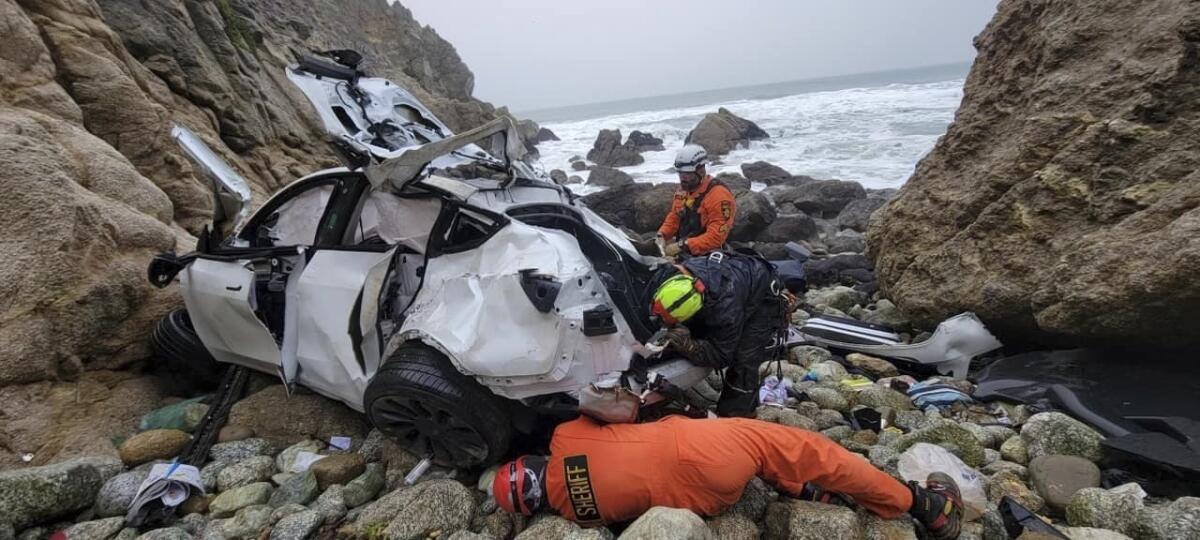
Dharmesh Patel, a well-regarded radiologist residing in Pasadena, faced a serious allegation in 2023. Prosecutors accused him of trying to kill his family by driving his Tesla off a 250-foot cliff in Northern California. His wife and two children were in the car. Psychologists later diagnosed Patel with major depressive disorder.
In 2024, Patel’s defense attorney persuaded a San Mateo County Superior Court to enroll him in a mental health diversion program. This move replaced the continuation of criminal charges. Recently, the court dismissed three attempted murder charges given his compliance with the program’s requirements. He spent this time living with his parents in Belmont.
The San Mateo County district attorney’s office reported the dismissal. District Attorney Stephen Wagstaffe expressed concern, believing the crime merited more severe consequences. He said, “We felt that the crime was way too serious.” The office opposed the case’s diversion due to public safety concerns.
Patel’s family remarkably survived the crash. Neha, Patel’s wife, informed paramedics that the act was intentional. Emergency responders were stunned by their survival, given the crash occurred at Devil’s Slide on Pacific Coast Highway.
The dismissal of charges followed Patel’s adherence to the diversion program. His requirements included psychiatric visits, family therapy, and court check-ins for updates. Wagstaffe noted that Patel’s compliance meant the prosecutor had no basis to object to the dismissal.
Patel remained in jail from the crash until he joined the diversion program in August 2024. Doctors testified that Patel experienced a psychotic break due to severe depression at the time of the crash. Patel was deeply worried about global issues and the safety of his children.
Before the incident, Patel worked at Providence Holy Cross Medical Center in Mission Hills. Following the crash, the California Medical Board blocked him from practicing medicine. In November, Patel agreed to surrender his medical license, acknowledging unprofessional conduct.
The board hasn’t commented on whether Patel might reapply for his license post-dismissal of charges. California’s mental health diversion began in 2018, intended for eligible defendants whose mental health issues influenced their offenses. It excludes severe crimes like murder and child sex abuse.
Opposition to diversion has increased, with critics citing cases of participants committing serious crimes afterward. Recently, Gov. Gavin Newsom signed Assembly Bill 46, enabling judges to deny diversion if defendants pose public risks.
Initially, AB 46 aimed to exclude attempted murder from diversion programs, but this provision was removed. Wagstaffe expressed disbelief that had the crash been fatal, Patel might be facing life imprisonment for murder. Instead, Patel completed therapy and returns home. “Wow, boy, did he get the break of breaks,” Wagstaffe remarked. “I hope he takes advantage of it.”
Report by Times staff writers James Queally and Noah Goldberg.