Michigan Senate Primary Attracts Heavy Spending and Controversy
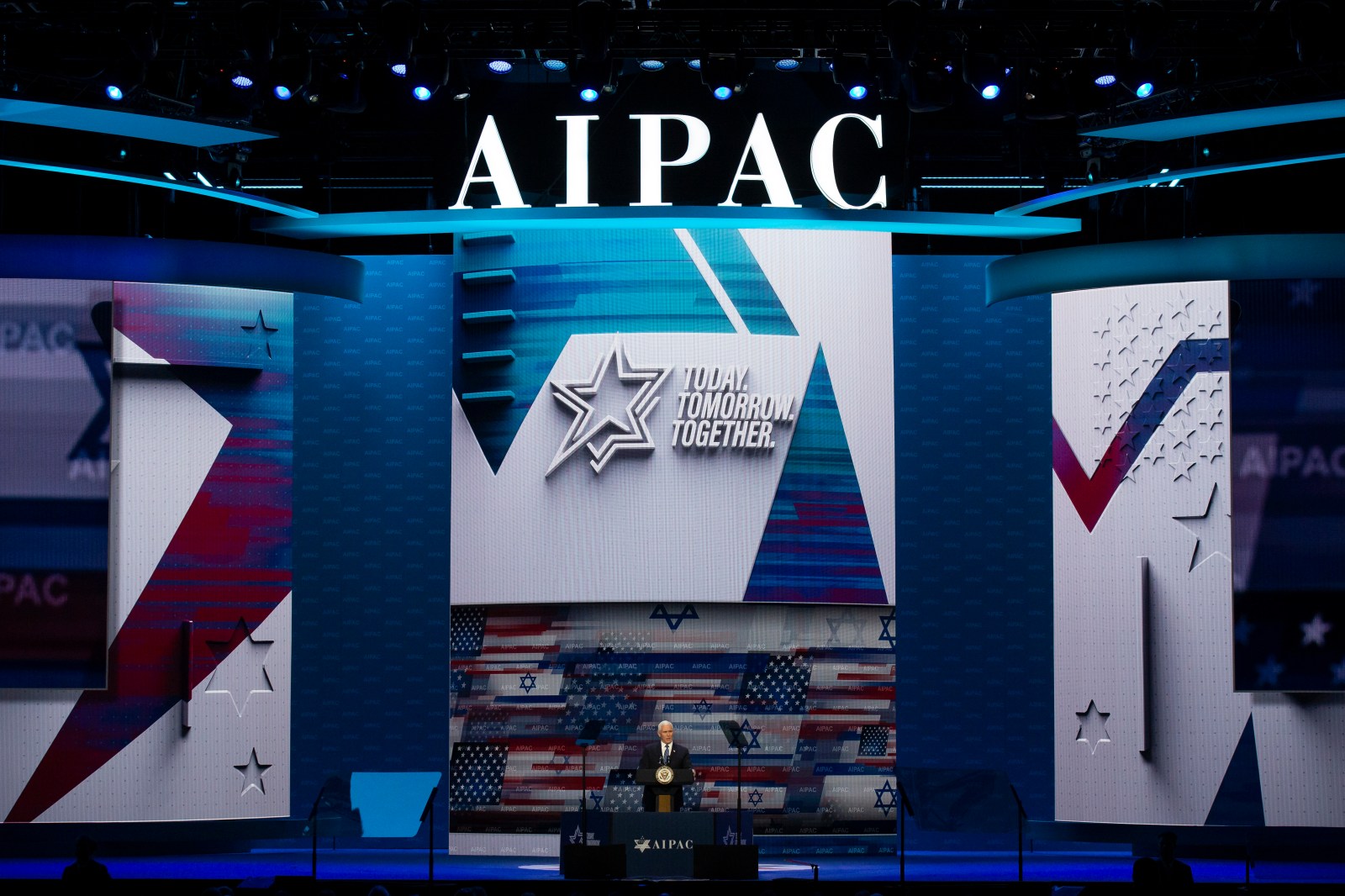
The Michigan Democratic Senate primary has experienced a surge of financial investment, particularly by the United Democracy Project, a super PAC affiliated with the American Israel Public Affairs Committee (AIPAC). This group has poured nearly $15 million into the race, largely in favor of Representative Haley Stevens. Over $9.3 million is directed towards backing her campaign, while around $5.7 million targets defeating her Democratic rival, Abdul El-Sayed.
The primary contest has heightened debates within the Democratic Party, focusing on the intersection of Israel policy and political spending. This comes as the Republicans view Michigan as a potential opportunity to capture a Democratic-held Senate seat, following Senator Gary Peters’ decision to retire.
Stevens has been vocal about her stance on Israel, recently criticizing Israeli Prime Minister Benjamin Netanyahu. She stated that Netanyahu has endangered Jews globally, a comment that spurred Netanyahu to accuse her of excusing antisemitism. This exchange highlights the growing tensions within the party and offers a glimpse into broader shifts in U.S. public opinion on Israel.
Michigan’s role as a battleground state remains significant, with former President Donald Trump winning it narrowly in 2024. The Democratic nominee will likely face Republican Mike Rogers in a competitive general election, rated highly by election forecasters.
Political Dynamics and Funding Controversies
Senator Bernie Sanders and others have been outspoken against the level of AIPAC-affiliated spending in support of Stevens. Sanders has endorsed El-Sayed, emphasizing the imbalance in campaign finances and rallying support for El-Sayed as a means of challenging funded influences on American elections and foreign policy.
El-Sayed’s campaign emphasizes reducing AIPAC’s influence, criticizing what he terms as an attempt to purchase a Senate seat. In contrast, Stevens counters these claims, asserting her independence and commitment to her constituents.
On the financial front, El-Sayed surpassed Stevens in fund-raising during the latest quarter, gathering $4.57 million compared to Stevens’ $2.1 million. Despite the financial disparity, Stevens closed the period with a stronger cash reserve of $3.4 million.
Positions on Israel and U.S. Aid
El-Sayed has called for an end to U.S. military aid to Israel, labeling its military actions in Gaza as genocide, a characterization Israel disputes. Meanwhile, Stevens continues to receive endorsements from pro-Israel groups, including the Democratic Majority for Israel PAC.
Public opinion within the Democratic base appears divided over the U.S. relationship with Israel. A poll by Detroit News/WDIV-TV found that 49 percent of Michigan’s Democratic primary voters view AIPAC unfavorably, with shifts in sentiment reflecting a broader national trend.
Further, national polling indicates a decrease in Democratic support for Israel, with many voicing increasing support for Palestinians. This change suggests potential impacts on the primary’s outcome and the general election.
Candidate Positioning and Voter Impact
The race narrows into a close contest between Stevens and El-Sayed, as state Senator Mallory McMorrow ends her campaign. Stevens maintains establishment support, while El-Sayed garners backing from progressives like Sanders and Ocasio-Cortez.
Polling in the primary indicates a competitive landscape, with recent surveys showing Stevens holding a slight lead over El-Sayed. However, both candidates have forecasts placing them in a tight contest against Rogers.
The upcoming primary remains crucial for determining the Democratic candidate for the Senate seat, amidst rising tensions over campaign financing and policy disagreements on Israel. Early voting starts July 25, leading to the decisive primary on August 4.