Michigan Wolverines Target Two Players in Transfer Portal
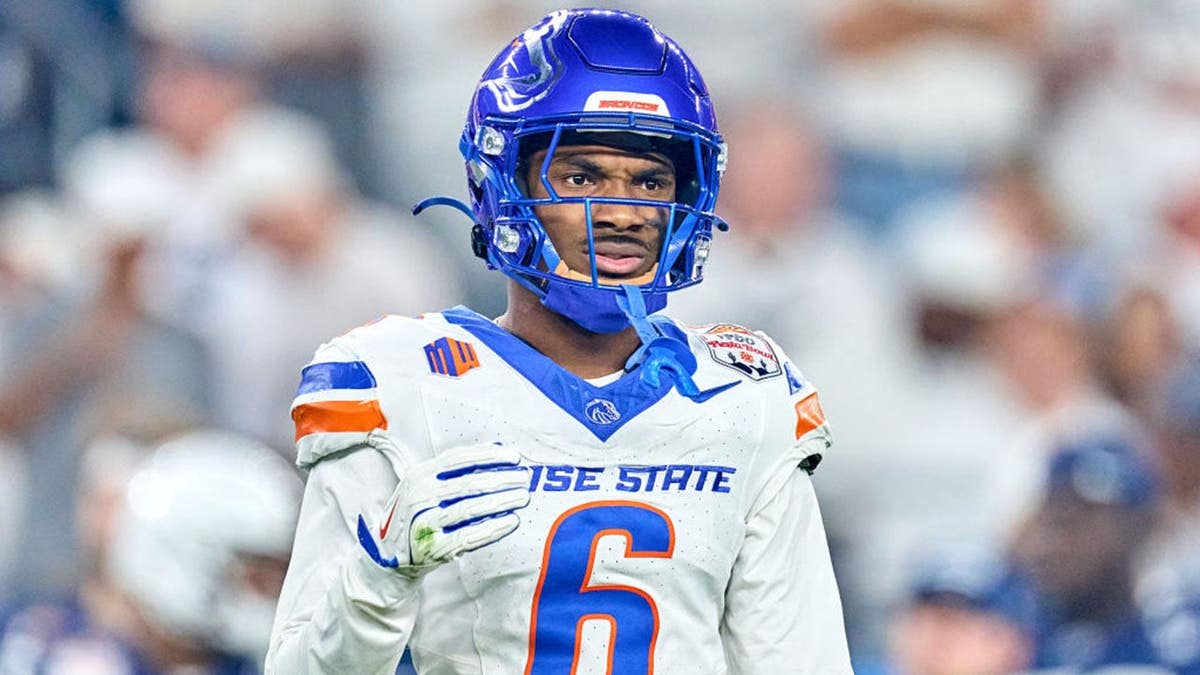
The Michigan Wolverines are on the verge of strengthening their football team through the transfer portal following a court ruling. This development could see two players, Alex Bauman, a former Miami Hurricanes tight end, and Jeremiah Earby, a former Boise State defensive back, join their roster this season.
A judge in Washtenaw County Circuit Court has issued a temporary restraining order allowing Bauman and Earby to play this year. Both players are reportedly enrolled at Michigan, after receiving the court’s approval to be rostered through the transfer portal.
The decision to grant these orders was made locally in the Ann Arbor area. This means Michigan is a step closer to adding these talented individuals to their lineup as they prepare to face Penn State.
For Bauman and Earby, the road back to college football hinges on not having signed with NFL teams. Earby, who recorded 60 tackles last season with Boise State, missed out on an NFL opportunity, prompting him to file a lawsuit for an extra college season. Bauman, an impactful Miami Hurricanes player, started his college career at Tulane, later gaining national attention.
The backdrop of these events involves the NCAA implementing new eligibility guidelines. These rules limited the years players could compete, leading to lawsuits from athletes like those from the 2022 class. The NCAA’s struggle to manage these lawsuits is evident in the increasing number of court cases granting players additional eligibility years.
Currently, Michigan has not finalized the signing of Earby and Bauman. However, the likelihood of them joining the Wolverines remains as discussions progress. Schools facing similar court orders, such as LSU, are also navigating these complex waters, determining which athletes to officially roster.
The ongoing legal challenges could redefine college athletic rules. Schools and the NCAA aim to adapt to these precedents, questioning their long-term implications for college sports.