America Unites in Memory of Dale Earnhardt Amid Police Tweet Controversy
In a time when Americans often feel polarized, a moment of unity emerged as the nation remembered Dale Earnhardt and his legacy. He symbolized the country’s shared values, from the working-class roots to corporate achievements.
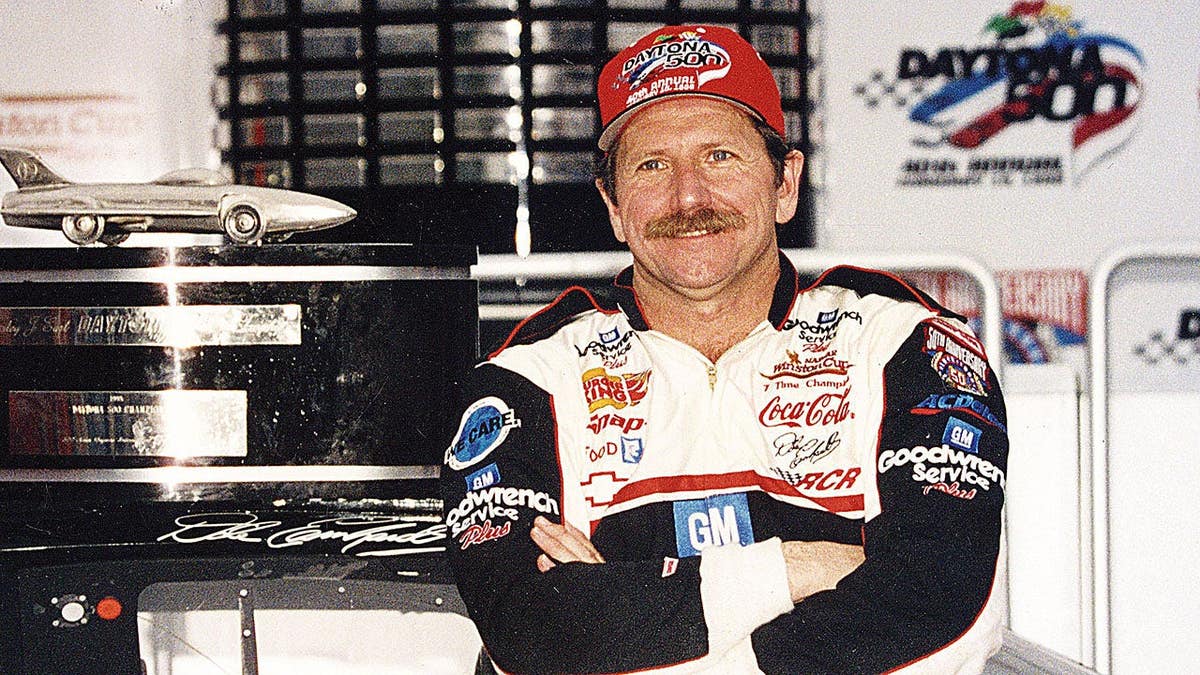
Dale Earnhardt, a legendary figure in motorsports, won the Daytona 500 on February 15, 1998, after 20 attempts. This victory coincided with NASCAR’s first race half a century ago, cementing his place in history.
Recently, the Greensboro Police Department faced backlash after tweeting that “‘Raise hell, Praise Dale,’ is not an appropriate response when we ask you why you were speeding.” This sparked a defensive response from fans, reminiscent of Dale’s fierce racing style.
Even Dale Earnhardt Jr. participated in defending his father’s memory, joining many others in pushing back against the police department’s comments. NASCAR also chimed in, urging fans to “leave the speeding for the race track.” However, this was not well-received by longtime fans who recall NASCAR’s bootlegging origins.
Fans reminded NASCAR of its history, noting that the sport was born from drivers adept at outrunning law enforcement while transporting moonshine. This nostalgic perspective highlights a contrast between the sport’s roots and its current corporate presence.
Americans conveyed to the Greensboro Police Department and others that their admiration for Dale Earnhardt remains steadfast. This sentiment is deeply embedded in the cultural fabric they have embraced over the years.
Joe Kinsey is the Senior Director of Content at OutKick.