Military Personnel’s Digital Footprint: A Hidden Threat
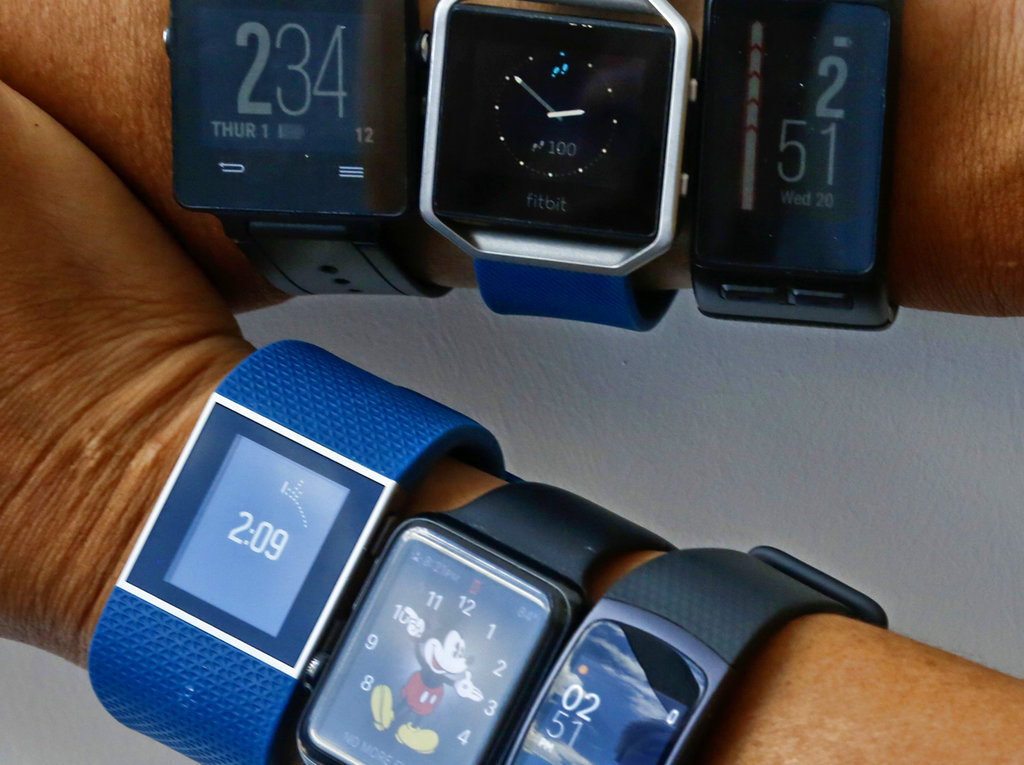
In recent developments, the Pentagon has instructed military personnel on sensitive bases and in conflict zones to avoid using fitness trackers and cellphone apps that could reveal their locations. This directive comes in response to the growing risk from GPS technologies that can disclose personnel locations.
In a situation somewhere in the Middle East, an American soldier contacts his family after his shift, unaware that an adversary’s intelligence agent is tracking him and his fellow soldiers. This tracking requires no drones or hacking; instead, the adversary purchases this data from digital marketing companies.
“This risk is not hypothetical. It has exposed American troops during active conflicts,” said a military official.
In April 2026, U.S. Central Command stated that commercial smartphone data was exploited to target American forces abroad. Iranian missile and drone attacks devastated U.S. installations in the Gulf, prompting military leaders to scatter troops into unsecured areas, all carrying location-revealing smartphones.
This concern led to a formal letter from Sen. Ron Wyden along with a bipartisan group, urging the Defense Department for action. Despite warnings over a decade, measures remain insufficient. In 2016, intelligence contractor Mike Yeagley demonstrated vulnerabilities by reconstructing sensitive information using commercially purchased data.
In prior incidents, the Strava fitness app publicly exposed military base layouts. Journalists have traced U.S. troops at German bases by acquiring commercial ad data, highlighting ongoing security lapses.
Some military efforts to mitigate these risks have been minimal. While advanced systems are developed, current measures insufficiently address the tracking threat that leverages unique device fingerprints from apps.
China, by contrast, enforces stringent data protection laws, restricting foreign cars and mandating local data storage. The U.S. lacks equivalent protections, leading to an imbalanced scenario where adversaries may gain better insights into U.S. troop movements.
Addressing this requires reducing the emissions from soldiers’ devices and ensuring commanders have visibility over data their units transmit. Congress, via upcoming National Defense Authorization Act amendments, has the chance to enforce improved digital security measures for military personnel.
Erik Prince, a former U.S. Navy SEAL and defense entrepreneur, stressed the need for swift legislative action to address this confirmed threat, suggesting that Congress should prioritize this in the current legislative session.