Mother’s Experience Sheds Light on Fetal Movement Concerns
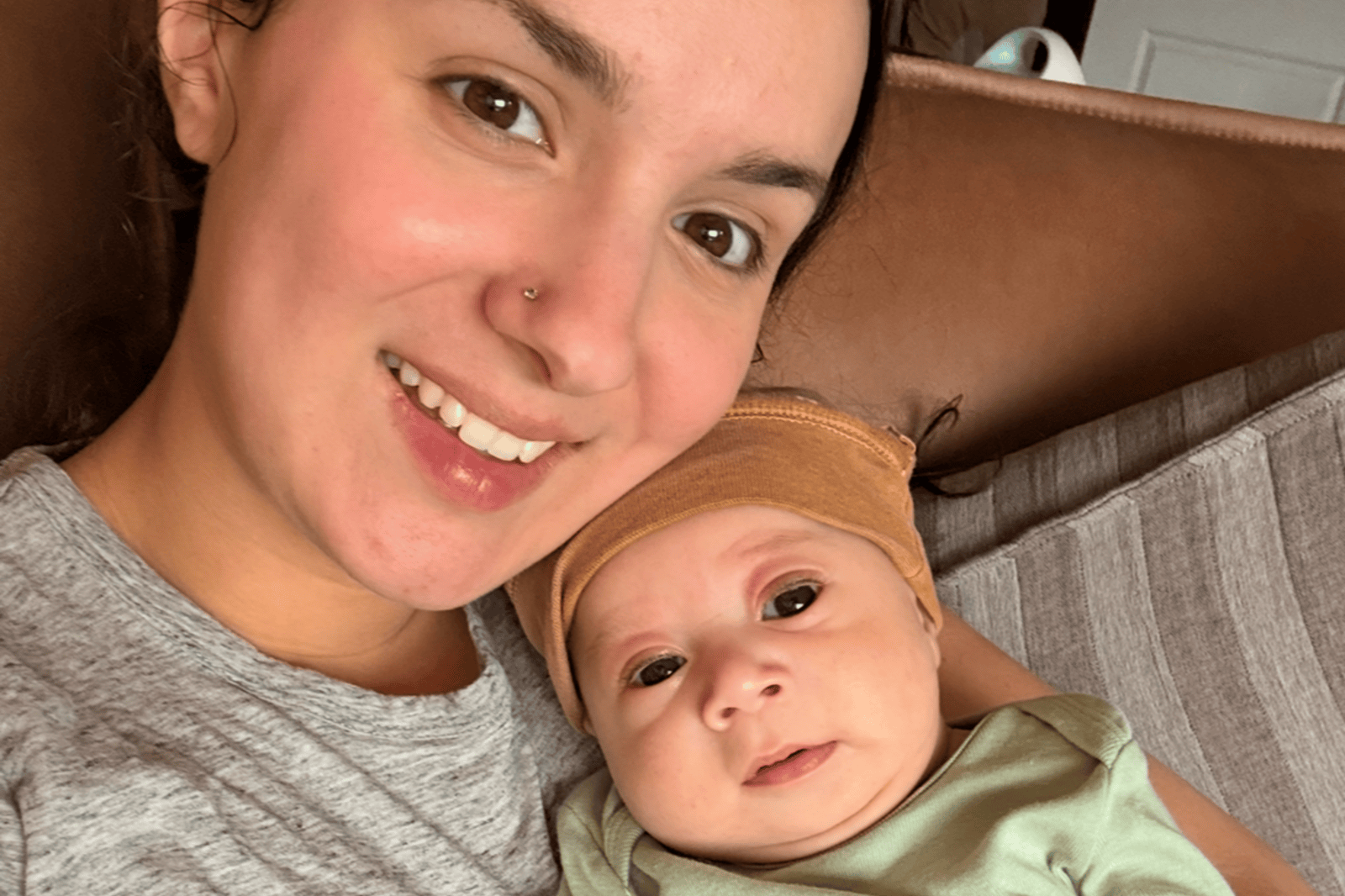
A mother from Schenectady, New York, Lauren Musso, faced an unsettling journey after the birth of her son. She sensed something was amiss with her newborn, stemming from concerns about decreased fetal movement noticed during pregnancy. Musso recalled how the changes in her baby’s kicks were dismissed, despite repeatedly raising them with her healthcare providers.
Musso experienced severe hyperemesis gravidarum throughout her pregnancy, often leading to hospitalizations due to extreme nausea and vomiting. Her intuition told her something rare was being overlooked, yet attempts to uncover the issue confronted resistance. Eventually, she pushed for an ultrasound, where findings indicated her baby, Avery, had prolonged periods of motionlessness. Although reassured by specialists of a ’99 percent’ chance of normalcy, her instincts persisted.
Dr. Jeffrey Chapa, maternal-fetal medicine expert, highlighted that reduced fetal movement is common and linked to various factors. However, it might signal issues with fetal well-being. Specialists can investigate persistent movement concerns, utilizing tools like ultrasound and MRI for comprehensive assessments.
Upon Avery’s birth, complications arose. He was admitted to the neonatal intensive care unit and manifested laryngomalacia, causing tissues near the voice box to collapse slightly during breathing, generating a squeaky sound. Despite initial improvements, he suffered unexplained weight gain issues and at times required hospital readmissions. Avery’s first cardiac arrest occurred days after his discharge, necessitating CPR. Further medical examinations diagnosed multifocytic encephalomalacia, revealing severe and irreversible brain damage.
Chapa emphasized the challenge in assessing whether early detection might alter outcomes. Several severe brain injuries stem from unidentifiable causes, posing obstacles to prevention or reversal. Specialized maternal-fetal medicine care can lead to earlier identification and potential interventions.
In Avery’s final weeks, seizure activity was finally documented after Musso had alerted medical staff about Avery’s unusual movements. He passed away peacefully after being surrounded by family love, leaving a profound impact. Musso expressed her profound loss but remained critical of perceived shortcomings in care.
Musso’s grief intensified when she discovered no autopsy had been performed, despite her consent. The family felt surrounded by preventable failures and broken trust. Avery’s brief life teaches the poignant lesson of unconditional love, enduring through profound challenges.
Musso urged medical professionals to respect parental concerns, recognizing hyperemesis gravidarum’s severity and fostering compassionate, patient-centered care. She advocated for addressing symptoms promptly to prevent feeling isolation in parental grief and honoring Avery’s story as a testament to enduring love and human connection.