Mounting Tensions Between the U.S. and Iran
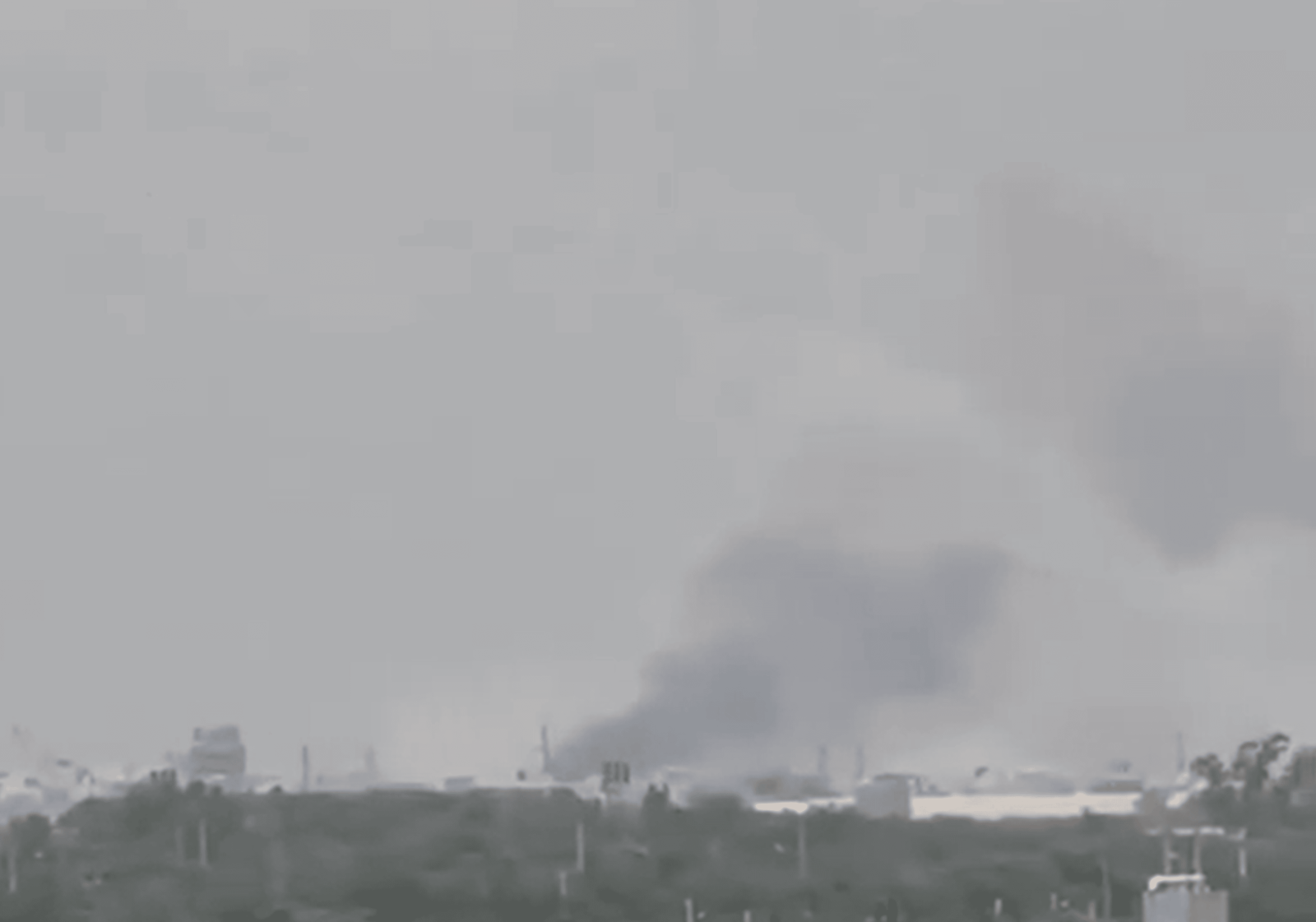
The United States initiated military strikes on Iranian sites, prompting Teheran to retaliate, stirring concerns about escalating tensions across the Middle East. The fragile truce between Washington and Tehran has been disrupted, leading to increased hostilities in the region.
Growing Conflict
Retired U.S. Vice Admiral Robert Murrett noted the conflict has reached a new phase, marking a significant point in recent days. The U.S. Central Command reported targeting Iranian coastal defense systems, missile and drone sites, and maritime capabilities. Iran acknowledged the strikes but did not provide damage assessments. The Strait of Hormuz emerges once again as a critical area of potential escalation.
Footage showcased explosions in Bushehr, Iran, on July 14, 2026. Bandar Abbas, a port city in southern Iran, also reported explosions. Iranian threats to retaliate against American sites in the region risk affecting Bahrain, Jordan, Kuwait, and Oman.
Regional Impacts
The Islamic Revolutionary Guard Corps (IRGC) of Iran targeted Bahrain, Jordan, and three tankers in the Strait of Hormuz. IRGC selected locations where significant U.S. casualties could be avoided, understanding certain boundaries exist. However, these limitations may not deter IRGC’s actions.
The United Arab Emirates flagged damage to two ships, Mombasa and Al Bahiyah, with reports of one death and eight injuries. The UAE and U.S. authorities were contacted for further comments.
Bahrain issued alerts urging residents to seek shelter after IRGC reported targeting key locations, including U.S. military and communication sites. Jordan intercepted four Iranian missiles, according to Associated Press reports.
The memorandum of understanding (MOU) signed on June 17 to reopen the Strait, closed by Iran and blockaded by the U.S., now stands violated. Iranian lawmakers urge Tehran to forsake the MOU and advocate continued retaliation for targeted leaders, calling for reviewing U.S. negotiations and affirming control over the Strait of Hormuz.
U.S. Response
President Donald Trump announced reinstating a blockade of Iranian ports, targeting Iranian military rather than civilian infrastructure, focusing on strategic points around the Strait of Hormuz. Trump emphasized targeting any Iranian infrastructure, including desalination plants, if conflicts persist, although this action would breach international law under the Geneva Conventions.
U.S. Central Command acknowledged continuing efforts to undermine Iranian military capacity, including air defense systems and coastal radars. The emphasis remains on disabling Iran’s ability to disrupt shipping in the crucial waterway.
Regional Dynamics
Meanwhile, the threat of conflict spreading to other regional actors like the Iranian-backed Houthis exists. Saudi Arabians accused the Houthis of launching attacks, violating a 2022 truce. Any attack on Saudi assets, including airports, indicates escalating involvement in regional conflicts.
Murrett highlights Saudi efforts to minimize Iran-related tensions. Nevertheless, recent developments suggest a potential shift in regional engagements. U.S. strike strategies target military infrastructures but underscore concerns about wider hostilities.