Naomi Osaka’s Journey to Grass Court Success and Fashion Expression
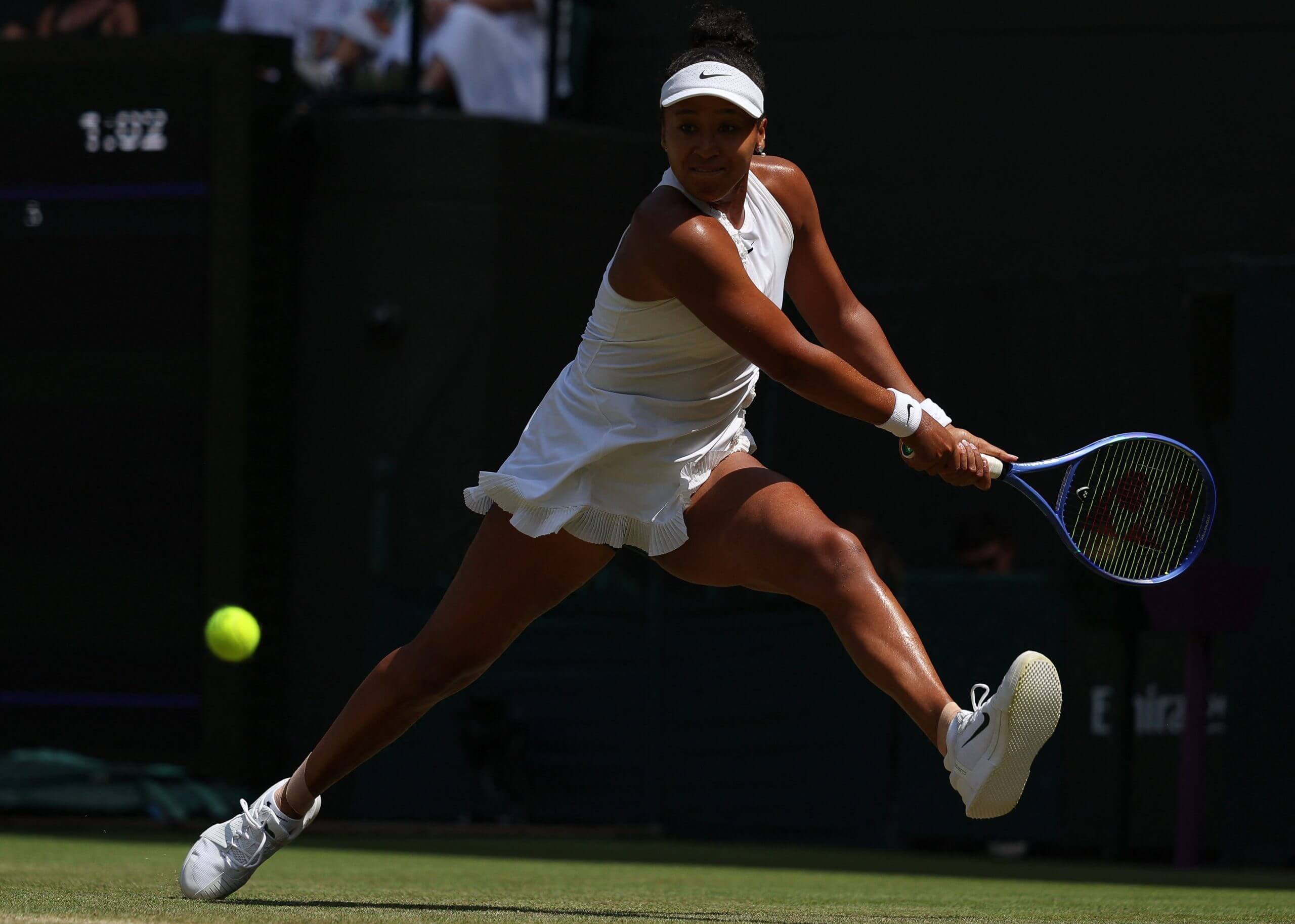
The All England Club, London has witnessed Naomi Osaka’s remarkable transformation. Naomi Osaka, the 28-year-old four-time Grand Slam champion, is making waves not only as a tennis player but also as a fashion icon on the court. This year at Wimbledon marks a significant milestone for Osaka as she steps into the second week of the tournament for the first time, having dominated her first three matches without losing a set.
Australian player Daria Kasatkina, whom Osaka faced in the third round, expressed surprise at the level of Osaka’s play, noting how Osaka’s style is well-suited to grass courts.
Her success is mirrored by a series of distinctive fashion choices during the Grand Slam events, each outfit a statement of self-expression. This year, her Wimbledon attire—a white ensemble inspired by Japanese ceremonial dress—features a kimono-style dress with cherry blossoms and cranes, designed with Hana Yagi. Earlier at the Australian Open, she sported a jellyfish-inspired ensemble by Robert Wun. At the French Open, her attire drew inspiration from the Eiffel Tower.
Osaka emphasizes how fashion allows her to communicate her individuality, a sentiment she reiterated after defeating Kasatkina, claiming she finds it easier to discuss her clothing than her tennis skills despite being an accomplished player for two decades.
Osaka’s affinity for self-expression through clothing complements her evolving relationship with tennis. Initially struggling to adapt to grass surfaces, her career faced hurdles post-Covid, and for years she had not found success on grass or clay courts. Her big serve and low-bouncing ball seemed at odds with the demanding footwork required on grass.
The turning point came after she gave birth to her daughter, Shai, and returned to the sport in January 2024. The game had evolved, emphasizing nuanced strategies and dynamic footwork. To adapt, Osaka and her coaches enlisted Simone Elliott, a former ballerina, to refine her balance and movement. Elliott’s expertise helped Osaka develop crucial shots and positional awareness.
Osaka’s renaissance in tennis involved overcoming movement limitations and gaining confidence. It wasn’t until her defeat at the D.C. Open last summer that she felt fully coordinated again, marking the start of her return to top-tier play.
This season showcases her progress, despite challenging matches against dominant players such as Aryna Sabalenka and Iga Świątek. Her willingness to modify her approach to grass, as guided by her coach Tomasz Wiktorowski, showcases her adaptability. Shifting her focus from trying to play grass courts as though they are hard courts, she embraces a more fluid style as she refines her game.
As Osaka takes on Sabalenka in the fourth round of Wimbledon, her journey reflects the blend of athletic prowess and style that defines her. She exemplifies how embracing change can foster both personal and professional growth.